
Anxiety in Children
4 Sept 2026 · 10 min read
On this page23 sections
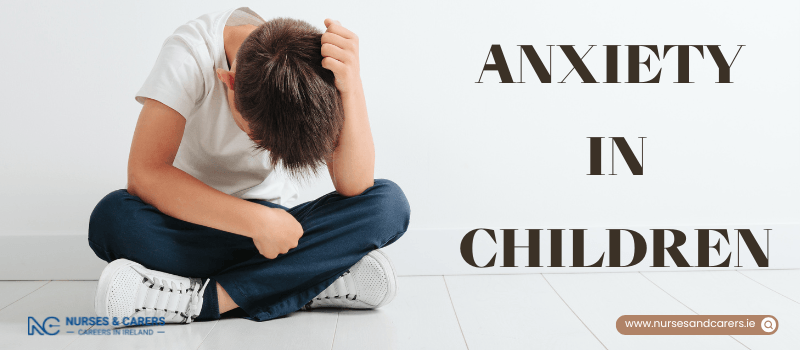
Anxiety in Children
It is entirely normal for children to experience temporary worries, such as when starting pre-school, moving to a new area, or transitioning into primary school.
Managing Childhood Anxiety
· A Natural Part of Growth: It is entirely normal for children to experience periods of worry or anxiety during transitional life events, such as starting pre-school, moving to a new area, or transitioning into primary school.
· Daily Disruption: For some children, however, anxiety escalates to affect their daily thoughts and behaviors, actively interfering with their school performance, home environment, and social life.
· Seeking Professional Support: When anxiety becomes a persistent, daily barrier that disrupts a child's normal development, it is a key indicator that professional intervention and support are required.
Identifying Signs of Anxiety in Children
Behavioral and Physical Clues: Because children often struggle to express their worries verbally, anxiety usually manifests through noticeable changes in their daily behaviors, sleep patterns, and physical health.
Age-Related Trends: Anxiety targets different milestones as children grow. Younger children commonly experience separation anxiety (fear of being away from parents), while older children and teenagers are more prone to social anxiety or intense stress related to schoolwork and peer relationships.
Behavioral and Emotional Warning Signs
Parents, guardians, and educators should look out for a combination of these emotional indicators:
Persistent Worry: Constantly worrying, overthinking, or experiencing a continuous loop of negative thoughts.
Cognitive Struggles: Finding it noticeably difficult to concentrate, focus on homework, or complete everyday tasks.
Heightened Irritability: Quickly becoming angry, highly irritable, or experiencing intense, seemingly out-of-control behavioral outbursts and meltdowns.
Emotional Clinginess: Frequently crying, appearing uncharacteristically tearful, or acting excessively clingy toward caregivers.
Physical Signs and Changes in Routine
Anxiety places physical stress on a child's body, which frequently results in the following changes:
Sleep Disruptions: Refusing to go to bed, struggling to fall asleep, or waking up frequently during the night due to bad dreams and nightmares.
Appetite Changes: Not eating properly, skipping meals, or experiencing a sudden shift in their normal eating patterns.
Somatic Complaints: Frequently complaining of unexplained tummy aches, headaches, or generally feeling unwell when no medical illness is present.
Restlessness and Tension: Appearing physically tense, constantly fidgety, or needing to use the toilet much more often than usual.
Practical Ways to Support an Anxious Child
· Active At-Home Support: If your child is struggling with feelings of anxiety, there are several practical, supportive actions you can take to help them feel secure and manage their emotions.
· The Power of Listening: The single most important action you can take is to listen to your child openly when they speak about their anxieties, fears, or worries.
· Validation Matters: Show your child that their feelings matter by validating them. Let them know directly that you understand exactly why they are feeling worried, rather than dismissing their fears.
· Building Resilience: Reassure them that while anxiety is uncomfortable, it is completely manageable. Teach them that there are highly effective tools and ways to handle their worries and gradually face the things they fear.
Do: Best Practices for Helping an Anxious Child
Listen Actively: Listen openly to their anxieties or worries without interrupting, dismissing them, or judging their feelings.
Validate Their Feelings: Tell them clearly that you understand why they are feeling worried, showing them that their emotions are valid and matter to you.
Offer Coping Hope: Reassure them that while fear is uncomfortable, there are highly effective ways to manage worry and safely deal with the things they fear.
Provide a Logical Plan: Instead of falsely promising something will never happen, say, "That is very unlikely to happen, but if it did, we would..." and calmly explain the practical steps you would take together to handle the situation.
Why Reassurance Isn't Always the Best Strategy
· Validating Your Child: Consistently practicing these supportive actions demonstrates to your child that their feelings genuinely matter and that they are safe opening up to you.
· The Reassurance Trap: Your natural parenting instinct may be to protect them by saying, "Don't worry, that will never happen." However, flat reassurance is often ineffective because most things children worry about are technically possible, even if they are highly unlikely.
· A Collaborative Approach: Instead of dismissing their fears, encourage a team approach by telling them that you can both learn more about anxiety together.
· Using Shared Resources: Proactively look at child-friendly self-help books and trusted online educational resources together to discover practical ways to defuse daily worries.
When to Contact Your GP About Child Anxiety
Professional Evaluation: While at-home support is highly effective for mild worries, certain signs indicate that your child needs a formal clinical assessment by a GP [HSE Childhood Anxiety].
Early Intervention: Seeking professional help early ensures your child can access child-centered therapies, preventing anxiety from severely impacting their developmental milestones or long-term mental health.
Contact Your GP if Your Child is Always Anxious and:
No Improvement: Their feelings of anxiety are not getting better over time, or they are steadily getting worse
Ineffective Self-Help: The at-home strategies, validating techniques, and self-help resources you have tried are not working to ease their distress
Daily Disruption: The anxiety is actively affecting their performance or behaviours at school, disrupting your family life, or interfering with their ability to build and maintain friendships
Professional Support Pathways for Child Anxiety
The Starting Point: An appointment with your GP is the most effective place to begin if you are seeking professional help for your child's anxiety
Appointment Options: You can choose to speak with the GP alone, attend the appointment with your child, or give your consent for your child to speak to the doctor privately if they feel more comfortable
Early Intervention: For early-stage or mild anxiety, utilizing self-help books and learning at-home management strategies can provide immediate relief before symptoms escalate
Specialized Mental Health Referrals in Ireland
Depending on the severity of your child's symptoms, a GP can refer them to targeted local health services:
Primary Care Psychology: For mild to moderate levels of anxiety, your child may be referred to the local HSE primary care psychology team for short-term, community-based support.
CAMHS (Child and Adolescent Mental Health Services): If early intervention has not worked, or if your child is experiencing severe, debilitating levels of anxiety, they can be referred to CAMHS for specialist multidisciplinary psychiatric care.
Youth-Specific Support Services
If your child or teenager is reluctant to see a medical doctor, alternative community resources are available:
Youth Counselling Services: They may be able to access confidential support through a local, community-based youth counselling service.
Jigsaw: Young people aged 12 to 25 can access free, dedicated mental health support from Jigsaw. Support is available online or in person through their network of local hubs across Ireland.
HSE Treatment Options for Childhood Anxiety Disorders
Tailored Care: The specific type of treatment your child is offered will depend directly on their age, their developmental stage, and the underlying cause of their anxiety.
HSE Services: All of the primary therapeutic options outlined below are provided publicly through the Health Service Executive (HSE) via appropriate referral pathways.
Talking Therapies
Psychological support is typically the first-line treatment for children and young people experiencing manageable anxiety:
Counselling: Provides a safe, confidential space where a therapist helps your child understand exactly what is making them anxious, allowing them to safely explore and work through challenging situations.
Cognitive Behavioural Therapy (CBT): A highly structured therapy that teaches your child to manage their problems by shifting toward more balanced, realistic thinking habits. It helps them identify, understand, and safely control unhelpful behavior patterns.
Medical Interventions
Anxiety Medications: Medical treatments may be considered if your child is experiencing severe, debilitating anxiety, or if standard talking therapies have not provided enough relief.
Specialist Prescription: To ensure safety, these specialized medications are strictly prescribed and monitored by child and adolescent psychiatrists within specialized services like CAMHS.
Understanding the Causes of Childhood Anxiety
A Combination of Factors: Childhood anxiety develops through a mix of genetic traits, learned behaviours, and stressful life events.
Co-occurring Conditions: Children who experience severe, long-term anxiety are at a higher risk of developing other mental health difficulties, with depression being the most common co-occurring condition.
Key Factors that Trigger Childhood Anxiety
Biological Vulnerability: Some children are naturally born more prone to anxiety and possess a lower biological tolerance for managing daily stress.
Learned Behaviours: Children frequently develop anxious thoughts and avoidant behaviours by copying the coping mechanisms of parents, guardians, or peers. Avoidant behaviours occurs when a child actively avoids or flees a situation that causes them distress.
The Avoidance Loop: A child's anxiety is often reinforced and prolonged through a specific cycle:
The child successfully avoids a stressful situation (such as missing a school presentation).
They experience an immediate wave of emotional relief from escaping the stress.
This relief rewards the brain, making the child much more likely to avoid that same situation in the future.
Stressful and Traumatic Life Events: Experiencing sudden or chronic disruption can trigger persistent anxiety in a child, including:
Environmental Changes: Moving house or switching schools frequently.
Family Instability: Living in a home environment where parents fight or argue regularly.
Grief and Loss: Experiencing the death of a close relative, friend, or pet.
Health Shocks: Becoming seriously ill, facing chronic medical issues, or suffering a severe injury.
Academic and Peer Pressures: Facing persistent difficulties at school, such as exam stress or bullying.
Trauma: Experiencing any form of physical, emotional, or psychological abuse or neglect.
Practical Advice for Parents Supporting an Anxious Child
The Power of Connection: If you are concerned that your child or teenager is experiencing anxiety, your day-to-day interactions can provide vital emotional safety and build their resilience [HSE Childhood Anxiety].
Modeling Habits: Children are highly perceptive and frequently mirror the coping mechanisms of adults. Prioritizing your own mental health is a fundamental step in supporting your child's well-being [HSE Childhood Anxiety].
How to Communicate and Listen Effectively
When a young person experiences intense emotions, how you respond can significantly reduce their distress:
Listen Respectfully: If they open up about their fears, listen carefully and respectfully without interrupting, judging, or dismissing their feelings [HSE Childhood Anxiety].
Acknowledge and Accept: Accept their fears as real to them; ignoring or trivializing their worries can cause them to withdraw [HSE Childhood Anxiety].
Trace the Source: Help them gently trace the emotion back to where it began. Pinpointing the root cause can make overwhelming feelings feel far more manageable.
Show Active Concern: When they express strong emotions like anger or fear, ask them about what they are experiencing and show authentic care for their internal world.
Collaborative Problem-Solving
Helping your child manage a problem does not mean solving it for them; instead, guide them to develop their own coping tools:
Deconstruct Challenges: Teach them to break down a large, overwhelming problem into smaller, bite-sized pieces.
Brainstorm Solutions: Guide them to explore various possible solutions and let them decide which option they would like to try first.
Reinforce Past Success: Boost their confidence by reminding them of specific times in the past when they handled a difficult problem successfully.
Counter Self-Criticism: Young people easily get trapped in loops of negative thinking and intense self-criticism. Actively help them redirect their focus toward their positive qualities and strengths.
Leading by Example
Stay Calm: Maintaining a calm, steady presence helps soothe a child's heightened nervous system.
Manage Your Own Stress: If you frequently exhibit signs of unmanaged anxiety, your child is likely to pick up on it, which can elevate their baseline stress. Lead by example by looking after your own mental health.
Disclaimer
The information provided here is for educational and informational purposes only. It does not constitute medical advice, diagnosis, or treatment. Always consult a qualified healthcare professional or your GP for specific medical concerns, diagnoses, or health advice. Never disregard professional medical advice or delay seeking it because of information you have read here.