
Aortic Dissection
4 Sept 2026 · 4 min read
On this page6 sections
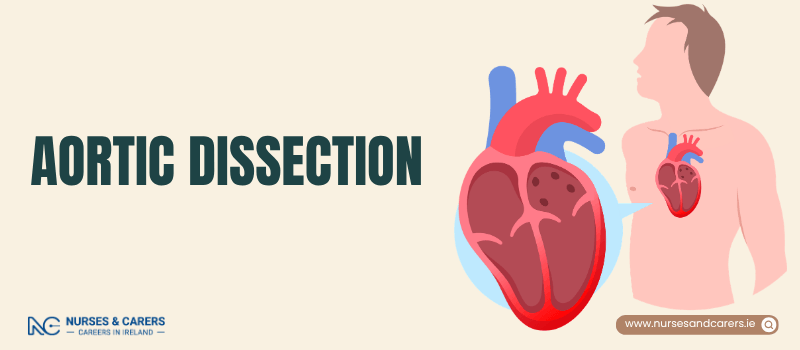
An Aortic Dissection is a severe, life-threatening condition where a tear develops in the inner layer of the aorta—the body's primary and largest blood vessel
The Internal Process: When this tear occurs, high-pressure blood surges through the opening. This forces the inner and middle layers of the aortic wall to separate (dissect), creating a secondary, false channel for blood flow.
Rarity and Urgency: While an aortic dissection is relatively rare, it is a critical medical emergency that requires immediate, life-saving treatment.
Widespread Complications and Risks
The structural damage caused by a dissection severely compromises the circulatory system:
· Risk of Rupture: The tearing process significantly weakens the integrity of the aortic wall. If the built-up blood pressure causes the outer layer to burst or rupture, it is frequently fatal.
· Organ Malperfusion: As blood is diverted into the torn layers, it can cut off or interrupt the vital supply of oxygenated blood to internal organs, including the kidneys, brain, and intestines.
· Limb Ischemia: The disruption can also block normal blood flow traveling down to your arms or legs, potentially causing severe tissue damage
Immediate Action Required: Call 112 or 999 for an ambulance or go straight to your nearest emergency department now if you notice any signs or symptoms of an aortic dissection.
Time-Critical Emergency: Because this condition can cause a rapid rupture or a fatal loss of blood supply to vital organs, every single second counts. Never wait to see if symptoms improve.
Survival and Prognosis of an Aortic Dissection
· High Severity: If left undiagnosed or untreated, an aortic dissection is highly severe and is usually fataldue to the rapid risk of aortic rupture or major organ failure.
· The Power of Speed: Despite the severe nature of the condition, achieving an early diagnosis and rapid emergency treatment provides you with the absolute best chance of survival.
· Critical Factor: Recognizing the symptoms instantly and getting emergency surgical or medical intervention significantly alters the prognosis and saves lives.
The Two Types of Aortic Dissection
Location-Based Classification: An aortic dissection is classified into two primary types, depending entirely on which specific part of the aorta contains the initial tear.
Clinical Importance: Determining the type is the most critical step for the medical team, as it dictates whether a patient needs immediate, open-heart surgery or can be managed with targeted medications.
Type A Aortic Dissection (More Severe)
The Location: This type involves a tear in the ascending aorta—the section of the primary blood vessel where it exits the heart at the front of the chest.
Extension: The tear is dynamic; it can travel further down the vessel, extending into the aorta at the back of the chest and down into the abdomen (tummy).
Urgency: Type A is a catastrophic medical emergency that almost always requires immediate, emergency open-heart surgery to prevent a fatal rupture.
Type B Aortic Dissection
The Location: This type involves a tear located strictly in the descending aorta, which is the section of the vessel running through the back of the chest.
Extension: Similar to Type A, a Type B tear can also extend further down into the abdomen.
Severity and Risks: While generally classified as less immediately life-threatening than Type A, Type B remains highly serious [HSE Aortic Dissection Overview]. It can compromise critical circulatory pathways, causing a severe blockage of blood flow to your kidneys, intestines, or legs.
Long-Term Management After an Aortic Dissection
Ongoing Monitoring: Recovering from an aortic dissection requires lifelong management to protect your vascular health, monitor existing repairs, and prevent future tearing.
The Main Goal: Long-term care focuses heavily on strict blood pressure management, specific physical restrictions, and routine imaging to ensure the stability of your aorta.
Key Aspects of Long-Term Recovery
Your healthcare team will establish a comprehensive care plan to safeguard your cardiovascular system:
Cardiac Rehabilitation: If you are living with a long-term aortic condition, your doctor may recommend joining a structured cardiac rehabilitation programme to help you safely build physical strength and improve heart health.
Strict Blood Pressure Control: If you have hypertension, you will be prescribed daily medications to ensure your blood pressure is strictly maintained below 130/80 mmHg. Keeping blood pressure low is vital to reduce chronic stress on the aortic wall.
Physical Activity Restrictions: You must strictly avoid any extreme sports, heavy weightlifting, or any intense physical exertion that puts a sudden, severe strain on your cardiovascular system.
Routine Diagnostic Scans: You will need to undergo regular, scheduled imaging scans (such as CT or MRI scans) of your aorta to evaluate:
Whether previous surgical repairs continue to function effectively.
The structural progress of ongoing medical management for a Type B dissection.
For the development or spread of any aortic disease along the previously unaffected sections of the blood vessel.
Disclaimer
The information provided here is for educational and informational purposes only. It does not constitute medical advice, diagnosis, or treatment. Always consult a qualified healthcare professional or your GP for specific medical concerns, diagnoses, or health advice. Never disregard professional medical advice or delay seeking it because of information you have read here.