
Appendicitis
4 Sept 2026 · 5 min read
On this page10 sections
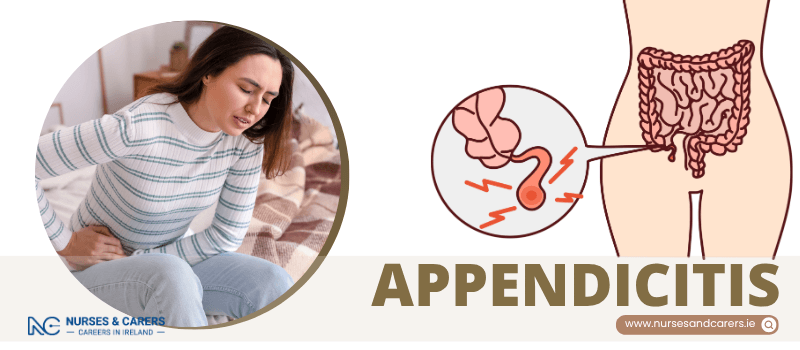
Appendicitis is a painful inflammation and swelling of the appendix.
The Appendix Anatomy: The appendix is a small, thin, finger-like pouch that is naturally connected to the first part of the large intestine.
Typical Progression of Pain
The Starting Point: Appendicitis typically begins with a dull, aching pain localized in the middle of the tummy (abdomen) around the belly button. At first, this discomfort may come and go intermittently.
The Shift: Within a few hours, the pain shifts and travels precisely to the lower right side of the tummy, which is the anatomical location of the appendix.
The Intensity: Once the pain settles in the lower right abdomen, it typically becomes constant, progressive, and severe. The discomfort often intensifies when
Urgent Care Required: You should book an urgent GP appointment if you experience tummy (abdominal) pain that is steadily and gradually getting worse over.
The Risk: Progressive abdominal pain can indicate an escalating underlying condition, such as appendicitis, which requires a prompt medical assessment before it leads to serious complications.
Secondary Symptoms of Appendicitis
Systemic Reaction: In addition to progressive abdominal pain, appendicitis frequently triggers a range of physical symptoms as the body reacts to the localized infection.
The Risk of Rupture: If medical treatment is delayed and the appendix bursts, it can release harmful bacteria into the abdomen. This causes a life-threatening infection of the lining of your tummy known as peritonitis, which requires emergency surgery.
Other Signs to Watch For
Along with tummy pain, an individual with appendicitis may experience:
Gastrointestinal Distress: Feeling sick (nausea), being sick (vomiting), and a complete loss of appetite.
Bowel Changes: Developing diarrhea or changes in normal bowel habits.
Infection Signs: Running a high temperature (fever) and having a noticeably flushed face.
Triggers That Intenisify the Pain
The localized inflammation makes the surrounding area highly sensitive. The pain will typically worsen with physical movements that disturb the abdomen, such as:
Direct Pressure: Pressing down on the lower right side of the tummy (or when the pressure is suddenly released).
Respiratory Strain: Coughing, sneezing, or taking deep breaths.
Physical Exertion: Walking, moving around, or experiencing bumps during a car ride.
Immediate Action Required: Call 112 or 999 for an ambulance or go straight to your nearest emergency department now if your tummy pain suddenly intensifies, spreads across your entire stomach, or temporarily improves before returning significantly worse.
The Risk of Peritonitis: These specific symptom patterns are critical warning signs that your appendix may have burst. A ruptured appendix can cause peritonitis, a severe and life-threatening infection of the lining of the abdomen that requires immediate emergency surgery.
Conditions with Similar Symptoms
Diagnostic Challenges: The symptoms of appendicitis—particularly early abdominal pain and nausea—can mirror several other common gastrointestinal and urological conditions.
The Golden Rule: Because of these similarities, a professional clinical assessment is necessary to find the true cause. Any condition that causes severe tummy pain that is present all the time needs urgent medical attention.
Medical Conditions that Mimic Appendicitis
Doctors must carefully rule out the following conditions when evaluating suspected appendicitis:
Gastroenteritis: A standard stomach or bowel infection that triggers abdominal cramps, vomiting, and diarrhea.
Severe IBS: Irritable Bowel Syndrome can cause acute episodes of intense abdominal pain, bloating, and fluctuating bowel habits.
Chronic Constipation: A severe backup of stool can cause significant lower abdominal pain and cramping, especially in children.
Urinary Tract Infections: Bladder or kidney infections can cause low abdominal discomfort, which may be confused with pelvic inflammation.
Crohn's Disease: An inflammatory bowel disease that frequently causes chronic or acute pain in the lower right side of the abdomen.
Pelvic Infections: Conditions like Pelvic Inflammatory Disease (PID) in women can cause persistent, severe lower abdominal and pelvic pain.
What Causes Appendicitis?
An Unclear Trigger: It is not entirely clear what causes appendicitis to develop in an individual.
The Main Theory: Medical experts believe it typically happens when the narrow opening of the appendix becomes physically blocked.
Demographics: Appendicitis is a very common condition that can develop at any stage of life, though it statistically affects young people aged 10 to 20 the most.
Common Causes of Appendix Blockage
When the entrance to the appendix becomes obstructed, it traps bacteria inside. Common causes of this blockage include:
Fecal Matter: A small, hardened piece of stool (poo) getting lodged in the opening.
Swollen Lymph Nodes: Swollen lymph tissues within the bowel wall, which often expand in response to a nearby respiratory or digestive tract infection.
Parasitic Infections: Parasites, such as a pinworm infection in children, physically blocking the internal channel of the pouch.
The Path to a Burst Appendix
Pressure Build-Up: Once the blockage occurs, bacteria rapidly multiply inside the trapped space. This triggers severe inflammation and swelling.
Increased Pressure: As the inflammation worsens, the fluid pressure inside the tiny appendix rises dangerously high.
Rupture Risk: If the blockage is not treated quickly, this extreme internal pressure cuts off blood supply to the tissue, causing the wall to weaken and ultimately causing the appendix to burst.
Can Appendicitis Be Prevented?
No Definitive Prevention: There is currently no known, guaranteed way to prevent appendicitis. It can occur suddenly and unpredictably at any age, though it is most common in young people.
Disclaimer
The information provided here is for educational and informational purposes only. It does not constitute medical advice, diagnosis, or treatment. Always consult a qualified healthcare professional or your GP for specific medical concerns, diagnoses, or health advice. Never disregard professional medical advice or delay seeking it because of information you have read here.