
Arthroscopy
4 Sept 2026 · 7 min read
On this page13 sections
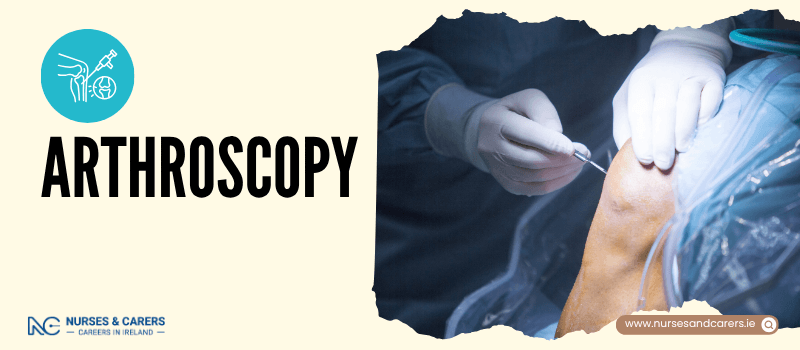
An Arthroscopy is a specialized type of keyhole surgery used by orthopaedic specialists to diagnose and treat a wide variety of joint problems.
The Main Benefit: Unlike traditional open surgery, an arthroscopy requires only small cuts (incisions) to be made in the skin, which significantly reduces recovery time, post-operative pain, and scarring.
Commonly Treated Joints: While it can technically be performed on any joint, it is most frequently used to evaluate and treat problems affecting the:
· Knees
· Ankles
· Shoulders
· Elbows
· Wrists
· Hips
Clinical Indications: When an Arthroscopy is Used
Investigating Unexplained Symptoms: An arthroscopy is frequently utilized when standard, non-invasive imaging techniques—such as X-rays, ultrasound, or MRI scans—fail to pinpoint the exact cause of persistent joint symptoms.
Dual Purpose: This procedure serves a dual purpose in orthopaedic care: it allows surgeons to physically diagnosethe internal layout of a joint and simultaneously provide targeted treatment during the same session.
Diagnostic Uses: Investigating Joint Issues
Surgeons may recommend an arthroscopy to visually inspect a joint if you suffer from unexplained, long-term symptoms such as:
Persistent Joint Pain: Chronic pain that does not respond to rest, physical therapy, or anti-inflammatory medication.
Swelling and Stiffness: Recurring fluid build-up or localized inflammation that restricts your normal range of movement.
Therapeutic Uses: Treating Joint Conditions
During the keyhole procedure, specialized miniature instruments are inserted through the tiny incisions to perform targeted surgical repairs, including:
Repairing Cartilage: Fixing or trimming torn cartilage, such as a meniscus tear in the knee or a labral tear in the shoulder or hip.
Removing Joint Debris: Extracting loose fragments of bone or floating cartilage that are causing the joint to lock or click painfully.
Draining Excess Fluid: Removing large build-ups of synovial fluid to instantly relieve internal joint pressure and pain.
Treating Specific Conditions: Managing or repairing damage caused by a range of localized orthopaedic conditions, such as:
Arthritis: Trimming inflamed joint tissue to improve comfort.
Frozen Shoulder: Releasing tight tissue capsules to restore movement.
Carpal Tunnel Syndrome: Relieving nerve pressure in the wrist.
Temporomandibular Disorder (TMD): Diagnosing or treating severe jaw joint issues.
Preparing for an Arthroscopy
The Pre-Admission Check: Before undergoing an arthroscopy, you will typically receive an appointment to attend a pre-admission clinic.
Health Evaluation: At this clinic, a doctor or nurse will evaluate your medical history and perform health checks to ensure you are physically well enough to safely undergo surgery.
Informed Consent: Your surgical team will meet with you to thoroughly explain the potential benefits and the associated risks of the arthroscopy so you can give informed consent.
Critical Pre-Operative Information You Will Receive
During your pre-admission assessment, the medical team will provide clear, personalized instructions regarding your surgery and recovery plan:
Fasting Guidelines: Specific instructions outlining exactly when you must stop eating and drinking (fasting) on the day of your surgery.
Medication Management: Guidance on whether you need to temporarily stop taking any of your current medications (such as blood thinners) or adjust your dosage before the procedure.
Recovery Timelines: An overview of what to expect during your immediate post-operative recovery and a realistic timeline of how long it is expected to take.
Rehabilitation Exercises: Early instructions on specific, gentle exercises you will need to perform after surgery to restore joint movement and strength.
What Happens During an Arthroscopy?
Anesthesia Selection: Most patients undergo an arthroscopy under general anesthetic, meaning you are completely asleep during the procedure. Depending on the specific joint and your health, a spinal or local anesthetic may be used instead.
Expert Consultation: Your anesthetist will meet with you before the surgery to discuss your medical history and determine which type of anesthesia is the safest and most suitable for you.
The Surgical Process Step-by-Step
Once the anesthesia takes effect, the surgical team follows a precise, sterile procedure to examine and treat the joint:
Sterilization: The surgeon cleans the skin over and around the target joint with an antibacterial fluid to minimize any risk of infection.
The Initial Cut: A small incision, usually only a few millimeters long, is made in the skin directly next to the joint.
Inserting the Arthroscope: The surgeon gently inserts an arthroscope through this tiny cut. An arthroscope is a thin, rigid metal tube equipped with a high-intensity light source and a miniature camera at the tip.
Visual Inspection: The arthroscope transmits real-time, high-definition images from inside the joint onto an external video monitor, allowing the surgeon to clearly see the cartilage, ligaments, and bone surfaces.
Surgical Repair: To treat a problem, the surgeon will make one or two additional tiny cuts to insert specialized miniature surgical instruments. These are used to shave away frayed tissue, remove loose bone fragments, or repair tears.
Improving Visibility: In many cases, the surgeon will temporarily inflate the joint cavity with a sterile saline fluid. This expands the joint space and washes away any debris, allowing them to see the internal structures much more clearly.
Immediate Post-Operative Care
Wound Closure: Once the procedure is complete, the surgeon removes all surgical instruments and drains any excess fluid from the joint cavity.
Dressing the Cuts: The tiny incisions are carefully closed, typically using adhesive surgical tape (Steri-Strips) or stitches, and are then covered with a protective sterile dressing.
Procedure Duration: An arthroscopy generally takes between 30 minutes and 2 hours to complete, depending entirely on the complexity of the diagnosis or repairs needed.
Discharging and Going Home Safely
Same-Day Discharge: Because it is a minimally invasive keyhole procedure, you can frequently go home later the same day or, in some cases, the following morning.
Transport Requirements: You cannot drive on the day of your surgery under any circumstances, as the anesthesia and joint trauma impair your reaction times.
Assisted Collection: You must arrange for a responsible adult or family member to collect you from the hospital and accompany you home safely.
Understanding the Risks of an Arthroscopy
A Safe Procedure: An arthroscopy is generally considered a highly safe, minimally invasive procedure. However, as with any surgical intervention, it carries certain inherent risks and potential complications.
Normal Post-Operative Effects: It is completely normal and expected to experience localized swelling, bruising, stiffness, and general discomfort immediately after keyhole surgery. These side effects are a natural part of the healing process and typically improve steadily in the days and weeks following the procedure.
Serious Complications: Severe or long-term problems are rare, occurring in fewer than 1 in 100 cases (less than 1%).
Rare and Serious Surgical Risks
If serious complications do occur, they typically fall into the following medical categories:
Deep Vein Thrombosis (DVT): A potentially dangerous blood clot that forms in a deep vein, usually in the leg, causing localized pain, warmth, and significant swelling.
Septic Arthritis (Joint Infection): A serious bacterial infection developing inside the joint cavity. This can cause a sudden high fever, chills, and severe pain and swelling in the operated joint.
Hemarthrosis (Bleeding in the Joint): Uncontrolled bleeding directly into the joint space, which frequently leads to sudden, severe pain, visible bruising, and tense swelling.
Nerve Damage: Accidental trauma or bruising to the delicate nerves running adjacent to the joint. This can cause temporary or, in very rare cases, permanent numbness, tingling, or a partial loss of sensation.
When to Get Help: You must contact your GP or the surgical team immediately if you suspect you are developing any type of complication from your arthroscopy.
The Importance of Timing: Early medical intervention is crucial. Catching a post-operative issue like an infection or a blood clot early makes it much easier to treat and prevents long-term joint damage.
Timeline for Post-Operative Recovery
Variable Timelines: Recovery from an arthroscopy is highly individualized and can take anywhere from a few days to a few months.
The Key Factor: The exact duration of your recovery depends entirely on the specific procedure performed inside the joint (for example, simply cleaning out loose tissue requires far less healing time than physically repairing a torn ligament).
Clinical Guidance: Your surgeon or hospital care team will meet with you before you are discharged to discuss your specific surgical findings and outline a realistic timeline for your recovery.
Disclaimer
The information provided here is for educational and informational purposes only. It does not constitute medical advice, diagnosis, or treatment. Always consult a qualified healthcare professional or your GP for specific medical concerns, diagnoses, or health advice. Never disregard professional medical advice or delay seeking it because of information you have read here.