
Athlete's Foot
4 Sept 2026 · 5 min read
On this page14 sections
Athlete's Foot is a highly contagious fungal infection that primarily targets the skin on your feet.
The Nature of the Infection: This condition does not clear up on its own. While it is easily treatable, athlete's foot frequently recurs after treatment if proper preventative foot hygiene is not maintained.
The Secondary Risk: If left untreated, the fungus can easily spread to your toenails, developing into a deeply rooted fungal nail infection that is much more difficult to clear.
Recognizing the Symptoms
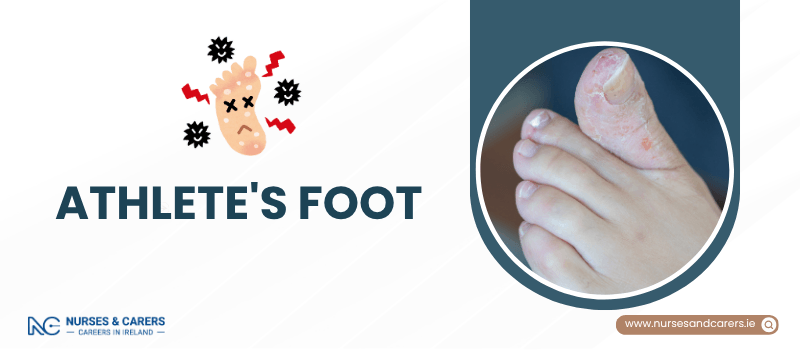
Athlete's foot looks and behaves differently depending on the individual. It most commonly develops between the toes, but it can also spread across the soles or up the sides of your feet.
Common Visual Signs Between the Toes
Color Changes: Areas can appear as red patches on white skin, or as purple patches on black or brown skin.
Texture Shifts: Flaky, dry patches of skin or moist, soggy, and wet white patches.
Structural Damage: Cracks, splits, or deep red fissures in the skin that can become painful, flake with yellow debris, or bleed.
Other Physical Symptoms
Sensation: Intense, persistent itching and burning, which often intensifies immediately after you remove your shoes and socks.
Blisters: The development of small, fluid-filled blisters on the skin surfaces.
Common Causes & Transmission
The fungal spores that cause athlete's foot thrive in warm, damp, and humid environments. You can easily contract the infection if your skin comes into direct contact with the fungus.
How the Fungus Spreads
Public Spaces: Walking barefoot in communal, moist environments such as public changing rooms, swimming pools, and shared showers.
Direct Skin Contact: Touching your bare foot against the infected skin of another person.
Shared Items: Sharing contaminated shoes, boots, or socks with someone who already has the infection.
Vulnerability Factors: You are significantly more likely to develop an active infection if the skin on your feet is consistently wet, sweaty, or physically broken from minor cuts or friction scratches.
Treatment and Pharmacy Advice
No GP Needed Initially: You do not usually need to see a doctor to treat standard athlete's foot.
Pharmacy Access: Your local pharmacist can recommend an effective over-the-counter antifungal medicine to eliminate the infection. These treatments typically take a few weeks of consistent use to work completely.
Types of Antifungal Medications
Pharmacists stock these treatments in several easy-to-use formats:
Antifungal Creams: Ideal for treating dry, flaky patches of skin.
Antifungal Sprays: Useful for covering larger areas rapidly or treating the inside of footwear.
Antifungal Powders: Highly effective for keeping moist, sweaty areas dry while fighting the fungus.
Child Safety Warning: Always check the product packaging or consult your pharmacist before applying a treatment. Some powerful antifungal medications are not suitable for children.
When to Consult a GP
While pharmacy options work for most people, you must contact a doctor under specific clinical circumstances:
Book a GP Appointment if:
Treatment Failure: Over-the-counter treatments from the pharmacy show no improvement after a few weeks of proper use.
Signs of Secondary Infection: Your foot becomes noticeably red, hot, swollen, and painful, which indicates a more serious bacterial skin infection (like cellulitis).
Underlying Diabetes: You have diabetes—any foot issues can quickly escalate into severe ulcers due to reduced circulation and nerve sensation.
Weakened Immune System: You have a compromised immune system, such as living with HIV or recovering from an organ transplant.
Advanced Medical Interventions
If you see a GP for a severe or stubborn infection, they can provide advanced care pathways:
Laboratory Testing: They may gently scrape a small sample of affected skin cells to send to a laboratory to identify the exact type of fungus causing the issue.
Prescription Therapy: They can prescribe stronger, targeted options such as combined steroid creams or oral antifungal tablets.
Specialist Referral: For highly severe or persistent cases, they may refer you directly to a dermatologist (skin specialist).
Daily Self-Care: Dos and Don'ts
To clear an active bout of athlete's foot and strictly prevent the spores from returning, incorporate these foot hygiene habits into your daily routine:
Do
Dry Thoroughly: Always dry your feet carefully after washing them, paying special attention to the tight spaces between your toes.
Pat, Don't Rub: Gently pat your skin dry with a towel instead of rubbing it, which protects raw skin from tearing.
Isolate Your Towel: Use a completely separate towel exclusively for your feet and wash it frequently at a high temperature.
Air Out at Home: Take off your shoes and socks whenever you are at home to allow your feet to breathe.
Change Socks Daily: Wear clean socks every single day. Choose breathable, natural materials like 100% cotton socks.
Wear Protective Footwear: Always wear flip-flops, sliders, or water shoes when walking around in public changing rooms, gym showers, or pool edges.
Sanitize Your Shoes: Keep your shoes clean and dry, and ask your pharmacist about protective antifungal powders to dust inside your footwear.
Don't
Do Not Scratch: Avoid scratching or picking at the itchy, peeling skin. This can easily transfer the highly contagious fungus to other warm areas of your body, such as your groin or armpits.
Do Not Walk Barefoot: Never walk barefoot in public spaces or shared home environments while you or a family member has an active infection.
Do Not Share Footwear: Avoid sharing towels, socks, shoes, or slippers with anyone else.
Do Not Wear Constrictive Shoes: Avoid wearing tight, unsupportive, or synthetic shoes that trap moisture and make your feet hot and sweaty.
Disclaimer
The information provided here is for educational and informational purposes only. It does not constitute medical advice, diagnosis, or treatment. Always consult a qualified healthcare professional or your GP for specific medical concerns, diagnoses, or health advice. Never disregard professional medical advice or delay seeking it because of information you have read here.