
Bird Flu (Avian Influenza)
4 Sept 2026 · 5 min read
On this page14 sections
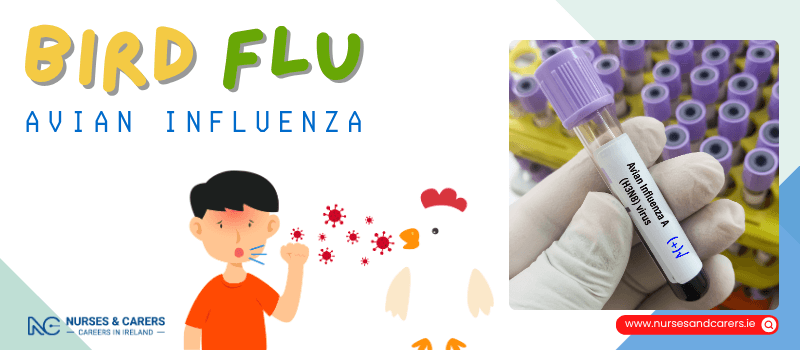
Bird Flu, scientifically known as Avian Influenza or avian flu, is a highly infectious viral strain that spreads rapidly among domestic and wild birds.
Human Transmission Risk: Cases of avian influenza in humans are exceptionally rare. The virus does not easily cross the species barrier to humans, and sustained person-to-person transmission remains extremely rare.
Food Safety Reassurance: You cannot contract bird flu by eating fully cooked poultry or eggs, even if you are living in or traveling through an active outbreak zone.
1. Transmission and Avian Warning Signs
How Humans Can Contract the Virus
Transmission to humans requires direct, unprotected exposure. You can contract bird flu if you are in close contact with an infected bird, which includes:
Physically touching infected birds, whether they are dead or alive.
Coming into direct contact with avian droppings (poo), feathers, or contaminated nesting bedding.
Culling, plucking, or preparing infected domestic poultry for cooking.
Warning Signs of Bird Flu in Flocks
If you keep poultry or encounter wild birds, be alert to these primary clinical indicators of an outbreak:
Sudden, unexplained death within a flock.
A noticeably swollen head accompanied by closed, runny eyes.
Total loss of appetite and severe respiratory distress (difficulty breathing).
Profuse diarrhea.
A sudden drop in egg production, or eggs laid with watery whites.
2. Prevention: Daily Dos and Don'ts
Practicing strict biosecurity and hygiene habits dramatically lowers your risk of exposure to avian viruses:
Do
Wash Hands Frequently: Wash your hands often with warm water and soap, particularly before, during, and after handling raw poultry or food [HSE Asthma Overview, HSE Bird Flu].
Separate Kitchen Utensils: Use completely different cutting boards, knives, and surfaces for raw poultry and cooked meats to prevent cross-contamination.
Cook Thoroughly: Ensure all poultry meat is cooked thoroughly until it is steaming hot all the way through.
Report Wild Mortalities: Proactively report any sightings of sick or dead wild birds to the appropriate agricultural authorities.
Don't
❌ Do not touch or approach sick birds, dead birds, or wild bird droppings.
❌ Do not visit live animal markets or commercial poultry farms unless absolutely necessary during an active outbreak.
❌ Do not import live birds, domestic poultry, or untreated feathers into the country.
❌ Do not consume raw or undercooked poultry or raw eggs under any circumstances.
3. Symptoms and Diagnosis in Humans
The incubation period for avian influenza is brief; it typically takes 3 to 5 days after exposure for the first physical symptoms to manifest.
Primary Flu-like Symptoms
The infection initially mimics severe seasonal influenza:
A sudden high temperature (fever) of 38°C or above.
Feeling intensely hot, flushed, or shivery.
Severe muscle aches, body pains, and headaches.
A persistent cough or sudden shortness of breath.
Early Complications and Secondary Symptoms
As the virus progresses, it can trigger systemic complications, including:
Gastrointestinal distress, such as diarrhea, nausea/sickness, and stomach pain.
Acute chest pain.
Spontaneous bleeding from the nose and gums.
Conjunctivitis (red, inflamed, and weeping eyes).
Diagnostic Testing
If doctors suspect avian influenza, they will perform objective lab tests to confirm the presence of the virus:
Nasal and Throat Swab: Collecting a cell sample from the back of your throat and nose using a sterile swab.
Sputum Test: Laboratory testing of your coughed-up phlegm to check for viral genetic material.
4. Medical Treatment Guidelines
Isolation and Care: If you test positive or show symptoms, you will be advised to isolate at home or undergo specialized isolation treatment in a hospital setting to prevent transmission.
Antiviral Medications: Doctors will prescribe specialized antiviral medicines. Administering these drugs rapidly reduces the severity of the infection, prevents critical complications like pneumonia, and significantly improves survival rates.
Prophylactic Use: Antiviral treatments are also proactively given to healthy individuals who have had close contact with confirmed infected birds or patients (such as family members or frontline healthcare staff).
5. Travel Safety Guidelines
If you are planning an international trip or fall ill while outside of Ireland, manage your healthcare access carefully:
Check Local Advisory Alerts: Before departure, review the active country-specific health and travel advisories managed by the Department of Foreign Affairs at dfa.ie.
Seek Immediate Help Abroad: If you develop severe respiratory symptoms while abroad, seek emergency medical care immediately.
Utilise Your EHIC: If you are traveling within any European Union (EU) nation, European Economic Area (EEA) country, or Switzerland, ensure you carry a valid European Health Insurance Card (EHIC) to access free or reduced-cost emergency healthcare.
6. How to Report Sick or Dead Wild Birds
The control and surveillance of avian influenza outbreaks in Ireland are managed by the Department of Agriculture, Food and the Marine. You can report a suspected case online via their official tracking application at gov.ie or by using the emergency telephone lines below:
Standard Office Hours (Monday to Friday, 9am to 5pm): Phone 01 607 2512.
Out-of-Hours and Weekends: Phone 01 492 8026.
Disclaimer
The information provided here is for educational and informational purposes only. It does not constitute medical advice, diagnosis, or treatment. Always consult a qualified healthcare professional or your GP for specific medical concerns, diagnoses, or health advice. Never disregard professional medical advice or delay seeking it because of information you have read here.