
Black Eye
4 Sept 2026 · 3 min read
On this page8 sections
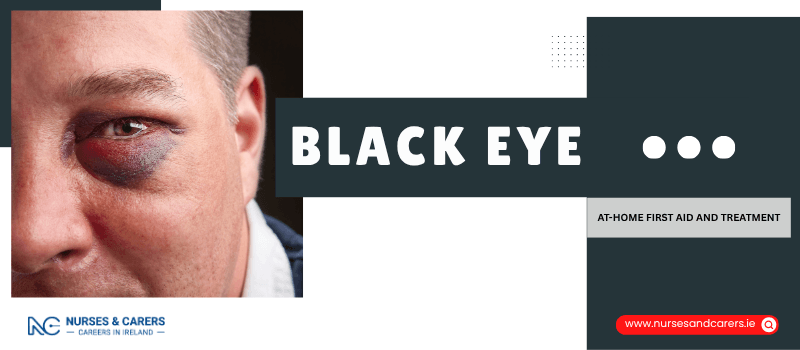
A Black Eye is localized bruising and swelling of the tissue surrounding your eye.
Common Causes: It is typically triggered by direct physical trauma to the face or head, such as a punch, a sports injury, or an accidental fall.
Recovery Timeline: In most routine cases, a black eye is temporary and will heal completely on its own within 2 to 3 weeks as your body reabsorbs the pooled blood.
1. At-Home First Aid and Treatment
To manage pain, minimize swelling, and support the natural healing process, practice these self-care steps:
Do
Apply Cold Compression: Gently hold a cold ice pack wrapped in a clean cloth to the area surrounding your eye. Do this frequently during the first 48 hours to constrict blood vessels and reduce swelling.
Manage the Pain: Take over-the-counter painkillers, such as paracetamol or ibuprofen, to relieve throbbing or discomfort.
Transition to Warmth: After the first 2 days (48 hours) have passed, switch to holding a warm heat pack or a warm, damp cloth to the area regularly throughout the day to promote blood flow and clear the bruising.
Don't
❌ Do not take aspirin. Avoid aspirin unless it has been specifically prescribed by your GP. Aspirin thins your blood and can significantly worsen the internal bleeding and bruising.
❌ Do not put ice directly onto your skin. Always wrap ice cubes or frozen packs in a towel or cloth to prevent frostbite or tissue damage to the delicate skin around the eye.
❌ Do not press or rub the area. Avoid putting physical pressure on or massaging the swollen tissue around your eye.
2. When to Seek Medical Attention
Non-Urgent Medical Advice
Contact your GP for a routine appointment if you have a black eye accompanied by:
Severe or worsening localized pain and swelling.
A persistent headache that does not start to ease.
Signs of a secondary bacterial infection, such as pus draining from the skin or the area feeling intensely hot and tender to the touch.
A high temperature (fever) of 38°C or higher, or if you feel suddenly hot and shivery.
Bruising or swelling that fails to go away within 3 weeks.
Urgent Advice (Request an Urgent GP Appointment)
Contact your GP practice for an urgent, same-day appointment if you have a black eye and:
Take blood-thinning medications, such as warfarin, which can cause uncontrolled internal bleeding.
Live with a bleeding disorder, such as hemophilia.
Experience blurry vision or a mild clouding of your sight.
Emergency Action Required (Go to an Emergency Department Immediately)
Go straight to your nearest hospital Emergency Department (ED) or call emergency services if you experience any of these critical red flags, as they can indicate structural damage to the eye globe, a fractured orbit, or a serious brain injury:
Blood inside the eye: Visible pooling of blood across the white part of your eye (sclera) or inside the colored iris.
Pupil changes: Any visible distortion to the shape or symmetry of your pupil (the black center of your eye).
Double bruising: A severe blow to the head followed by sudden bruising around both eyes (sometimes called "raccoon eyes," which can indicate a skull fracture).
Severe vision problems: Experiencing double vision, a sudden loss of vision, or seeing flashing lights, halos, or dark shadows across your field of sight.
Photophobia: Experiencing severe, sharp pain when you look directly at a bright light source.
Disclaimer
The information provided here is for educational and informational purposes only. It does not constitute medical advice, diagnosis, or treatment. Always consult a qualified healthcare professional or your GP for specific medical concerns, diagnoses, or health advice. Never disregard professional medical advice or delay seeking it because of information you have read here.