
Blood Clots
4 Sept 2026 · 4 min read
On this page13 sections
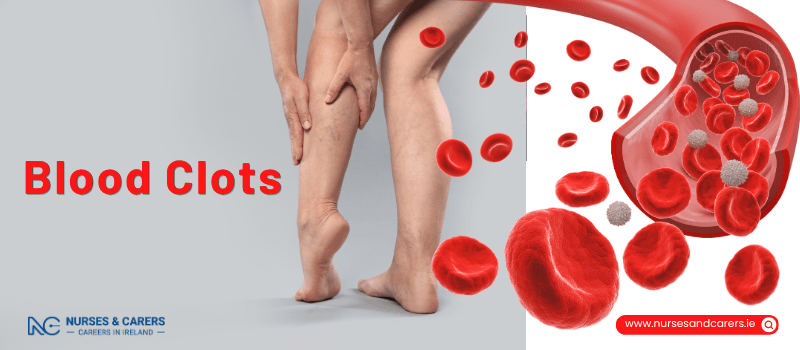
A blood clot—medically referred to as a thrombosis—is a solid clump of blood cells that forms inside a blood vessel.
Medical Urgency: Blood clots are highly serious, life-threatening medical emergencies that require immediate diagnostic testing and rapid treatment to prevent fatal complications.
Prevention: Maintaining a healthy, active lifestyle and staying properly hydrated are the most effective ways to lower your baseline risk of a thrombosis.
1. The Two Main Types of Blood Clots
Thrombosis is primarily categorized by where the clot forms and where it travels within the circulatory system.
Deep Vein Thrombosis (DVT)
Definition: A DVT occurs when a blood clot develops within a deep internal vein, most commonly deep inside one of your legs or calves.
Visual and Physical Symptoms:
Sudden, unexplained swelling or localized pain in only one leg or calf.
The skin on the affected leg feels noticeably warm to the touch or looks red or discolored.
Note: In some clinical cases, a DVT may develop silently without showing any physical symptoms at all.
Pulmonary Embolism (PE)
Definition: A PE is a catastrophic complication that occurs when a DVT, or a broken fragment of that clot, detaches from the leg vein, travels through the bloodstream, and becomes tightly lodged in a blood vessel in your lungs.
Systemic Symptoms:
Sudden, unexplained shortness of breath or abnormally rapid breathing.
Sharp chest pain, which frequently intensifies or feels sharper specifically when you breathe in.
A sudden cough, or coughing up streaks of blood.
Feeling severely dizzy, lightheaded, or faint.
2. Emergency Action Pathways
Urgent Medical Advice
Seek professional medical assistance immediately if you or someone else develops one or more symptoms of a deep vein thrombosis, such as isolated leg swelling or localized heat.
Emergency Action Required
Call 112 or 999 for an ambulance or go straight to your nearest Emergency Department (ED) right away if you or someone near you experiences either of these critical indicators:
Is actively struggling to breathe or gasping for air.
Has lost consciousness, collapsed, or passed out.
3. Evaluating Your Personal Risk Factors
Your biological likelihood of developing a dangerous blood clot increases significantly under specific environmental or medical conditions:
High-Risk Medical Scenarios
Hospital Stays: You are currently admitted to the hospital or have recently been discharged.
Postpartum and Pregnancy: You are currently pregnant or delivered a baby less than 6 weeks ago.
Oncology: You have active cancer or are currently undergoing cancer treatments like chemotherapy.
Immobility: You are unable to move one or both of your legs—such as having your lower limb immobilized inside a hard orthopedic cast or splint.
Body Weight: You are living with obesity or are significantly overweight.
Secondary Risk Accelerators
A personal or direct genetic family history of having a blood clot in the past.
Active smoking or vaping.
Using combined hormonal contraception methods, including the combined oral contraceptive pill, a contraceptive vaginal ring, or a hormonal patch.
4. Prevention: Daily Dos and Don'ts
If you are currently a hospital inpatient or are identified as having a high risk of thrombosis, always adhere strictly to the specialized guidance provided by your healthcare team. This clinical plan may include wearing tight compression stockings to mechanically improve your lower-limb blood flow or taking daily prescription blood-thinning medications (anticoagulants).
To protect your circulation during everyday life, incorporate these active habits:
Do
Keep Moving: Stay physically active. Even if you are unwell or confined to a bed, make a conscious effort to gently flex, circle, and move your legs and feet at least every 90 minutes to keep your blood circulating.
Maintain Hydration: Drink plenty of fresh water throughout the day to avoid dehydration. A reliable way to check your hydration level is to ensure your urine remains a light yellow or clear color.
Don't
❌ Do not sit for long periods without moving. If you work at a desk or travel long distances, stand up to stretch your legs once every hour.
❌ Do not consume large amounts of alcohol, as heavy drinking causes acute dehydration and thickens your blood.
❌ Do not smoke cigarettes, as nicotine damages the inner lining of your blood vessels and makes blood cells stick together.
Disclaimer
The information provided here is for educational and informational purposes only. It does not constitute medical advice, diagnosis, or treatment. Always consult a qualified healthcare professional or your GP for specific medical concerns, diagnoses, or health advice. Never disregard professional medical advice or delay seeking it because of information you have read here.