
Deep Vein Thrombosis (DVT)
8 Sept 2026 · 4 min read
On this page10 sections
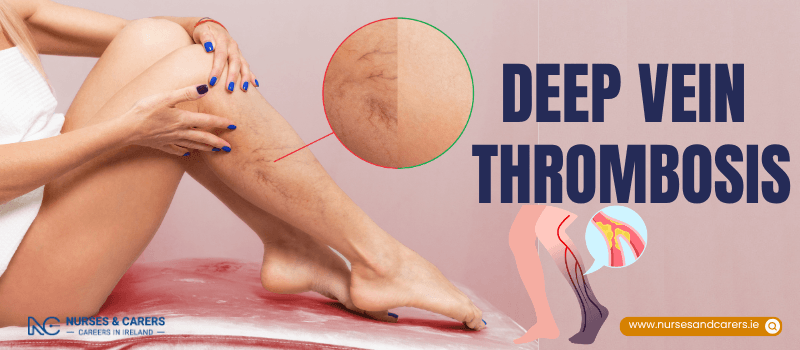
Deep vein thrombosis (DVT) is a serious medical condition where a blood clot forms in a deep vein, most commonly in the calf, thigh, or pelvis. DVT is highly dangerous because the clot can break loose, travel through the bloodstream, and lodge in the lungs, causing a life-threatening blockage known as a pulmonary embolism.
Emergency Medical Warning
Request an urgent medical appointment or visit the nearest emergency department immediately if you experience the following symptoms of DVT:
Throbbing pain or tenderness in your calf or thigh, which typically worsens when walking.
Swelling, usually isolated to one leg, affecting your ankle, calf, or both.
Skin that feels noticeably warm to the touch in the affected area of the calf.
Redness or discoloration on the skin of the leg.
High-Risk Groups
The majority of DVT cases occur in individuals who are currently hospitalized or living in a nursing home, particularly those with restricted mobility following a surgical procedure.
Your risk of developing DVT increases significantly if you:
Are over 60 years old.
Are overweight or obese.
Smoke tobacco.
Have a personal history of DVT.
Take the combined oral contraceptive pill.
Have an active cancer diagnosis or heart failure.
Are pregnant or have given birth within the past 6 weeks.
Are confined to bed rest.
Diagnosis and Testing
If a doctor suspects DVT, they will refer you directly to an emergency department for specialized assessment. Your diagnostic path will include:
Blood tests to look for fragments of broken-down blood clots (D-dimer test).
An ultrasound scan of your veins to visually confirm the presence and location of a clot.
Pre-emptive anticoagulant treatment, such as an immediate injection of heparin, to halt clot growth and prevent complications while you wait for your scan.
Treatment Protocol
Medical treatment focuses on stopping the clot from growing and reducing the risk of a pulmonary embolism:
Initial Therapy: Daily heparin injections administered under the skin for 4 to 5 days.
Transition Therapy: A switch to oral medication after the initial injection period. Direct oral anticoagulants (DOACs, also called NOACs) have largely replaced traditional medications like Warfarin. Treatment duration varies based on severity and underlying cause.
Severe Cases: In rare, critical situations where a limb is at risk, doctors may utilize specialized clot-busting drugs to dissolve the blockage immediately.
Pregnancy Protocol: Pregnant patients are treated with daily anticoagulant injections for the remainder of the pregnancy and up until the baby is at least 6 weeks old.
Recovery and Aftercare
Following a DVT diagnosis, active recovery measures are crucial to prevent recurrence:
Engage in regular, low-impact exercise, with daily walking being the most effective choice.
Wear a professionally fitted, below-the-knee compression stocking as advised by your healthcare team.
Consult your physician before planning any long-haul flights or extended journeys.
Prevention Strategies
Daily Lifestyle Adjustments
Do: Maintain a healthy weight and stay physically active with daily walks.
Don't: Sit still for prolonged periods; stand up and move around every hour.
Don't: Smoke; seek out professional support resources to help you quit.
Travel Precautions (Journeys Lasting 3 Hours or More)
Wear loose, comfortable clothing.
Walk around the vehicle, cabin, or train car whenever it is safe to do so.
Wear properly fitted compression garments (flight socks).
Perform dedicated calf exercises every 30 minutes:
Raise your heels while keeping your toes pinned to the floor 10 times.
Raise and lower your toes while keeping your heels on the floor 10 times.
Hospital Stay Safeguards
Before a planned hospital procedure, your healthcare team will evaluate your risk profile and may advise you to temporarily halt medications like the contraceptive pill. While admitted, you can protect yourself by:
Walking around the ward as soon as you are cleared to move.
Flexing your toes up and down and rotating your ankles in circles if bedbound.
Utilizing the compression stockings and preventative heparin injections provided by staff.
Continuing any prescribed preventative treatments at home, as blood clots can still develop weeks after discharge.
Disclaimer
The information provided here is for educational and informational purposes only. It does not constitute medical advice, diagnosis, or treatment. Always consult a qualified healthcare professional or your GP for specific medical concerns, diagnoses, or health advice. Never disregard professional medical advice or delay seeking it because of information you have read here.