
Blood Transfusion
4 Sept 2026 · 3 min read
On this page10 sections
A blood transfusion is a safe, potentially life-saving procedure where you receive blood or blood components from a donor.
Why It Is Done
Transfusions replace lost blood or specific blood components (red blood cells, plasma, or platelets). Common reasons include:
Anaemia: Severe lack of red blood cells.
Blood disorders: Conditions like sickle cell disease or thalassaemia.
Cancer treatments: Chemotherapy or stem cell transplants that lower blood counts.
Severe bleeding: Major blood loss from surgery, childbirth, or accidents.
What Happens
Consent: A healthcare professional explains the procedure, and you sign a consent form.
Testing: A blood sample is tested to match your specific blood group for safety.
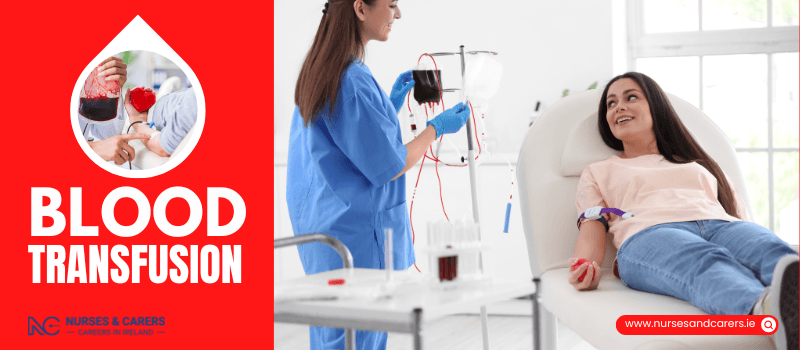
Setup: You sit or lie down while a needle is inserted into a vein in your arm or hand.
Transfusion: Blood flows from a bag through a tube into your vein.
Recovery and Timing
Duration: One bag of blood usually takes under 4 hours to receive.
Discharge: You can typically go home the same day unless you are severely unwell.
During a blood transfusion, you will feel a brief pinch from the needle but no pain as the blood flows, while healthcare staff monitor you continuously.
Before the Procedure
Inform your medical team immediately if you:
Had previous reactions to any blood transfusions.
Require specialized blood, such as irradiated blood to prevent rare immune complications.
Managing Side Effects
Mild reactions: Fever, chills, or rashes can occur and are treated with paracetamol or by adjusting the transfusion speed.
Aftercare: Expect minor bruising or soreness at the injection site for a few days.
Monitoring: Alert staff instantly if you feel uncomfortable or unwell at any point.
Seek immediate medical attention or contact your GP if you feel unwell within 24 hours of a blood transfusion.
When to Seek Urgent Care
Call your GP or go to the nearest emergency department right away if you experience:
Difficulty breathing or shortness of breath.
Chest pain or pressure.
Back pain.
Blood transfusions are standard, highly regulated procedures with minimal risks due to strict screening and matching protocols.
Safety Protocols & Risks
Blood matching: Your blood is cross-matched with donor blood to ensure compatibility.
Infection screening: All donations are thoroughly tested for HIV, syphilis, and hepatitis.
Infection rates: Contamination is extremely rare, with HIV risk at 1 in 9 million and Hepatitis C at 1 in 12 million[Irish Blood Transfusion Service (IBTS)].
Other complications: Rare risks include minor allergic reactions or infrequent heart, lung, or immune system complications.
Emergency exceptions: Medical staff explain these risks beforehand unless emergency circumstances prevent it.
Alternatives & Refusal
Medical alternatives: If you have anaemia or upcoming surgery, doctors may prescribe medications to stimulate red blood cell production or minimize bleeding.
Refusing treatment: Declining a transfusion increases your risk of severe anaemia; consult your specialist before surgery or pregnancy if you plan to refuse.
Post-Transfusion Rules & Records
Donation ban: You become permanently ineligible to donate blood after receiving a transfusion to prevent the transmission of variant CJD (vCJD) [Irish Blood Transfusion Service (IBTS)].
Data retention: Irish hospitals and the Irish Blood Transfusion Service (IBTS) legally preserve your personal transfusion records for 30 years.
Sample storage: Physical blood samples from each donation are securely stored for 10 years.
Disclaimer
The information provided here is for educational and informational purposes only. It does not constitute medical advice, diagnosis, or treatment. Always consult a qualified healthcare professional or your GP for specific medical concerns, diagnoses, or health advice. Never disregard professional medical advice or delay seeking it because of information you have read here.