
Carbon Monoxide Poisoning
6 Sept 2026 · 9 min read
On this page29 sections
Carbon Monoxide Poisoning
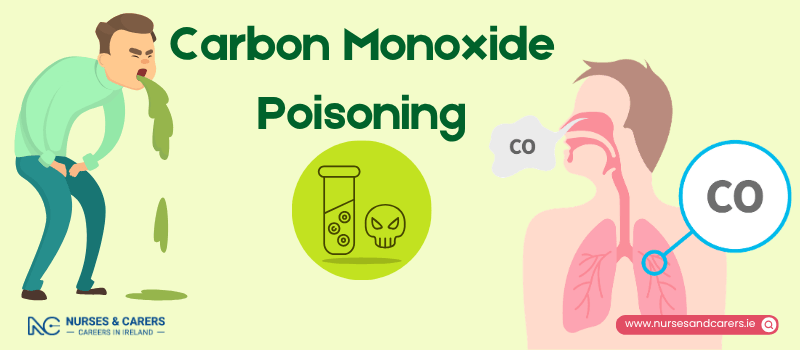
Carbon monoxide (CO) is a deadly, odorless, and tasteless gas that can cause severe illness or death when inhaled. Because it is completely undetectable by human senses, knowing the warning signs is critical.
If you suspect exposure, fresh air alone will not cure the poisoning—you must seek professional medical care immediately.
⚠️ When to Seek Medical Help
🚨 Emergency (Go to the Emergency Department)
Go to the nearest emergency department immediately if you suspect high-level exposure or experience severe symptoms. Very high levels of carbon monoxide can be fatal within minutes.
📞 Non-Urgent (Contact Your GP)
Contact your GP or seek medical help if you suspect you have been exposed to low levels of carbon monoxide. You may not visually or physically realize you are being affected.
Symptoms of Carbon Monoxide Poisoning
The symptoms of CO poisoning depend heavily on the level of exposure. CO poisoning does not cause a high temperature (fever), which helps distinguish it from viral illnesses.
1. Low-Level Exposure Symptoms
Low-level exposure often mimics the flu or food poisoning. Symptoms worsen the longer you breathe in the gas:
Headache and dizziness
Nausea, vomiting, and stomach pain
Tiredness and confusion
Shortness of breath or difficulty breathing
Note: Due to their smaller body size, pets and children are affected much faster. Pets are often the first to show symptoms.
2. Long-Term or High-Level Exposure Symptoms
Prolonged exposure or high concentrations of the gas severely impact the nervous system and heart, sometimes causing a dangerous loss of consciousness within 2 hours.
Neurological & Mental Changes: Impaired mental state, confusion, intoxication, memory loss, and loss of balance or vision.
Emotional Shifts: Irritability, depression, and impulsive or irrational decision-making.
Physical Symptoms:
Vertigo (a spinning sensation)
Ataxia (loss of physical coordination)
Rapid heart rate and chest pain
Severe shortness of breath
Muscle spasms or seizures
Loss of consciousness
Causes, Detection, Treatment, and Prevention of Carbon Monoxide Poisoning
Carbon monoxide (CO) is produced when carbon-based fuels do not burn fully. Common household appliances—such as boilers, cookers, central heating systems, water heaters, and wood-burning stoves—are the leading causes of accidental exposure when they are poorly installed, incorrectly maintained, or badly ventilated.
How to Spot a Carbon Monoxide Leak
Because you cannot see, taste, or smell carbon monoxide, look out for environmental clues and patterns of illness in your home.
Environmental Warning Signs
Discolored flames: Gas flames burning yellow or orange instead of a crisp blue.
Sooty residue: Black, brown, or yellow stains on or around boilers, stoves, and gas fires.
Pilot light issues: Pilot lights that frequently blow out.
Smoke buildup: Smoke accumulating in rooms due to a blocked or faulty flue.
Behavioral and Health Clues
Shared symptoms: Other people or roommates in the same building fall ill with similar symptoms at the same time.
Location relief: Your symptoms reliably disappear when you leave the property and return when you come back.
Seasonal patterns: Headaches or sickness peak during the winter months when heating appliances are heavily used.
Sick pets: Your pets suddenly become ill or die from an unknown cause.
Diagnosis and Treatment
When inhaled, carbon monoxide binds with hemoglobin in your red blood cells to form carboxyhemoglobin. This prevents your blood from carrying oxygen, causing tissue damage and cell death.
Medical Diagnosis
A blood test measures the percentage of carboxyhemoglobin in your bloodstream.
A level of 30% or higher indicates severe exposure.
Note: Smokers naturally have higher baseline carboxyhemoglobin levels, which can make test results more complex to interpret.
Medical Treatments
While mild poisoning may not require hospital admission, you must still seek medical advice. If hospital treatment is necessary, two primary therapies are used:
Treatment Type | How It Works | When It Is Used |
|---|---|---|
Standard Oxygen Therapy | Administers 100% pure oxygenthrough a tight-fitting face mask (compared to 21% oxygen in normal air) to quickly flush CO out of the blood. | Preferred standard treatment for high-level exposure. Continued until carboxyhemoglobin drops below 10%. |
Hyperbaric Oxygen Therapy (HBOT) | Floods the body with pure oxygen inside a pressurized chamber to rapidly overcome severe oxygen shortages. | Used in specialized cases, such as when prolonged exposure has caused or threatens to cause nerve damage. |
Long-Term Complications
Severe or prolonged exposure to carbon monoxide permanently damages oxygen-deprived tissues. Roughly 1 in 10 people with severe poisoning suffer lasting complications:
Brain and Neurological Damage
Severe memory problems and difficulty concentrating.
Permanent loss of vision or hearing loss.
Parkinsonism: A neurological condition causing tremors, muscle stiffness, and slow movement (distinct from age-related Parkinson's disease).
Cardiovascular Disease
Coronary heart disease: Long-term exposure accelerates the buildup of fatty substances (atheroma) that block the heart's blood supply.
Angina and Heart Attacks: Reduced blood flow causes chronic chest pain (angina), while a total artery blockage causes a heart attack.
High-Risk Groups
While CO is dangerous to everyone, certain groups face much higher risks:
Pregnant women and unborn babies: Chronic exposure can cause low birth weight, developmental behavioral problems, stillbirth, or neonatal death within the first 4 weeks of life.
Children (due to faster metabolic rates).
People with pre-existing chronic heart or respiratory conditions.
How to Prevent Carbon Monoxide Poisoning
Prevention requires active maintenance of your property and appliances. Never attempt to install or service fuel-burning appliances yourself.
1. Maintain Appliances & Structures
Professional Servicing: Ensure all boilers, cookers, and heating systems are installed and annually serviced by a reputable, registered engineer.
Clear Flues and Chimneys: Have all chimneys and flues professionally swept at least once a year to prevent blockages.
2. Vehicle and Garage Safety
Exhaust Checks: Have your car engine exhaust inspected for leaks every year.
Ventilation: Ensure your vehicle's exhaust pipe is clear of debris before turning it on. Never leave petrol-powered vehicles or lawnmowers running inside a garage.
3. Install Carbon Monoxide Alarms
Place a audible carbon monoxide alarm in every room of your home that contains a fuel-burning appliance (gas, oil, coal, or wood).
Test the alarms regularly. Remember: Alarms are a safety net, not a substitute for proper appliance maintenance.
Preventing and Handling Carbon Monoxide Leaks
Carbon monoxide (CO) is a silent killer, but poisoning is entirely preventable. By following strict environmental safety rules and knowing exactly how to react to an alarm, you can protect yourself, your family, and your coworkers.
What to Do If You Suspect a Leak or Your Alarm Sounds
If your CO alarm goes off or you notice environmental warning signs, act immediately. Do not hesitate or stop to investigate the source.
[1] STOP APPLIANCES ➡️ [2] OPEN WINDOWS ➡️ [3] EVACUATE NOW ➡️ [4] CALL FOR HELPTurn off appliances: Immediately stop using and switch off all fuel-burning appliances if it is safe to do so.
Ventilate the property: Open all nearby doors and windows to let in fresh air as you move toward the exit.
Evacuate immediately: Go outside into the fresh air right away. Do not re-enter the property under any circumstances until emergency services tell you it is safe.
Stay calm: Keep your movements steady. Staying calm prevents your heart rate from rising, which slows down how fast your body absorbs the toxic gas.
Call the Emergency Line:
Report the incident immediately to the Gas Networks Emergency Line at 1800 20 50 50.
When to Call 112 or 999
Phone 112 or 999 immediately if:
You suspect anyone is actively suffering from carbon monoxide poisoning.
Someone has lost consciousness or is having severe difficulty breathing.
The Dos and Don'ts of CO Safety
Do
Keep rooms ventilated: Ensure indoor air flows freely. Never block, cover, or seal up air vents, grilles, or wall heaters.
Install kitchen ventilation: Fit an active extractor fan in your kitchen to properly vent cooking byproducts outdoors.
Wear protective gear: Always wear a specialized safety mask when working with paint strippers or solvents that contain methylene chloride, as your body converts this chemical into carbon monoxide when inhaled.
Don't
Never use cooking appliances for heat: Do not use ovens, grills, or gas ranges to warm your home.
Avoid stove alterations: Do not place foil around gas burners, and avoid using oversized pots that trap heat and disrupt the clean burning of the gas flame.
Keep outdoor equipment outside:
Never use gas-powered tools or generators inside the home or garage. Always place the engine unit and exhaust outdoors.
Never leave cars, mowers, or generators idling inside a garage, even with the garage door open.
Never burn charcoal or camp fuel indoors: Do not use barbecues, charcoal grills, or camping stoves inside a house, vehicle, caravan, or tent.
Protect your sleeping areas: Never sleep in a room featuring a gas fire or paraffin heater that lacks a dedicated, functional flue or chimney chimney.
Disclaimer
The information provided here is for educational and informational purposes only. It does not constitute medical advice, diagnosis, or treatment. Always consult a qualified healthcare professional or your GP for specific medical concerns, diagnoses, or health advice. Never disregard professional medical advice or delay seeking it because of information you have read here.