
Cellulitis
6 Sept 2026 · 3 min read
On this page8 sections
Cellulitis is a common bacterial infection affecting the deeper layers of the skin. It can become severe or life-threatening if left untreated. Unlike superficial infections, you cannot catch cellulitis from another person.
Common Symptoms
The affected skin area typically becomes:
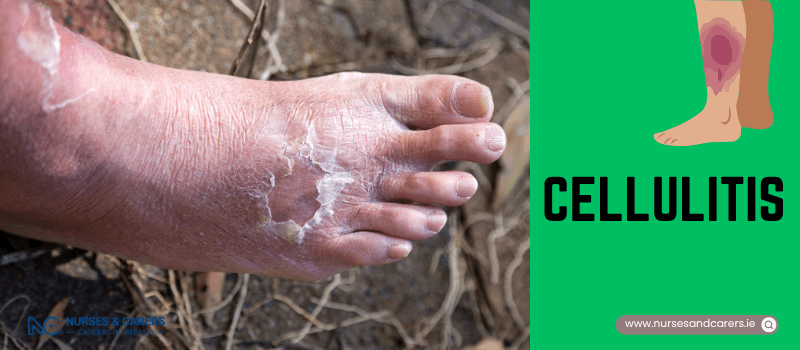
Red and swollen
Painful to touch
Warm to the touch
While it can appear anywhere on the body, it most frequently affects the lower legs, feet (especially near the toes if you have athlete's foot), and hands.
⚠️ Seek an Urgent GP Appointment if:
The infection is on your face or around your eye
Symptoms are rapidly worsening
The affected person is a young child or an elderly person
The person has a weakened immune system (e.g., from diabetes or chemotherapy)
Causes and Risk Factors
Cellulitis occurs when bacteria enter the skin through a break in its surface. This break can be a cut, scrape, insect bite, surgical wound, or dry, cracked skin. Sometimes, the break is too small to notice.
You are at a higher risk of developing cellulitis if you have:
Poor circulation in your limbs
Difficulty moving around
Lymphoedema (fluid build-up under the skin)
Bedsores or pressure ulcers
A history of previous cellulitis infections
A habit of injecting drugs
Note: If you are in a high-risk group, always treat conditions like athlete's foot promptly to prevent skin breaks.
Treatment Options
Early treatment prevents the infection from spreading to your lymph nodes, blood, muscles, or bones.
Mild Cases: Your doctor will prescribe oral antibiotics, usually for 7 days. Most people recover fully within 7 to 10 days.
Important: Your symptoms may worsen during the first 48 hours before improving. Always complete the entire antibiotic course, even if you feel better.
Severe Cases: You may be referred to a hospital to receive fluids and antibiotics intravenously (directly into a vein).
Recurring Cases: Doctors may prescribe low-dose, long-term antibiotics to prevent repeat infections.
Self-Management and Recovery
To speed up your recovery alongside taking your prescribed antibiotics:
Take paracetamol or ibuprofen to manage pain.
Elevate the affected limb on a pillow or chair to reduce swelling.
Regularly move the nearby joint (like your wrist or ankle) to prevent stiffness.
Drink plenty of fluids to stay hydrated.
Do not wear compression stockings until the infection is completely cleared.
Prevention Strategies
Reduce your risk of a future infection by:
Keeping your skin clean and well-moisturised.
Cleaning any cuts or wounds immediately and applying antiseptic cream.
Wearing gloves when gardening or working outside.
Wearing appropriate clothing and footwear to avoid cuts and scrapes.
🚨 EMERGENCY ACTION REQUIRED
Call emergency services (999 or 112) or go to the nearest Emergency Department immediately if your cellulitis is accompanied by any of the following signs of sepsis:
A very high temperature, or feeling hot and shivery
A fast heartbeat or rapid breathing
Purple patches appearing on the skin
Feeling dizzy, faint, confused, or disoriented
Cold, clammy, or pale skin
Unresponsiveness or loss of consciousness
Disclaimer
The information provided here is for educational and informational purposes only. It does not constitute medical advice, diagnosis, or treatment. Always consult a qualified healthcare professional or your GP for specific medical concerns, diagnoses, or health advice. Never disregard professional medical advice or delay seeking it because of information you have read here.