
Impetigo
12 Sept 2026 · 3 min read
On this page6 sections
Impetigo is a highly contagious bacterial skin infection. While it is rarely serious, it spreads easily to other parts of the body and to other people if left unmanaged. With professional treatment, the infection typically clears within 7 to 10 days; without treatment, it can take 2 to 3 weeks to resolve.
Identifying the Symptoms
Impetigo is most common in young children, though it can affect individuals of any age. The infection typically manifests through the following stages:
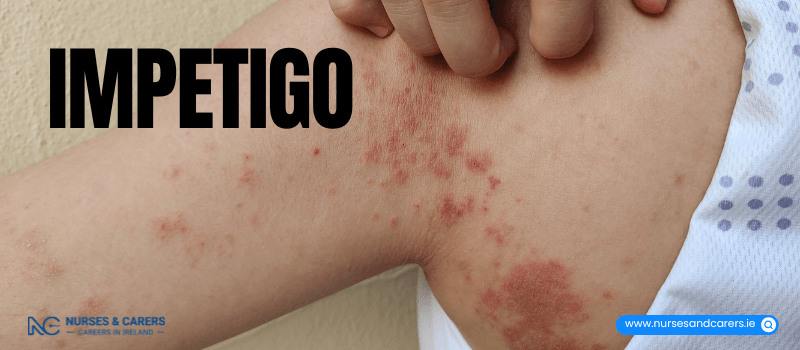
Initial presentation: Small, red sores or fluid-filled blisters that can emerge anywhere on the body, though they most frequently appear on exposed areas such as the face, hands, or around the abdomen. Note that the underlying redness may be less visible on brown or black skin.
Crusting stage: When these blisters burst, they leave behind distinctive, crusty, golden-brown patches resembling dried honey.
Progression: These patches can expand in size, spread to adjacent skin, and become intensely itchy. While the areas may occasionally feel tender, distinct pain is uncommon.
Professional Treatment Options
A GP or a qualified community pharmacist participating in the Common Conditions Service can diagnose and treat impetigo. Because impetigo can look like more severe skin infections such as cellulitis, getting a professional evaluation is important.
Mild or localized infections: Your healthcare provider will typically prescribe a topical antibiotic cream to accelerate recovery.
Widespread infections: If the patches have spread extensively across the body, a GP will likely prescribe a course of oral antibiotic tablets.
Recurrent infections: If impetigo keeps returning, a GP can swab your nostrils to check for persistent colonies of the causative bacteria. They may prescribe a targeted nasal antiseptic to eradicate the bacteria completely.
Important Medication Rule: Complete the full duration of your prescribed antibiotic treatment, even if the skin appears entirely healed. Stopping early can cause the infection to resurface and spread.
When to Seek Urgent GP Care
Contact a GP promptly if you or your child has suspected impetigo and any of the following apply:
The patient is an infant under 2 months old.
The patient has an underlying condition that weakens the immune system, such as diabetes.
The infection is spreading rapidly across large areas of the body.
The symptoms change significantly or worsen despite starting treatment.
The infection fails to clear up after completing the medication course.
Managing Contagion and Stopping the Spread
An individual remains contagious until 48 hours after starting their prescribed antibiotic treatment, or until all patches have completely dried out, flaked off, and crusted over if no treatment is administered.
Strict Protocols to Prevent Spreading:
Do: Stay at home and isolate from school, work, or childcare while contagious.
Do: Keep all sores, blisters, and crusty patches clean and dry.
Do: Cover the infected areas loosely using clothing or sterile gauze bandages.
Do: Wash your hands frequently with soap and water.
Do: Wash all personal linens, face cloths, clothes, and towels at a high temperature.
Do: Thoroughly clean children's toys using warm water and soap.
Don't: Do not scratch, pick, or touch the infected skin patches.
Don't: Do not have close physical contact with others, especially children or immunocompromised individuals.
Don't: Do not share towels, face cloths, cups, or bedsheets with anyone else.
Don't: Do not prepare food for other people.
Don't: Do not visit the gym, swim, or participate in contact sports.
Long-Term Prevention
Impetigo bacteria generally enter the body through pre-existing breaks in the skin barrier. To lower the risk of infection, promptly clean all minor cuts, scratches, scrapes, and insect bites with warm water and soap. Additionally, ensure that chronic underlying skin conditions, such as eczema, are properly managed and treated.
Disclaimer
The information provided here is for educational and informational purposes only. It does not constitute medical advice, diagnosis, or treatment. Always consult a qualified healthcare professional or your GP for specific medical concerns, diagnoses, or health advice. Never disregard professional medical advice or delay seeking it because of information you have read here.