
Chemotherapy
7 Sept 2026 · 4 min read
On this page10 sections
Chemotherapy uses cytotoxic medicines to destroy cancer cells and stop them from spreading. Also known as systemic anti-cancer therapy (SACT), these powerful drugs travel through your bloodstream to target fast-growing cells throughout the entire body
How Chemotherapy Works
Disrupts cell division: Medications interrupt the replication cycle of cancer cells to stop them from multiplying.
Damages healthy cells: The treatment also temporarily affects normal, fast-dividing body cells, which triggers side effects.
Cellular recovery: Healthy tissues usually repair themselves over time, meaning most side effects subside after your final cycle
Treatment Goals and Applications
Oncologists recommend chemotherapy based on your overall health, cancer type, staging, and preferences.
Cure completely: Eradicate the cancer entirely so that it does not return.
Shrink tumours: Minimize mass sizes prior to a surgical procedure.
Enhance radiotherapy: Combine treatments (chemo radiation) to make radiation sessions more effective.
Prevent recurrence: Destroy remaining microscopic cells after surgery or radiation.
Provide palliative care: Ease pain, relieve severe symptoms, and prolong life when a cure is no longer possible
Preparation, Choices, and Monitoring
Final consent: Your oncology team outlines clinical options, but the ultimate decision to proceed rests with you.
Routine testing: Blood tests and health checks are required before each cycle to evaluate organ function.
Progress monitoring: Scans and physical exams are performed during intervals to ensure the tumour is responding
Chemotherapy treatments
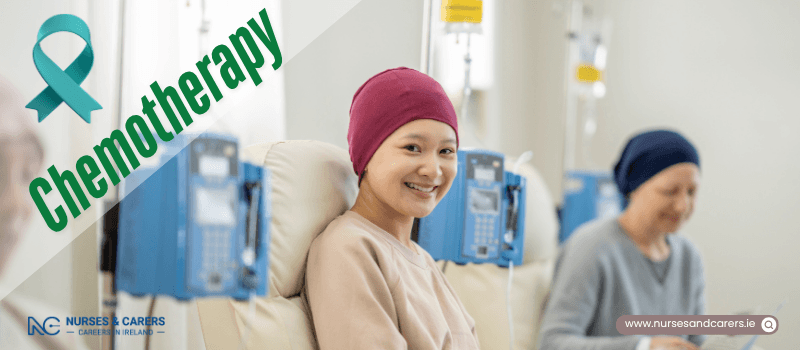
Chemotherapy treatments are administered in dedicated healthcare settings using tailored delivery methods based on your specific diagnosis. Your oncology team will determine your optimal care setting, medication schedule, and overall supportive care plan.
Treatment Settings
Outpatient clinics: Specialized local infusion centers where you receive treatment and return home the same day.
Inpatient hospital stays: Overnight admission required for complex regimens, intensive monitoring, or prolonged infusions.
Home administration: Self-administered oral medications or mobile nurse visits for specific treatment types.
Administration Methods
Intravenous (IV) infusion: Medications delivered directly into a vein via a cannula, central line, or port.
Oral medications: Systemic treatment taken at home in the form of tablets or capsules.
Injections: Subcutaneous or intramuscular shots administered by a healthcare provider.
Topical creams: Specialized formulations applied directly to the skin for certain localized cancers.
Duration, Decisions, and Support
Cyclical scheduling: Treatment is delivered in structured cycles, alternating active treatment phases with essential rest periods.
Side effect management: Supportive medications are prescribed concurrently to prevent or minimize adverse effects like nausea.
Right to refuse: Patients retain full autonomy to alter or discontinue treatment if side effects significantly compromise quality of life.
Clinical trials: Access to emerging, innovative chemotherapy agents may be available through ongoing medical research studies.
Overview of Adverse Effects
Chemotherapy targets rapidly dividing cells, which can cause temporary adverse reactions. While side effects can be unpleasant, most can be managed effectively and typically resolve once treatment ends.
Common reactions: Fatigue, nausea, vomiting, hair loss, mouth sores, dry or itchy skin, diarrhoea, constipation, easy bruising, and cognitive changes ("chemo brain").
Chemo radiation impacts: Combining chemotherapy with radiation therapy can increase the intensity of these side effects.
Delayed effects: Certain symptoms, known as late effects, may persist or develop months or years after completing therapy.
Critical Safety Monitoring
Chemotherapy suppresses your immune system, reducing your body's ability to fight off illness and making you highly susceptible to severe infections.
Infection prevention: Wash hands frequently with soap and water, avoid close contact with sick individuals, and stay up to date on annual flu and COVID-19 vaccinations.
Medication safety: Consult your oncology team before taking any new prescription drugs, over-the-counter medications, or herbal supplements, as they can interfere with your treatment.
Pregnancy risks: Chemotherapy can severely harm an unborn baby. Use barrier methods like condoms during treatment, even if you utilize other forms of birth control.
When to Seek Immediate Medical Attention
Contact your oncology emergency hotline, call emergency services, or go to the nearest emergency department immediately if you experience any of the following symptoms:
Temperature spikes or drops: A fever of 37.5°C or higher, or a temperature below 36°C.
Signs of infection: Hot or cold shivers, new body aches, or flu-like symptoms.
Uncontrolled symptoms: Severe vomiting that resists anti-sickness medication, or 4+ episodes of diarrhea in 24 hours.
Bleeding complications: Bleeding gums, persistent nosebleeds, or any bleeding that does not stop after 10 minutes of direct pressure.
Severe physical changes: Mouth ulcers that prevent eating or drinking, sudden swelling in the limbs, or new skin rashes.
Pregnancy exposure: Suspected or confirmed pregnancy in yourself or your partner during active treatment cycles.
Disclaimer
The information provided here is for educational and informational purposes only. It does not constitute medical advice, diagnosis, or treatment. Always consult a qualified healthcare professional or your GP for specific medical concerns, diagnoses, or health advice. Never disregard professional medical advice or delay seeking it because of information you have read here.