
Chlamydia
7 Sept 2026 · 4 min read
On this page6 sections
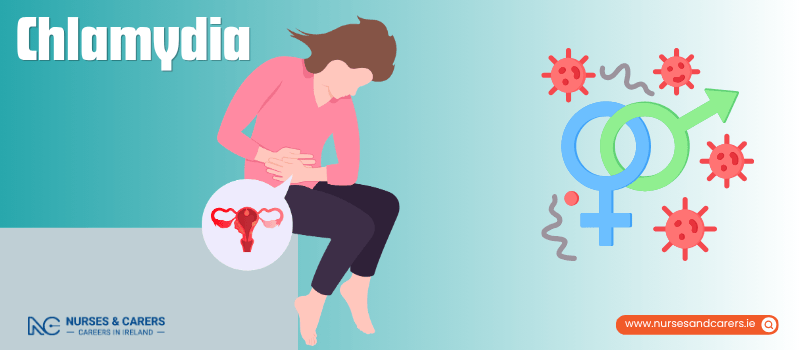
Chlamydia is a highly common bacterial infection and stands as the most frequently diagnosed sexually transmitted infection (STI) in Ireland, predominantly affecting individuals under the age of 25. The bacteria can infect the cervix, urethra, uterus, fallopian tubes, ovaries, testicles, rectum, pharynx (throat), and eyes.
Transmission routes: It is primarily transmitted via condomless vaginal, anal, or oral sex, sharing unwashed sex toys, or vertically from mother to baby during childbirth.
Non-transmission: The bacteria cannot be spread through casual contact such as hugging, kissing, swimming, sharing cutlery/towels, or utilizing public toilet seats.
Symptom Presentation
The majority of individuals infected with chlamydia display no clinical symptoms. When symptoms do emerge, they typically manifest between 1 and 28 days following sexual exposure and vary by biological sex:
In Men (Asymptomatic in ~50% of cases):
Abnormal discharge from the tip of the penis.
Pain, burning, or discomfort during urination.
Testicular pain and localized swelling (affecting one or both testicles).
Rectal symptoms if the infection is in the back passage, including pain, mucus discharge, diarrhea, or bleeding.
In Women (Asymptomatic in ~70% of cases):
Post-coital bleeding (bleeding after sex) or intermenstrual bleeding (bleeding between periods).
An unusual change in typical vaginal discharge.
Painful urination or acute abdominal (pelvic) pain.
Diagnostics and Clinical Treatment
Testing for chlamydia is entirely non-invasive and painless. It is diagnosed using a urine sample for men and a self-administered or clinical vaginal swab for women. Depending on exposure history, additional swabs may be taken from the rectum or throat.
Medical cure: The infection is highly treatable and cured with a targeted course of prescription antibiotics.
Partner notification: Because it is highly contagious, current and recent sexual partners must be notified, screened, and treated concurrently to prevent community spread and reinfection.
Abstinence window: You must strictly avoid all sexual contact—including oral sex and sex with a condom—until you and your partner(s) have completely finished the full course of antibiotic treatment.
Follow-up testing: While routine follow-up tests are not generally required for the standard population, your healthcare provider will explicitly advise you if a "test of cure" is necessary.
Risks of Untreated Infection
Ignoring or failing to treat a chlamydia infection can lead to severe legal and long-term reproductive complications:
In Women: The bacteria can ascend from the cervix into the upper reproductive tract, causing Pelvic Inflammatory Disease (PID). PID causes irreversible scarring to the fallopian tubes, significantly elevating the risk of chronic pelvic pain, ectopic pregnancy, and permanent infertility.
In Men: The infection can spread to the testicles, causing epididymo-orchitis, which presents as severe testicular pain, swelling, and potential fertility complications.
Systemic Complications: In rare cases, both sexes can develop Sexually-Acquired Reactive Arthropathy (SARA), an autoimmune reaction causing joint swelling and pain (most common in knees and ankles), or contract localized eye inflammation (conjunctivitis).
Chlamydia in Pregnancy
Screening and curing chlamydia during pregnancy is critical to prevent transmitting the bacteria to the infant during delivery. In newborns, exposure to the bacteria can cause severe neonatal conjunctivitis (eye infections) or infant pneumonia.
Antibiotic safety: Your antenatal care team will prescribe specialized antibiotics that are fully clinically tested and safe for use during pregnancy.
Mandatory re-testing: Unlike the general population, pregnant individuals must undergo a follow-up test after finishing their antibiotic course. This confirms a negative status before childbirth, ensuring the infant is safe from exposure.
Prevention Strategies
Consistent barrier use: Utilizing external or internal condoms correctly every single time you engage in oral, anal, or vaginal sex significantly reduces transmission risk.
Pre-encounter screening: Before initiating unprotected sex with a new sexual partner, both individuals should undergo a comprehensive sexual health screen at a local clinic.
Specialized resources: Men who have sex with men can access tailored, community-specific sexual health advice and local screening locations via the national Man2Man platform.
Would you like me to consolidate this chlamydia section with the previous health summaries into a single sexual health manual, or do you need help formatting a specific clinic checklist?
Disclaimer
The information provided here is for educational and informational purposes only. It does not constitute medical advice, diagnosis, or treatment. Always consult a qualified healthcare professional or your GP for specific medical concerns, diagnoses, or health advice. Never disregard professional medical advice or delay seeking it because of information you have read here.