
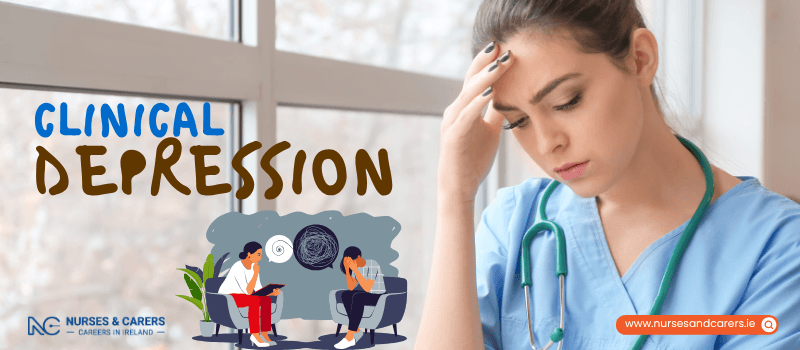
Clinical Depression
7 Sept 2026 · 20 min read
On this page43 sections
Clinical Depression is a serious, persistent mental health condition that goes beyond short-term sadness or feeling unmotivated. It is a recognized medical vulnerability, not a personal weakness or something an individual can simply "snap out of" through willpower alone. With appropriate evidence-based clinical treatments and structured support systems, the vast majority of individuals make a full recovery.
Symptom Classification
Clinical depression affects individuals uniquely, presenting through a combination of psychological, physical, and social manifestations. A clinical diagnosis typically requires symptoms to persist for most of the day, every day, for at least 2 weeks, and be severe enough to actively disrupt occupational, social, or domestic functioning.
Psychological Symptoms
Persistent Low Mood: Continuous, unremitting feelings of deep sadness, emptiness, or hopelessness.
Diminished Self-Worth: Low self-esteem, frequent tearfulness, or excessive, inappropriate guilt.
Anhedonia: A total loss of interest or motivation in activities and hobbies that were once highly enjoyable.
Cognitive Difficulties: Pronounced trouble making daily decisions, poor focus, and constant underlying anxiety.
Self-Harm Idealization: Recurring thoughts of self-harm or suicidal ideation.
Physical Symptoms
Psychomotor Changes: Moving, reacting, or speaking noticeably slower than usual.
Energy Depletion: Chronic, severe fatigue and a complete lack of physical stamina.
Sleep Disturbances: Insomnia, early-morning awakening, or hypersomnia (oversleeping).
Metabolic Shifts: Marked changes in appetite and body weight (most commonly decreased, but occasionally increased).
Somatic Complaints: Unexplained physical aches, pains, persistent headaches, or chronic constipation.
Biological Alterations: A severely diminished sex drive (loss of libido) or unexpected disruptions to the menstrual cycle.
Social Symptoms
Isolation: Actively avoiding contact with friends, withdrawing from family interactions, and refusing social invitations.
Occupational Decline: Decreased performance, absenteeism, or escalating difficulties meeting responsibilities at work or school.
Relational Strain: Experiencing friction, communication breakdowns, or detachment within home and family life.
Severity and Presentation
Depression often builds gradually, making it difficult for the individual to recognize their own declining health. Frequently, it is family members or close friends who first identify that something is wrong. Clinicians categorize the condition based on its overall functional impact:
Mild Depression: Symptoms have a noticeable impact but can be managed with effort.
Moderate Depression: Symptoms significantly complicate and impair daily occupational and social functioning.
Severe Depression: Daily life and basic self-care become almost entirely impossible to navigate. Severe cases may also co-occur with other complex conditions, such as clinical anxiety or acute psychosis.
Clinical Differentiation: Grief vs. Depression
While the emotional pain of grief and clinical depression share similar characteristics, they are fundamentally distinct processes:
Grief: A natural, healthy emotional response to a significant personal loss. The intense sadness associated with grief typically occurs in waves, is often triggered by specific memories, and does not completely destroy a person's capacity to occasionally experience joy or retain a hopeful view of the long-term future.
Clinical Depression: A sustained, unyielding state of low mood that remains constant regardless of immediate circumstances. It completely flattens emotional responses, leaving the individual entirely unable to experience pleasure or envision a positive future.
Subtypes and Related Depressive Disorders
Depressive symptoms can manifest as standalone disorders or as components of other complex mental health conditions:
Postnatal Depression: A major depressive episode developing during pregnancy or within the first year following childbirth, requiring specialized talking therapies and safe medication options.
Bipolar Disorder (Manic Depression): A condition characterized by severe cyclic mood swings. Individuals alternate between deep depressive episodes and periods of mania. Mania involves dangerously elevated moods, racing thoughts, and high-risk behaviors like compulsive gambling, reckless financial spending, or unsafe sexual practices.
Seasonal Affective Disorder (SAD): Often termed "winter depression," this subtype follows a seasonal pattern, typically recurring during the darker winter months due to reduced sunlight exposure.
Persistent Depressive Disorder (Dysthymia): A chronic, long-term form of depression where low mood, empty feelings, and low self-esteem persist continuously for years, subtly eroding relationships and daily performance.
Accessing Professional Clinical Help
Non-Urgent Medical Advice
Schedule an appointment to consult your General Practitioner (GP) if you or a loved one experience symptoms of depression for most of the day, every day, for more than 2 weeks. Your GP can perform baseline medical checks, rule out other physiological causes, provide initial treatment options, or coordinate a referral to local specialist psychological services.
Urgent Mental Health Crisis Protocol
If you or someone you know is in immediate danger of self-harm, attempting suicide, or causing harm to others, treat this as a medical emergency.
Emergency Action: Call 999 or 112 immediately, or go directly to the nearest hospital Emergency Department (ED) for secure, urgent psychiatric crisis intervention.
Causes-Clinical depression
The Multi-Causal Nature of Depression
Clinical depression rarely stems from a single isolated cause. It typically develops due to a complex combination of biological, psychological, environmental, and lifestyle factors. Often, multiple triggers intersect or accumulate over time to initiate a depressive episode.
Environmental and Life Triggers
Severe stress or sudden disruptions to an individual's personal or professional life are major catalysts for clinical depression.
Acute Stressors: Experiences such as bereavement, divorce, severe personal illness, redundancy, or chronic financial strain.
Cumulative Impact: A rapid succession of difficult events—such as experiencing a job loss shortly after a bereavement—significantly increases the likelihood of triggering an episode.
The Behavioral Downward Spiral: A stressful event can cause behavioral changes that exacerbate low mood. For example, a relationship breakdown may lead to social withdrawal and increased alcohol use, creating a compounding cycle that deepens the depression.
Biological and Psychological Vulnerabilities
Genetic Predisposition: Having a close biological relative with a history of clinical depression elevates your statistical risk, indicating a hereditary genetic component.
Personality Traits: Individuals with low self-esteem, a tendency toward perfectionism, or an overly self-critical mindset are more vulnerable to the condition. These traits are shaped by a mix of inherited genetics and early life experiences.
Hormonal and Life Transitions: Rapid biochemical shifts can directly impact mood regulation. During pregnancy or the first year postpartum, a combination of sharp hormonal fluctuations, physical exhaustion, and the profound stress of adjusting to new parental responsibilities can trigger postnatal depression.
Social and Lifestyle Influences
Social Isolation: Disconnection from friends, family, or community networks acts as both a primary risk factor and a symptom that worsens the severity of depression.
Substance Misuse: Using alcohol or illicit drugs as a coping mechanism to numb emotional pain is counterproductive. While they may provide temporary relief, substances chemically destabilize brain chemistry:
Alcohol: As a central nervous system depressant, regular alcohol consumption actively lowers mood and worsens depressive symptoms.
Cannabis: While often used for relaxation, cannabis use elevates the risk of developing clinical depression, particularly in adolescents and young adults whose brains are still actively developing.
Support Resources: Comprehensive guidance on substance safety is available at askaboutalcohol.ie and drugs.ie.
Diagnosis-Clinical depression
Medical Conditions and Physiological Causes
Physical illness can directly alter brain function or cause significant emotional stress, leading to depression:
Chronic or Severe Illnesses: Managing life-threatening or debilitating medical events, such as surviving a heart attack, a stroke, or a cancer diagnosis.
Neurological Trauma: Severe head injuries or concussions can directly damage brain tissue, causing subsequent mood instability and emotional regulation difficulties.
Endocrine Disruption: Thyroid imbalances frequently mimic or cause psychiatric symptoms. An underactive thyroid (hypothyroidism) slows body systems, causing extreme fatigue and a loss of libido that can develop into depression. Conversely, an overactive thyroid (hyperthyroidism) can also destabilize mood and increase depression and anxiety risks.
Initial Steps and Clinical Thresholds
Consulting a General Practitioner (GP) is the foundational step toward accessing evidence-based treatments such as structured self-help, psychological talking therapies, or antidepressant medications. Although depression can make it difficult to envision recovery, early clinical intervention significantly improves long-term outcomes.
Schedule a medical evaluation if you experience any of the following:
Duration: Depressive symptoms that persist every day for more than 2 weeks without improvement.
Functional Impact: A low mood that actively interferes with your employment, personal hobbies, or relationships with friends and family.
Safety Concerns: Any recurring thoughts of self-harm or suicide.
The Clinical Assessment Process
Because depression cannot be identified via physical indicators, doctors rely on comprehensive diagnostic interviews and diagnostic screening tools to evaluate your physical and mental health.
Excluding Physiological Causes: Your GP may order routine blood or urine tests to rule out underlying organic conditions—such as hypothyroidism (an underactive thyroid)—that physically mimic psychiatric depression.
Diagnostic Consultation: Your doctor will interview you regarding:
Your current symptoms and their specific impact on your daily routine.
Your personal medical history and any past mental health difficulties.
Your current living environment, relationship structures, and lifestyle habits.
Recent environmental triggers, such as traumatic or highly stressful life events.
The presence of any self-harming or suicidal ideation.
To ensure an accurate diagnosis and an effective treatment plan, it is vital to answer these questions as openly and honestly as possible.
Patient Privacy and Confidentiality Policies
All clinical consultations with your GP are legally bound by strict medical confidentiality protocols.
Your doctor is permitted to breach this confidentiality agreement only under specific emergency exceptions:
There is clear evidence of a significant, immediate risk of severe harm to yourself or to another person.
Disclosing specific risk information to a designated family member or emergency service is deemed necessary to actively prevent that harm.
Treatment-Clinical depression
Modalities of Depressive Treatment
Clinical depression is treated using evidence-based interventions tailored to the specific severity of the diagnosis. Your healthcare team may recommend a single therapeutic pathway or a combination of strategies, adjusting the plan as your recovery progresses.
Management Strategies by Severity
1. Mild Depression
Mild depressive episodes frequently improve with targeted lifestyle modifications and low-intensity interventions.
Physical Exertion: Structured physical activity serves as a primary, frontline clinical recommendation to stimulate endorphins and stabilize mood.
Structured Self-Help: Utilizing clinically approved self-help texts or guided online Cognitive Behavioural Therapy (CBT) modules to identify and restructure unhelpful thought patterns.
Community Resources: Accessing local peer support groups or mental health charities to reduce isolation.
Active Surveillance: Because mild symptoms can resolve naturally, your GP may adopt a "watchful waiting" approach, scheduling a mandatory progress follow-up after two weeks.
2. Mild to Moderate Depression
When symptoms begin to noticeably interfere with daily functioning, psychological interventions are introduced.
Psychological Talking Therapies: Formal referral to structured counselling or one-on-one CBT.
Sourcing an Accredited Practitioner: While a GP referral is standard, you can source a private practitioner directly. Ensure your chosen therapist holds formal credentials from an established professional regulatory body, such as:
The Irish Association for Counselling and Psychotherapy (IACP)
The Psychological Society of Ireland (PSI)
3. Moderate to Severe Depression
Severe episodes require intensive, multi-layered clinical interventions to manage complex symptoms and functional decline.
Antidepressant Medications: Prescription tablets designed to stabilize neurotransmitter levels. There are nearly 30 distinct types of antidepressants; your GP or psychiatrist will select the formulation best suited to your chemical profile.
Combination Therapy: The simultaneous use of both antidepressant medications and psychological talking therapies. For moderate to severe depression, clinical data shows that combination therapy is significantly more effective than utilizing either treatment alone.
Multidisciplinary Mental Health Teams: Referrals to specialist psychiatric community services. Your core care team may integrate:
Psychiatrists: Medical doctors managing complex pharmacological prescriptions.
Psychologists: Specialists delivering intensive psychological interventions.
Specialist Psychiatric Nurses: Providers delivering clinical monitoring and continuous care support.
Occupational Therapists: Specialists helping patients rebuild functional daily living and work skills.
Complementary and Adjunctive Interventions
Mindfulness-Based Stress Reduction: Practicing deliberate present-moment awareness to better identify and regulate emotional states. This modality is formally recommended as a preventative strategy for individuals who have experienced three or more distinct depressive episodes in their lifetime.
Herbal Remedies: While some individuals opt for natural supplements, you must consult your GP or pharmacist prior to use. Herbal products can cause dangerous biochemical interactions with prescribed medications or reduce the efficacy of your antidepressants.
National Support Infrastructure: Direct, independent support services, helplines, and peer networks for individuals navigating clinical depression are available through aware.ie.
Daily Wellness and Routine Management
Active self-management combined with structured daily habits can significantly accelerate clinical recovery and reduce the severity of depressive symptoms.
Nutrition and Hydration: Maintain a balanced, nutrient-dense diet. Stable nutrition regulates blood sugar levels and directly stabilizes daily mood and energy.
Physical Activity: Regular exercise triggers the release of endorphins (natural neurotransmitters that elevate mood). It lowers stress, mitigates anxiety, improves self-esteem, and serves as a healthy cognitive distraction from negative thought loops.
Routine Optimization: Establish a consistent schedule by waking up at the same time daily. Protect time for creative outlets, hobbies (like cycling or gardening), and regular social interaction with friends and family to prevent isolation.
Mindfulness Practice: Incorporate deliberate present-moment awareness into your day. Focus systematically on your immediate physical sensations, thoughts, and environment to ground yourself and reduce emotional distress.
Emotional Expression and Peer Support
Communicating Feelings: Sharing your struggles with a trusted person or within an organized peer support group provides critical validation and perspective on your recovery.
Alternative Outlets: If you are uncomfortable discussing your mental health verbally, process your emotions through structured creative writing, poetry, or visual art.
Medication Compliance and Safety
If you are prescribed antidepressant medications, strict adherence to clinical protocols is vital to sustain recovery.
Continuous Adherence: Continue taking your medication exactly as directed by your physician, even after you begin to feel better. Halting treatment prematurely significantly increases the risk of a relapse.
Interaction Warnings: Review the patient information leaflet provided with your medication. Consult your GP or pharmacist before taking any over-the-counter drugs, common painkillers, or herbal supplements, as they can cause adverse interactions or reduce your antidepressant's efficacy.
Substance Avoidance and Mental Health
Using nicotine, alcohol, or illicit substances to self-medicate creates a counterproductive cycle that worsens long-term clinical depression.
Alcohol and Nicotine: While they may provide a brief, temporary numbing effect, alcohol is a central nervous system depressant that ultimately lowers mood and destabilizes emotional health.
Cannabis Vulnerabilities: Cannabis use is directly linked to prolonged mental health difficulties. Utilizing cannabis while managing depression causes distinct clinical setbacks:
Actively worsens underlying depressive symptoms and amplifies chronic fatigue and apathy.
Elevates the frequency and speed of depressive relapses.
Reduces your brain's therapeutic response to prescribed antidepressant medications.
Frequently leads to premature discontinuation of prescribed treatments, lowering the statistical probability of a full recovery.
Clinical Support: Access specialized cessation tools and advice via askaboutalcohol.ie and drugs.ie.
Workplace Stress, Leave, and Financial Protections
Imbalanced occupational stress can trigger or prolong depression, requiring practical boundary management and structured workplace planning.
Adjusting Work Structures: If job pressures impair your ability to function, discuss flexible schedules or reduced hours with your employer or Human Resources (HR) department.
The Value of Employment: While acute episodes may require temporary sick leave, remaining absent for extended periods can worsen depression. Returning to a supportive, well-structured work environment boosts confidence and aids long-term recovery.
Phased Return Planning: Coordinate with your GP and employer to design a phased return-to-work plan that includes reasonable accommodations to support your transition.
Financial and Welfare Supports: If you are unable to work due to illness, you may be legally entitled to occupational sick pay. Review your welfare rights, illness benefits, and disability supports via citizensinformation.ie and mywelfare.ie.
Navigating Bereavement and Grief
Losing a loved one is a profound catalyst for clinical depression. While feeling sad, exhausted, and irritable is a normal, healthy response to loss, these feelings can transition into a clinical depressive episode if they remain unyielding over a long period and completely freeze your daily functioning. Specialized bereavement counseling and structured support networks can assist you in processing intense grief over time.
Critical Suicide Prevention and Risk Monitoring
Clinical depression significantly elevates the statistical risk of suicidal ideation and self-harm behavior. Recognizing the progressive warning signs in yourself or a loved one is vital for timely intervention.
Behavioral Warning Signs
Final Arrangements: Compiling a will, systematically giving away treasured personal possessions, or making abrupt, definitive goodbyes to friends and family.
Verbal Ideation: Expressing explicit statements regarding death (e.g., "I wish I was dead") or passive, indirect phrases (e.g., "I just want to go to sleep and never wake up").
Self-Harm: Actively damaging the body via cutting, burning, or other physical means to cope with intense emotional distress.
Paradoxical Mood Shifts: A sudden, unexplained clearance of severe depression or a dramatic surge in mood. This can indicate that the individual has finalized a suicide plan and feels a sense of relief regarding their decision.
Crisis Intervention Protocol
If you are navigating a severe depressive crisis, experiencing self-harm urges, or actively thinking about suicide, treat it as a critical medical priority.
Urgent Action: Contact your General Practitioner immediately for an emergency appointment, call 999 or 112 for emergency services, or go directly to the nearest hospital Emergency Department (ED) for immediate, protective psychiatric care.
Clinical Definition and Overview
Psychotic depression is a severe form of clinical depression where a profound depressive state co-occurs with distinct symptoms of psychosis. Individuals experiencing this condition experience a significant break from shared reality, typically presenting via fixed false beliefs or false sensory perceptions.
Dual Symptom Presentation
A diagnosis of psychotic depression requires the simultaneous presence of both severe depressive features and active psychotic elements.
1. Severe Depressive Features
Pervasive Anhedonia: An unremitting, continuous feeling of sadness, hopelessness, and a total loss of interest in all daily activities.
Somatic and Cognitive Flattening: Severe physical exhaustion (fatigue), disrupted sleep patterns, radical shifts in appetite, an inability to focus, and profound indecisiveness.
Malignant Self-Worth: Deep, irrational feelings of worthlessness, excessive guilt, and persistent thoughts of death or suicide.
2. Psychotic Features
Delusions: Holding rigid, deeply entrenched thoughts or beliefs that are completely detached from reality. In psychotic depression, these are characteristically "mood-congruent"—meaning the delusions mirror the patient's low mood. Common examples include an absolute conviction that one has committed a severe, unforgivable crime, or holds total blame for a catastrophic event.
Hallucinations: Experiencing sensory perceptions in the absolute absence of an external stimulus. This most frequently involves hearing accusatory or derogatory voices, but can also include seeing, feeling, smelling, or tasting things that are not physically present.
Psychomotor Agitation: An inability to relax or sit still, resulting in constant, restless fidgeting or pacing.
Psychomotor Retardation: A pronounced, observable slowing down of both physical movements and internal thought processes.
Etiology and Triggers
The exact biological cause of psychotic depression is not yet fully understood by medical science. It typically arises from a confluence of intersecting factors:
Environmental Triggers: Major, highly stressful adult life events such as severe financial crises, a relationship breakdown or divorce, a life-threatening physical illness, or a profound bereavement.
Developmental Trauma: A high statistical percentage of individuals diagnosed with psychotic depression report experiencing severe traumatic events or chronic abuse during childhood.
Genetic Predisposition: Hereditary factors play a strong role, as severe clinical depression frequently clusters within family lineages. However, the exact genetic mechanism determining why certain individuals develop concurrent psychosis remains under active research.
Therapeutic Interventions
Psychotic depression cannot be resolved through lifestyle adjustments alone; it requires immediate, comprehensive medical treatment managed by a specialized psychiatric care team.
Dual Pharmacotherapy: Treatment relies heavily on combining two distinct classes of medication:
Antidepressants: To balance underlying neurotransmitters and stabilize core mood symptoms.
Antipsychotics: To reduce the frequency and intensity of delusions, quiet hallucinations, and ground the patient's thinking.
Psychological Therapies: Intensive, evidence-based talking treatments are introduced once the patient is pharmacologically stable to build coping mechanisms and process underlying trauma.
Social and Structural Support: Providing targeted assistance with foundational social needs, including securing stable accommodation, navigating education, or safely re-entering the workforce.
Inpatient Hospitalization: Due to the severe functional impairment and high risk of suicide associated with this condition, a short-term stay in a secure psychiatric hospital unit is frequently required to ensure patient safety and optimize medication titration.
Disclaimer
The information provided here is for educational and informational purposes only. It does not constitute medical advice, diagnosis, or treatment. Always consult a qualified healthcare professional or your GP for specific medical concerns, diagnoses, or health advice. Never disregard professional medical advice or delay seeking it because of information you have read here.