
Coeliac Disease
7 Sept 2026 · 5 min read
On this page11 sections
Clinical Overview and Dietary Triggers
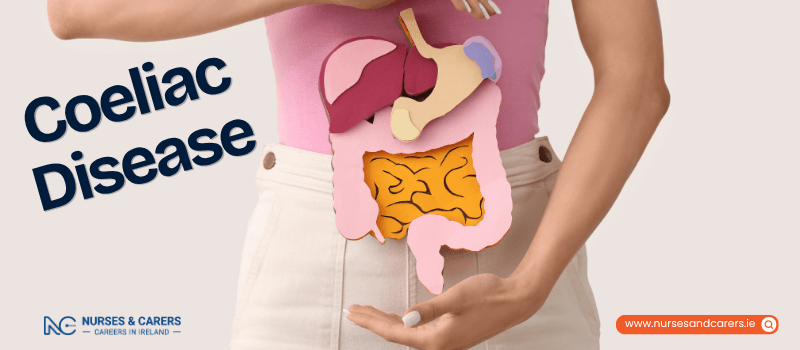
Coeliac disease is a common, chronic digestive condition where the lining of the small intestine becomes chronically inflamed and damaged, impairing the body's ability to absorb vital nutrients. This damage is triggered by an adverse reaction to gluten, a dietary protein matrix found naturally in three types of cereal grains:
Wheat (including spelt, durum, and semolina)
Barley
Rye
Gluten is a foundational ingredient in many standard grocery items, meaning it is commonly found in pasta, cakes, breakfast cereals, most breads, commercial sauces, processed ready meals, and the majority of standard beers.
Symptom Presentation
Ingesting gluten triggers a wide range of gastrointestinal and systemic symptoms. Because symptoms can present differently from person to person, cases are sometimes misdiagnosed as Irritable Bowel Syndrome (IBS).
Gastrointestinal Symptoms
Chronic diarrhea or loose stools.
Persistent abdominal pain and cramping.
Abdominal bloating, distension, and excessive flatulence.
Frequent indigestion, acid reflux, or chronic constipation.
Systemic and Neurological Symptoms
Severe fatigue and lethargy, often driven by malnutrition or a lack of nutrient absorption.
Unexpected, unexplained weight loss.
Dermatitis herpetiformis (an intensely itchy, blistering skin rash).
Reproductive difficulties, including unexplained infertility.
Peripheral nerve damage (neuropathy) causing tingling or numbness.
Neurological coordination deficits affecting balance and speech (ataxia).
Pediatric Symptoms
Children with untreated coeliac disease frequently display a failure to thrive, meaning they may not grow at the expected developmental rate, experience delayed puberty, or exhibit poor enamel development in their teeth.
Pathophysiology and Causes
Coeliac disease is an autoimmune condition, meaning the body's immune system mistakenly identifies a harmless substance as an active threat.
The Mechanism: When gluten is ingested, the immune system mistakes the protein fragments as a pathogen and launches an inflammatory attack against the healthy tissue of the small intestine. This flattens the tiny, nutrient-absorbing structures called villi.
The Distinction: Coeliac disease is not a food allergy, nor is it a simple food intolerance.
Risk Factors: The exact cause of this autoimmune response remains unknown, but it is heavily linked to a combination of genetic markers and environmental triggers.
Epidemiology: Who Is Affected?
Coeliac disease is highly prevalent, affecting approximately 1 in every 100 people in Ireland. However, because mild or atypical cases frequently go undiagnosed, the true number may be significantly higher.
Demographics: Diagnosed cases are 2 to 3 times more prevalent in women than in men. It can manifest at any age, though clinical presentation peaks during two life stages: early infancy (between 8 and 12 months, when gluten is introduced to the diet) and later adulthood (between 40 and 60 years of age).
High-Risk Profiles: The probability of developing coeliac disease increases substantially if you have a first-degree relative (parent or sibling) with the condition, or if you live with any of the following diagnoses:
Type 1 diabetes
Autoimmune thyroid disease
Down's syndrome
Turner syndrome
Diagnostics and Treatment
Routine population-wide screening for coeliac disease is not conducted in Ireland; clinical testing is targeted at individuals displaying symptoms or those within high-risk categories.
Diagnostic Protocol: If you suspect you have the condition, you must continue eating a gluten-containing diet throughout the entire testing process. Eliminating gluten prematurely can cause false-negative results on the blood tests and diagnostic endoscopic biopsies used to confirm the disease.
Clinical Management: There is currently no medical cure for coeliac disease. The only effective treatment is strict, lifelong adherence to a gluten-free diet.
Complication Prevention: Transitioning to a gluten-free lifestyle is mandatory even for individuals with mild or completely absent symptoms. Continual exposure to gluten—even in tiny, microscopic amounts—erodes the gut wall and elevates the risk of severe long-term health complications.
Sourcing Alternatives: Due to increased medical awareness, an extensive range of certified gluten-free foods, flour alternatives, and dedicated restaurant menus are widely available, making it straightforward to maintain a balanced, nutritious diet.
Long-Term Health Complications
Chronic, unmanaged exposure to gluten in individuals with coeliac disease leads to sustained malnutrition and severe secondary health conditions, including:
Osteoporosis: Weakening of the skeletal system due to poor calcium and vitamin D absorption.
Hematological Anemias: Chronic iron-deficiency anemia, or vitamin B12 and folate-deficiency anemias.
Obstetric Risks: Increased rates of miscarriage or giving birth to low birth weight infants.
Oncological Risks: A small, statistically elevated risk of developing specific gastrointestinal malignancies, such as small bowel cancer.
National Support Networks
The Coeliac Society of Ireland (coeliac.ie) is the national charity dedicated to supporting individuals living with the condition. They provide comprehensive, evidence-based toolkits, including:
Regularly updated digital and print food safety lookup guides.
Dedicated dietetic resources and gluten-free meal planning templates.
Access to local peer support networks, community cooking workshops, and national advocacy campaigns.
Disclaimer
The information provided here is for educational and informational purposes only. It does not constitute medical advice, diagnosis, or treatment. Always consult a qualified healthcare professional or your GP for specific medical concerns, diagnoses, or health advice. Never disregard professional medical advice or delay seeking it because of information you have read here.