
Cold Sores
7 Sept 2026 · 5 min read
On this page14 sections
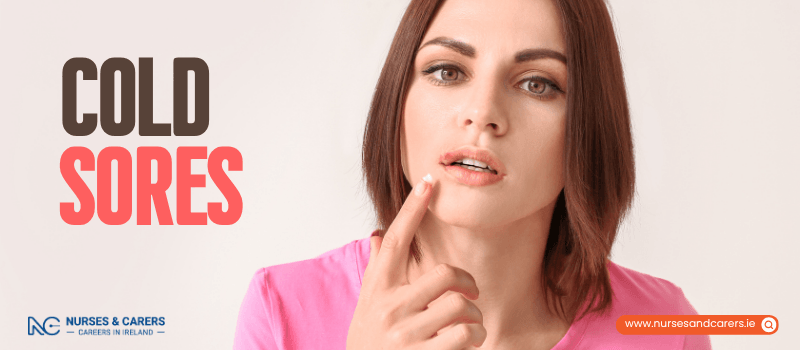
Cold Sores are small, fluid-filled blisters caused by the herpes simplex virus (HSV). They typically manifest on the face—most commonly on or around the lips—though they can present on the genitals in adults. Cold sores are highly contagious and usually clear up independently within 10 days without leaving a permanent scar.
Initial Exposure: Most individuals are exposed to the virus during early childhood through close skin-to-skin contact with an infected individual.
Vulnerability Warning: The virus can be transmitted easily to others. It is highly dangerous to infants and can be fatal to newborn babies.
Symptom Presentation
Adult Symptoms
Prodrome phase: The infection usually begins with a distinct tingling, itching, or burning sensation around the mouth.
Blistering phase: Within 48 hours, small, fluid-filled blisters emerge, fluid leaks from the lesions, and they eventually crust over into a dry scab.
Pediatric Symptoms
In children, the presentation can be more widespread and distressing, often featuring clusters of blisters both inside and outside the mouth and across the tongue.
Accompanying symptoms: High fever, sore throat, severely inflamed or bleeding gums (gingivostomatitis), swollen lymph glands, excess salivation, headaches, and a refusal to drink fluids due to localized pain.
Risk of auto-inoculation: Children can accidentally spread the virus to other areas of their own body:
To their fingers if they engage in finger or thumb sucking.
To their eyes if they touch an open, weeping sore and then rub their eyes.
Critical Danger to Infants: Neonatal Herpes and Encephalitis
Cold sores pose severe, life-threatening risks to newborns and young children. Direct transmission can cause neonatal herpes, an exceptionally grave medical condition.
Prevention for Caregivers
If you have an active cold sore or feel the prodromal tingling:
Strict restriction: Never kiss a baby.
Hand hygiene: Wash your hands thoroughly with soap and warm water before any contact with your infant.
Breastfeeding modifications: Cover active cold sores completely prior to feeding. Wash your hands if you accidentally touch the sore, and never allow an active lesion to touch your breast or the baby's skin.
Emergency Action Protocol
In rare cases, the herpes virus can travel to a child's central nervous system, causing inflammation of the brain (encephalitis). Call 112 or 999 immediately, or proceed to the nearest hospital Emergency Department (ED) if your baby or child has a cold sore and exhibits any of the following neurological or respiratory signs:
Severe confusion, behavioral changes, or acute irritability.
Slurred speech or difficulty speaking.
Extreme drowsiness, lethargy, or being difficult to wake.
Becoming physically floppy or unresponsive.
Seizures or fits.
Respiratory distress, including fast breathing, grunting, or a blue tint to the tongue and skin (cyanosis).
Evidence-Based Home Management
Do
Hydrate: Maintain high fluid intake to prevent dehydration.
Dietary adjustment: Consume cool, soft foods to minimize irritation.
Sanitize: Wash hands frequently with soap and warm water, and launder an infected child’s clothing and linens separately.
Sun protection: Apply a lip balm containing sunblock (SPF 15 or higher) when outdoors, as ultraviolet light is a known viral trigger.
Manage pain: Take paracetamol or ibuprofen to alleviate pain and swelling. Use liquid formulations for children. Never give aspirin to anyone under the age of 16.
Don't
Touch lesions: Avoid touching or picking at cold sores, except when applying therapeutic creams.
Share items: Do not share cutlery, cups, towels, or cold sore treatment tubes.
Engage in close contact: Do not kiss anyone while you have an active sore, and do not permit anyone with a cold sore to kiss your child.
Irritate tissue: Avoid eating salty, spicy, citrus, or highly acidic foods, as they will cause severe stinging.
Pharmacological and Clinical Treatments
Pharmacy Care
A pharmacist can diagnose and manage cold sores directly through the Common Conditions Service (a professional fee applies). Over-the-counter options include:
Soothing topicals: Creams to relieve localized pain, burning, and irritation.
Hydrocolloid patches: Cold sore patches that cover and protect the raw skin while it undergoes epithelial healing.
Antiviral creams: Pharmacists can dispense or prescribe topical antivirals. These must be applied at the very first sign of prodromal tingling; they provide minimal clinical benefit once the fluid blisters have fully formed.
GP Intervention
Consult a General Practitioner for specialized management under specific criteria:
Oral antivirals: Your GP may prescribe systemic antiviral tablets if your cold sores are exceptionally large, highly painful, or recur frequently.
Escalation thresholds: Contact your doctor if:
The cold sore shows no signs of healing after 10 days.
You suspect the lesion is a different type of infection.
The child develops blisters on their eyelids or close to their eyes.
The individual has a severely compromised immune system or is pregnant.
School, Childcare, and Public Activities
Children with active cold sores do not need to be automatically excluded from school, preschool, or childcare, provided they feel physically well. However, they must be instructed to strictly avoid close contact sports, sharing toys, or rough physical play with other children until the lesion has completely healed and dried over.
Disclaimer
The information provided here is for educational and informational purposes only. It does not constitute medical advice, diagnosis, or treatment. Always consult a qualified healthcare professional or your GP for specific medical concerns, diagnoses, or health advice. Never disregard professional medical advice or delay seeking it because of information you have read here.