
Contact Dermatitis
7 Sept 2026 · 14 min read
On this page39 sections
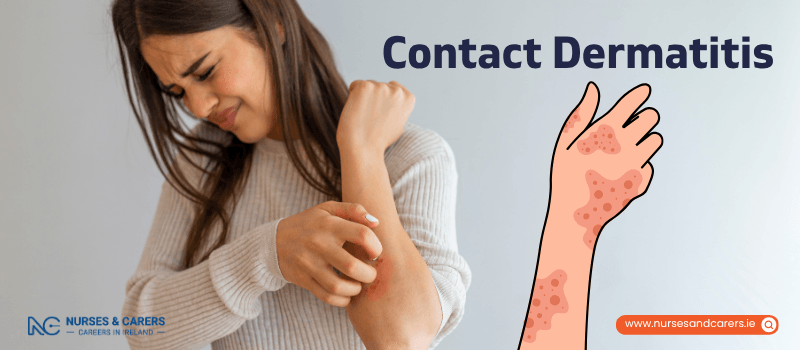
Dermatitis refers to a group of conditions that cause the skin to become dry, itchy, and inflamed; it is also frequently referred to as eczema. Contact dermatitis specifically occurs when your skin physically interacts with an environmental trigger.
Symptoms generally clear up if you can successfully identify and avoid the substance causing the reaction.
Types and Causes of Contact Dermatitis
The condition is divided into two primary categories based on how the skin reacts to the trigger:
1. Irritant Contact Dermatitis
This occurs when a substance directly damages the protective outer layer of the skin. It can affect anyone who has sufficient contact with the irritant. Common examples include:
Harsh soaps, bleach, and chemical detergents.
Frequent contact with water or excessive handwashing.
2. Allergic Contact Dermatitis
This is a delayed immune system response to an environmental allergen. If you have an underlying allergy, even microscopic exposure can trigger an inflammatory reaction. Because the flare-up is often delayed, pinpointing the exact allergen can be difficult. Common allergens include:
Cosmetic Ingredients: Fragrances, chemical preservatives, hair dyes, and nail varnish hardeners.
Metals: Nickel or cobalt, which are frequently used in jewelry, belt buckles, and watch straps.
Identifying Symptoms
Contact dermatitis most commonly surfaces on the hands and face, though it can impact any part of the body. Affected skin may become:
Intensely itchy, dry, cracked, or blistered.
Swollen and inflamed.
Color Changes: The inflammation typically appears red on lighter skin tones, and dark brown, purple, or grey on black or brown skin tones.
Prevention and At-Home Care
The primary method of prevention is avoiding direct contact with your known triggers. When exposure cannot be avoided entirely, implement these lifestyle modifications:
Do:
Wear Gloves: Use protective gloves whenever you work with water, cleaning chemicals, or industrial substances.
Moisturize Heavily: Apply bland, unscented emollients (moisturizers) frequently and in large quantities throughout the day to repair the skin barrier.
Use Soap Substitutes: Switch from standard bar or liquid soaps to emollient soap substitutes, which cleanse without stripping the skin's natural oils.
Simplify Skincare: Stick to simple, non-fragranced skin products, or switch brands if you suspect a reaction.
Pharmacy and Medical Treatments
Pharmacist Guidance: If symptoms are mild but uncomfortable, a pharmacist can recommend non-prescription barrier creams, emollients, and soap-free body washes.
Prescription Treatments: If you present with severe inflammation, a GP may prescribe topical corticosteroids(steroid creams or ointments) to rapidly suppress the immune response and reduce swelling.
Specialist Referrals
Your GP will refer you to a dermatologist (skin specialist) if your symptoms fail to improve with medical treatment, if the flare-ups are severe and recurrent, or if you require specialized patch testing to identify an unknown allergen.
When to Seek Medical Attention
📞 Contact Your GP If:
Your skin symptoms are severe, widespread, or highly painful.
The dermatitis recurs frequently without an obvious trigger.
You cannot identify what is causing the skin reaction.
Your skin shows signs of infection (such as oozing pus, severe crusting, or increased warmth and swelling).
Symptoms of Contact Dermatitis
Contact dermatitis causes the skin to become irritated, inflamed, and highly uncomfortable. While it can surface anywhere on the body, it develops most frequently on the hands and face.
Depending on your skin tone, the visual appearance of the rash varies:
Lighter Skin Tones: The affected areas typically look visibly red.
Darker Skin Tones (Black or Brown): The patches often appear dark brown, purple, or grey.
Core Physical Signs
The primary physical indicators of contact dermatitis include:
Skin that feels intensely itchy, dry, cracked, or tender to the touch.
Localized swelling and inflammation.
A painful burning or stinging sensation.
Severe Reactions: The skin may blister, weep fluid, or develop a crusty texture.
Timing: Irritants vs. Allergens
The timeline and spread of your symptoms depend heavily on whether the reaction was triggered by a skin irritant or an environmental allergen:
1. If Triggered by an Irritant
Irritants physically damage the skin's protective outer layer and can affect anyone.
Timeline: Symptoms typically surface immediately or within 48 hours of contact.
Triggers: Can happen after a single exposure to a harsh chemical, or gradually after frequent contact with milder substances like everyday soaps or detergents.
Location: The rash is strictly confined to the exact area of skin that touched the irritant (most commonly the hands).
2. If Triggered by an Allergen
Allergen reactions are an immune response that only affects individuals who have become sensitized to a specific substance.
Timeline: This is a delayed reaction. Symptoms take 24 to 72 hours to develop after exposure.
Location: While the rash usually starts where the allergen touched the skin, it can easily spread to other areas of the body via cross-contamination (for example, if you touch an allergen and then rub your eyes or genitals).
Long-Term Signs: Over time, chronic exposure can cause the skin to become scaly, dry, and significantly thickened.
Secondary Skin Infections
Skin that is cracked, blistered, or frequently scratched due to contact dermatitis is highly vulnerable to secondary bacterial infections.
📞 Contact Your GP (Non-Urgent) If You Notice Signs of Infection:
Your existing skin symptoms rapidly or progressively worsen.
Liquid, pus, or an unusual discharge begins oozing from your skin.
You experience a sudden increase in localized pain or throbbing.
You begin feeling generally unwell, hot, or shivery.
Causes of Contact Dermatitis
Contact dermatitis occurs when your skin reacts to environmental substances. These substances are broadly categorized into allergens, which trigger a delayed immune response, and irritants, which cause direct physical damage to the skin's surface.
Allergic Contact Dermatitis
Allergic contact dermatitis is a delayed hypersensitivity reaction. It only occurs in individuals whose immune systems have become sensitized to a specific substance.
The Sensitization Process: The first time your skin touches an allergen, your body registers the substance but does not react immediately.
The Reaction Phase: Upon subsequent exposures, your immune system mounts an inflammatory response. This reaction can trigger immediately on the second exposure, or it may take months or years of repeated contact to manifest.
Key Characteristics: Even a microscopic amount of the allergen can induce intense itching and widespread inflammation. Because the reaction is delayed, identifying the precise root cause can be clinically challenging.
Common Environmental Allergens:
Cosmetics: Chemical preservatives, fragrances, synthetic hair dyes, and acrylic nail varnish hardeners.
Metals: Nickel or cobalt, which are frequently found in jewelry, watches, zips, and belt buckles.
Materials & Adhesives: Natural rubber, latex, and industrial glues like epoxy resins.
Textiles: Specific clothing dyes and finishes, such as finishing resins used in manufacturing.
Irritant Contact Dermatitis
Irritant contact dermatitis is a non-allergic skin reaction that can affect anyone exposed to a sufficiently harsh substance. It occurs when a chemical or physical agent actively strips away the skin's protective moisture barrier and damages its outer layer.
Environmental Modifiers: Environmental factors like extreme heat, intense cold, very dry air, and physical friction against the skin will significantly worsen irritant symptoms.
Common Everyday Irritants:
Soaps, household detergents, and chemical cleaning agents.
Alcohol-based hand sanitizers.
Prolonged Moisture: Constant water exposure or frequent handwashing.
Biological Fluids: Saliva (the primary cause of infant dribble rashes) and urine (the primary cause of nappy rash).
Occupational Dermatitis (Workplace Risks)
If your skin regularly interacts with chemical irritants, allergens, or water as a primary part of your daily job, you face a significantly higher risk of developing occupational dermatitis.
Industries and professions with the highest documented rates of workplace skin damage include:
Healthcare & Services: Health and social care workers, cleaners, beauticians, and hairdressers.
Food & Agriculture: Cooks, caterers, and agricultural workers.
Industrial & Trade: Construction workers, chemical plant workers, machine operators, mechanics, vehicle assemblers, and electronics technicians.
Diagnosing Contact Dermatitis
A GP can typically diagnose contact dermatitis by visually examining the rash on your skin. To identify whether an irritant or an allergen is triggering your symptoms, your doctor will perform a thorough assessment of your medical history and lifestyle.
The Clinical Assessment
During your appointment, your GP will ask targeted questions to trace the source of the inflammation:
Symptom Timeline: Exactly when the rash first appeared and how quickly it developed.
Environmental Exposure: Any specific chemicals, materials, or products your skin has recently touched.
Work and Lifestyle: Your daily job duties, hobbies, and the household products you use.
Family History: Whether any close relatives live with eczema or other forms of dermatitis.
Tip: If you have not yet identified the cause of your rash, proactively avoiding everyday hand soaps and heavily fragranced bath products can help calm your skin while you wait for a diagnosis.
Specialist Dermatology Referrals
Your GP will refer you to a dermatologist (skin specialist) for advanced evaluation if:
They suspect an underlying allergy is causing your symptoms.
You cannot identify the specific substance triggering your flare-ups.
Your skin symptoms fail to improve after using standard medical treatments.
Testing for Allergens: Patch Testing
If an allergy is suspected, a dermatologist who specializes in skin allergies will perform a patch test. This is the standard diagnostic tool used to confirm allergic contact dermatitis.
How a Patch Test Works:
Application: The specialist applies a specialized hypoallergenic tape to your back (or occasionally your upper arm or abdomen). This tape contains distinct patches, each containing a tiny, controlled amount of a common allergen.
First Reading: You return to the clinic after a few days. The specialist removes the tape and checks your skin for localized swelling, redness, or blistering.
Second Reading: You return for a final check a few days later, as some allergic responses take longer to develop.
Strict Rules During the Testing Period:
To ensure the test results are completely accurate, you must keep the test area entirely dry. For the duration of the test, you must avoid:
Showers and baths (opt for careful sponge baths instead).
Intense exercise or activities that cause heavy sweating.
Testing for Irritants
Unlike allergies, there is no reliable diagnostic skin test for irritants. Patch testing for irritant contact dermatitis is clinically unreliable.
Instead, an irritant is diagnosed through an elimination process. If you completely avoid contact with a suspected substance (such as a specific household cleaner or harsh soap) and your skin symptoms significantly improve or clear up, that substance is confirmed as the cause.
Medical Treatment for Contact Dermatitis
The primary, most effective treatment for contact dermatitis is identifying and entirely avoiding the substance triggering the reaction. When avoidance is impossible or while you are waiting for your skin to clear, targeted medical therapies are used to suppress inflammation, relieve itching, and repair the skin barrier.
1. Environmental Avoidance and Workplace Safety
Identify Triggers: Work closely with a pharmacist, GP, or dermatologist to trace the source of your flare-ups.
Workplace Protection: If your job requires contact with chemical irritants, allergens, or constant water exposure, wear appropriate protective clothing and gloves.
Employer Notification: Proactively inform your employer or occupational health department so they can modify your tasks or provide safer product alternatives.
2. Emollients (Moisturising Barrier Repair)
Emollients are non-cosmetic medical moisturizers that cover the skin with a protective film, locking in moisture and shielding the skin from external irritants.
Frequency and Quantity: Apply emollients frequently throughout the day and in very large amounts. Maintain separate supplies at home, work, or school.
Finding the Right Match: Because dermatitis renders skin highly sensitive, you may need to try several varieties. Your GP might recommend a combination of a lighter cream for daytime and a thick ointment for overnight use.
❌ Adverse Reactions: If your skin stings, burns, or breaks out after using an emollient, stop using it immediately and consult your pharmacist for an alternative formula.
3. Topical Corticosteroids (Anti-Inflammatory Creams)
If your skin is physically sore, swollen, and actively inflamed, a GP will prescribe a topical corticosteroid (steroid cream or ointment) to rapidly reduce the inflammation. Depending on your skin tone, this suppresses the redness (on white skin) or the dark brown, purple, and grey patches (on black or brown skin).
Understanding Prescription Strengths
Your GP will match the potency of the steroid to the thickness of your skin and the severity of the flare-up:
High-Potency (Strong) Steroids: Prescribed for short-term use to control acute, severe flare-ups, or for areas with a thick outer skin layer, such as the palms of your hands and the soles of your feet.
Low-Potency (Weak) Steroids: Prescribed for mild dermatitis or highly sensitive, thin skin areas, including the face, genitals, and the creases of your joints.
Safe Application Protocol
To maximize safety and efficacy, follow these sequential steps (typically once per day):
Apply the Steroid: Smooth a thin layer of the corticosteroid ointment or cream exclusively over the actively affected patches of skin.
Wait 30 Minutes: Allow the steroid medication to absorb fully into the skin.
Apply the Emollient: After the 30-minute window, apply your standard emollient over the area.
Note: You should see a noticeable improvement within a few days. If your symptoms show no change or get worse, contact your GP.
Side Effects and Safety Rules
Common Side Effects: A mild, temporary burning or stinging sensation immediately after application is normal and typically subsides within a few minutes.
Minimizing Risk: Prolonged use or excessive application of strong topical steroids increases the risk of side effects like skin thinning. Always use the weakest strength and the smallest amount necessary to control your symptoms, adhering strictly to your patient information leaflet.
Advanced Specialist Treatments
If your contact dermatitis is exceptionally severe, covers a widespread area of your body, or fails to respond to topical therapy, your GP will refer you to a dermatologist. Specialist medical interventions include:
Oral Corticosteroids: A short course of steroid tablets to rapidly control full-body inflammation.
Immunosuppressant Therapy: Advanced prescription medications that control severe skin inflammation by systematically calming an overactive immune response.
Disclaimer
The information provided here is for educational and informational purposes only. It does not constitute medical advice, diagnosis, or treatment. Always consult a qualified healthcare professional or your GP for specific medical concerns, diagnoses, or health advice. Never disregard professional medical advice or delay seeking it because of information you have read here.