
Rashes
17 Sept 2026 · 2 min read
On this page10 sections
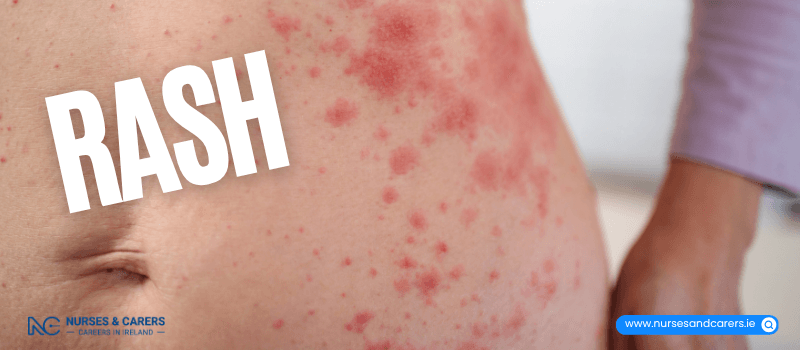
A rash causes your skin to break out in bumps, spots, or patches. These areas typically appear red on white skin, and grey, purple, or dark brown on black or brown skin.
Emergency Warning: Meningitis Signs
Go to an Emergency Department or your GP immediately if a rash is accompanied by any of the following symptoms:
A severe headache
Vomiting
A high temperature (fever)
A stiff neck
Extreme sensitivity to light
Quick Diagnostic Guide
Rash + Feeling Unwell: Likely an infection. Viral or bacterial infections require medical evaluation.
Rash + Feeling Well: Likely an allergic reaction (such as hives) or a contact reaction from something touching your skin.
Common Types of Rashes
1. Hives (Urticaria)
Hives appear as raised, intensely itchy bumps or patches of various shapes and sizes.
Common Triggers: Insect bites/stings, nettles, certain foods, medicines, latex, heat, or exercise.
2. Heat Rash
A harmless but uncomfortable rash that usually resolves on its own within a few days. It is not contagious.
Symptoms: Tiny, raised spots (2mm to 4mm, sometimes fluid-filled) accompanied by an itchy, prickly sensation and mild swelling.
3. Common Childhood Rashes
Children frequently develop rashes from various conditions, including:
Eczema or Psoriasis
Nappy rash
Chickenpox
Slapped cheek syndrome
Impetigo
How to Treat a Rash
Allergic Reactions & Hives: Usually treated with over-the-counter antihistamine tablets. Speak to a pharmacist for advice.
Skin Soothing: Apply an emollient (moisturiser) and wash the area using a fragrance-free, soap-free cleanser.
Pain Relief: Paracetamol or ibuprofen can be taken to manage discomfort.
Note on Antibiotics: Antibiotics do not cure most rashes, as many are viral or allergic rather than bacterial.
When to See a GP (Non-Emergency)
Schedule a regular GP appointment if:
You have a rash and generally feel unwell (to check for underlying infections).
The rash persists for more than 2 weeks.
Disclaimer
The information provided here is for educational and informational purposes only. It does not constitute medical advice, diagnosis, or treatment. Always consult a qualified healthcare professional or your GP for specific medical concerns, diagnoses, or health advice. Never disregard professional medical advice or delay seeking it because of information you have read here.