
Corns and Calluses
7 Sept 2026 · 4 min read
On this page10 sections
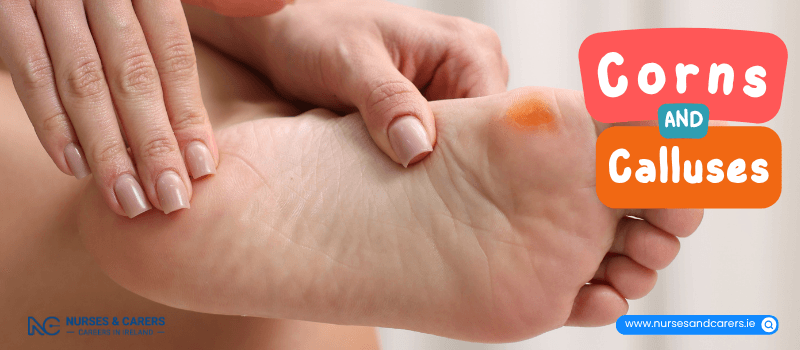
Corns and Calluses are hard, thickened areas of skin that develop to protect the underlying tissue from irritation. While they can become tender or painful, they are rarely serious. Most cases can be managed effectively at home through minor lifestyle changes and routine foot care.
Differentiating Corns and Calluses
These skin changes typically develop on the feet, toes, and hands, appearing red on lighter skin tones or grey, purple, or dark brown on darker skin tones.
Corns: Small, distinct, concentrated lumps of hard skin that often form on the tops and sides of the toes. They have a deep center that can press on nerves, causing sharp pain.
Calluses: Larger, broader patches of rough, thickened skin. They typically develop on the soles of the feet, heels, or the palms of the hands where repetitive friction occurs.
⚠️ Critical Health Warning: High-Risk Groups
If you live with diabetes, heart disease, or peripheral circulatory problems, do not attempt to self-treat corns and calluses.
Conditions that compromise your blood flow or nerve sensitivity make minor foot issues highly prone to severe infections and non-healing ulcers. If you belong to any of these high-risk groups, contact your GP or a qualified podiatrist immediately for professional care.
At-Home Treatment and Prevention
If you do not have an underlying circulatory condition, you can reduce friction and soften the thickened skin using these strategies:
Do:
Optimize Footwear: Wear wide, comfortable shoes with a low heel, a soft sole, and a spacious toe box that does not press against your skin.
Add Cushioning: Wear thick, well-cushioned socks to absorb impact, and use soft over-the-counter insoles or silicone heel pads inside your shoes.
Soak and File: Soak your feet regularly in warm water to soften the hard tissue. Afterward, gently use a pumice stone or foot file to buff away the top layers of dead skin.
Moisturise Daily: Apply a thick, intensive moisturizing cream to the area daily to maintain skin elasticity and prevent cracking.
Do Not:
❌ Do not attempt to cut, pare, or slice off corns or calluses yourself using scissors, clippers, or razor blades, as this carries a high risk of deep tissue injury and bacterial infection.
❌ Do not walk barefoot, especially on hard surfaces.
❌ Do not wear high heels, tight shoes, or narrow, pointy-toed footwear.
❌ Do not stand for extended periods or walk long distances while the area is actively inflamed.
Pharmacy and Professional Treatments
Pharmacist Guidance: Ask a pharmacist to recommend targeted gel sleeves, protective donut pads, or specialized insoles. They can also advise on over-the-counter mechanical treatments and safe pain relief options.
What a GP Can Do: A doctor can visually diagnose the lesion to differentiate it from a plantar wart (verruca), prescribe oral antibiotics if a secondary infection has developed, or formally refer you to a specialist.
Podiatry Treatments: A registered foot specialist (podiatrist) can provide advanced clinical treatments, including:
Safe, painless scalpel debridement (shaving away the hardened tissue).
Prescription-strength keratolytic patches to break down stubborn skin accumulation.
Creating custom orthotics or tailored padding to permanently redirect physical pressure away from the painful bony prominence.
Common Root Causes
Corns and calluses only form in response to repeated local pressure, friction, or shearing forces on the skin. Common triggers include:
Wearing ill-fitting shoes, high heels, or shoes that are too tight, too loose, or unbuckled.
Wearing shoes habitually without socks, which increases direct friction against the leather or fabric liner.
Repetitive manual labor, lifting heavy weights at the gym, or frequently playing stringed or percussion musical instruments without protective gloves.
When to Seek Medical Attention
📞 Contact Your GP If:
You have diabetes, heart disease, or poor leg circulation and notice a new corn or callus forming.
The affected skin breaks open, bleeds, or leaks any pus, fluid, or foul-smelling discharge.
The area shows no improvement or worsens after 3 weeks of dedicated home care.
Physical pain becomes severe or limits your mobility, preventing you from completing normal daily activities.
Disclaimer
The information provided here is for educational and informational purposes only. It does not constitute medical advice, diagnosis, or treatment. Always consult a qualified healthcare professional or your GP for specific medical concerns, diagnoses, or health advice. Never disregard professional medical advice or delay seeking it because of information you have read here.