
Coronary Artery Bypass Graft (CABG)
7 Sept 2026 · 26 min read
On this page61 sections
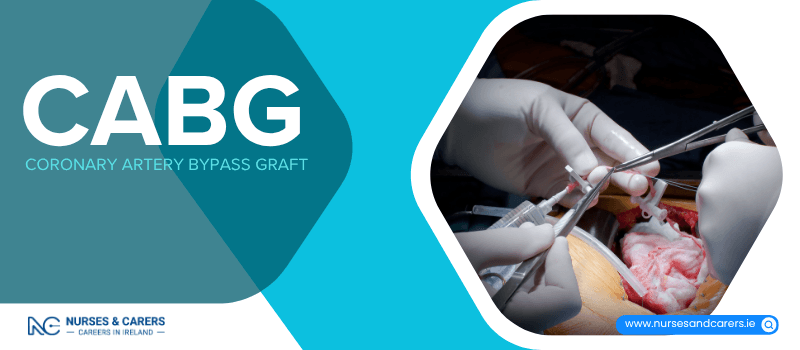
A Coronary Artery Bypass Graft (CABG) is a major surgical procedure used to treat advanced coronary heart disease. The surgery improves blood flow and oxygen delivery to the heart muscle by diverting blood around narrowed, blocked, or hardened segments of the major coronary arteries.
Why a CABG is Carried Out
The heart requires a continuous supply of oxygenated blood, which is delivered by the left and right coronary arteries. Over time, these blood vessels can become narrowed and rigid due to the accumulation of fatty plaques, a disease process known as atherosclerosis.
Atherosclerosis directly leads to coronary heart disease. While the risk increases naturally with age, it is significantly accelerated by lifestyle factors such as smoking, living with obesity, and consuming a high-fat diet.
Clinical Indications for Surgery:
Severe Angina: Angina is chest pain caused by reduced blood flow to the heart. While mild cases are manageable with prescription medications, severe or unstable angina often requires a CABG to restore adequate blood supply.
Heart Attack Prevention: If a fatty plaque ruptures, it can form a localized blood clot that entirely blocks blood flow, triggering a heart attack. A CABG bypasses these vulnerable areas, drastically lowering the risk of a future heart attack.
The Surgical Procedure
A CABG is a complex operation performed under a general anaesthetic (putting you completely to sleep) and typically takes between 3 and 6 hours to complete.
Harvesting the Graft: The cardiothoracic surgeon removes a healthy blood vessel from another area of your body—most commonly the inside of the chest wall (mammary artery), the leg (saphenous vein), or the arm (radial artery).
Creating the Bypass: This harvested vessel, known as the bypass graft, is meticulously sewn onto the damaged coronary artery above and below the blockage, successfully creating a new pathway for blood flow.
Volume of Grafts: The total number of bypass grafts required (e.g., a double, triple, or quadruple bypass) depends entirely on the severity of your heart disease and how many arteries are narrowed.
Timeline of Recovery
Hospitalization typically lasts 5 to 7 days immediately following the surgery. Everyone heals at a slightly different pace, but the standard physical recovery timeline includes:
Day 1: Assisting out of bed to sit upright in a chair.
Day 3: Commencing light, supervised walking down hospital corridors.
Day 5 or 6: Successfully navigating stairs under clinical guidance before being discharged home.
Weeks 1 to 6: Resting at home and strictly limiting physical exertion while the sternum (breastbone) begins to knit back together.
Week 6: A formal post-operative follow-up appointment with your clinical team. Most patients can safely return to driving, desk work, and sexual activity at this stage.
Week 12: Achieving a full physical recovery and returning to more strenuous tasks.
Surgical Risks and Complications
Because cardiac surgery is performed to treat life-threatening conditions, it carries real medical risks.
Temporary Issues: Post-operative complications can include an irregular heart rhythm (arrhythmia) or localized surgical wound infections. These issues require medical management and may prolong your hospital stay.
Long-Term Issues: A small percentage of patients may experience severe complications with permanent neurological or physical consequences, such as a stroke.
Post-Surgery Outlook and Lifestyle Safety
Following a successful CABG, patients experience an immediate reduction in chest pain and breathlessness, alongside a significantly reduced risk of heart attacks.
⚠️ A CABG is not a permanent cure for coronary heart disease.
If you do not implement strict, permanent lifestyle changes—including eating a heart-healthy diet, stopping smoking completely, and exercising regularly—your newly grafted arteries will eventually undergo atherosclerosis, narrowing and hardening just like the original blood vessels. If this occurs, you may need a repeat CABG or a coronary angioplasty.
Alternative Treatments: Coronary Angioplasty
The primary medical alternative to a CABG is a coronary angioplasty, a minimally invasive procedure with a significantly shorter recovery time.
The Process: A long, flexible tube (catheter) is inserted through a blood vessel in your groin or arm and guided to the heart using X-ray imaging. A tiny balloon at the tip is inflated to physically widen the narrowed artery, and a small mesh metal tube called a stent is left behind to keep the vessel open.
Limitations: While an angioplasty is less physically demanding than open-heart surgery, it carries a higher statistical risk of needing to be repeated in the future. Furthermore, an angioplasty is completely unsuitable if multiple major coronary arteries are blocked or if the blood vessels near your heart have an abnormal anatomical structure.
Getting Ready for a Coronary Artery Bypass Graft (CABG)
Thoroughly preparing for your hospital admission and post-operative home care ensures a smoother recovery process and minimizes the risk of complications following open-heart surgery.
Home and Logistics Preparation
Because you will need to restrict physical exertion immediately after discharge, arrange your logistics well before your admission date:
Arrange Home Help: Ask a family member or friend to stay with you or assist you at home for at least 1 to 2 weeks after you leave the hospital.
Secure Transport: Coordinate with a relative, friend, or taxi service for round-trip transportation to and from the hospital. You will not be legally or physically cleared to drive yourself.
Stock Your Kitchen: Pre-purchase easy-to-prepare food staples (like rice and pasta) and stock your freezer with pre-made, nutrient-dense meals that only require simple reheating.
Pre-Admission Hygiene: Immediately before entering the hospital, take a thorough bath or shower, cut your fingernails and toenails, and wash your hair. Put on freshly laundered clothes. This lowers the volume of environmental bacteria on your skin and significantly reduces your risk of a post-operative surgical site infection.
The Pre-Admission Assessment Clinic
Several days or weeks before your surgery, you will attend a pre-admission clinic to meet members of your surgical and anesthesia care team.
1. Medical Screenings and Tests
To ensure your body is strong enough for major surgery, you will undergo a comprehensive physical examination and diagnostic testing, including:
Blood Tests: To evaluate organ function, blood clotting capability, and blood counts.
Chest X-Ray: To check the structure of your lungs and thoracic cavity.
Electrocardiogram (ECG): Temporary sticky electrodes are attached to your arms, legs, and chest to record the electrical signals of your heart and detect underlying rhythm anomalies.
2. Clinical History Review
Your care team will systematically review your health background. Come prepared to discuss:
Medications: Provide a comprehensive list or bring the original packaging of all prescription pills, over-the-counter drugs, and herbal supplements you currently take. Your surgeon will tell you exactly which medications to pause before surgery (especially blood thinners).
Anesthetic History: Detail any previous surgeries and whether you or your family have ever had adverse reactions to general anesthesia.
Allergies: Declare any known sensitivities to medications, latex, adhesive tapes, or foods.
3. Surgical Fasting Guidelines
Your CABG will be performed under a general anaesthetic, meaning you will be completely asleep and free from pain. To prevent serious respiratory complications (aspiration) while unconscious, you must strictly fast (no food or drinks) for at least 6 hours before the operation.
4. Mandatory Smoking Cessation
If you smoke, you will be strongly advised to quit immediately before your surgery date. Smoking introduces carbon monoxide, lowers oxygen saturation, and compromises the immune system. Continuing to smoke directly spikes your risk of:
Developing a severe, life-threatening post-operative chest infection.
Sustaining deep vein thrombosis or arterial blood clots.
Experiencing severe delays in bone and skin wound healing.
Hospital Packing Checklist
Pack a small bag with essential items, but leave all unnecessary valuables, expensive jewelry, and large sums of cash at home.
Essential Items to Pack:
Clothing: A change of loose nightclothes, a warm dressing gown, comfortable slippers, and loose-fitting, button-up day clothes that do not press against a chest wound.
Medical Supplies: All of your current prescription medications in their original boxes.
Personal Care: Daily toiletries (toothbrush, toothpaste, hairbrush, unscented soap).
Recovery Distractions: Books, magazines, or puzzle pads to pass the time safely during early mobilization.
Contacts & Power: An address book containing important family phone numbers, your mobile phone, and a long phone charging cable. Note: Check your specific hospital's guidelines regarding mobile device and laptop usage in cardiac wards.
Nutrition: Small, healthy snacks to eat between standard hospital meal times.
How a Coronary Artery Bypass Graft (CABG) is Performed
A Coronary Artery Bypass Graft (CABG) is a highly technical, open-heart surgery performed by a cardiothoracic team. The operation generally lasts between 3 and 6 hours, depending entirely on the structural complexity of your heart disease and the total number of bypass grafts required.
Pre-Surgical Protocols
Consultation: The surgical team reviews the anatomical details of the coronary blockages and confirms the surgical approach. This provides an opportunity to address specific clinical questions.
Anesthesia Fasting: The procedure requires general anesthesia to ensure comfort and safety. To maintain a safe airway, patients must strictly avoid food and liquids for at least 6 hours prior to the operation. Specific medical instructions may permit small sips of water up to 2 hours before the procedure.
General Overview of the Procedure
1. Harvesting the Graft Vessels
Healthy blood vessels are selected to serve as the new pathways around the narrowed arteries. The secondary circulation in the donor areas naturally adapts to compensate for the removal.
Internal Mammary Artery: Located inside the chest wall, this vessel is frequently preferred due to its long-term durability and resistance to narrowing over time.
Saphenous Vein: Located in the leg.
Radial Artery: Located in the arm.
2. Accessing the Target Area
To perform the bypass, the surgical team creates an opening in the center of the chest to gain direct access to the heart, allowing for precise placement of the grafts.
3. Cardiopulmonary Support
During the delicate phase of attaching the grafts, standard protocols often involve stabilizing the circulatory system.
Circulatory Support: The patient's circulation may be connected to a heart-lung bypass machine, which maintains oxygenation and blood flow throughout the body.
Heart Stabilization: Special medical protocols are used to temporarily keep the heart still while the grafts are carefully integrated.
4. Attaching the Grafts
The selected vessels are connected above and below the blocked sections of the coronary arteries, creating a permanent detour for blood flow. Depending on the number of vessels bypassed, the procedure may be referred to as a double, triple, or quadruple bypass.
5. Restoring Circulation and Closure
Resuming Natural Rhythm: Once the bypass pathways are secure, the heart's natural rhythm is restored, and the patient is gradually disconnected from the support machine.
Structural Stabilization: The breastbone is securely realigned using permanent surgical wires to support proper bone healing.
Closure: The outer tissue and skin layers are closed using standard surgical techniques, such as dissolvable stitches.
Minimally Invasive Alternative: Endoscopic Saphenous Vein Harvesting (ESVH)
When leg veins are utilized for the grafts, the surgical team may opt for a traditional approach or a minimally invasive method known as Endoscopic Saphenous Vein Harvesting (ESVH).
The Technique:
Instead of a conventional long incision, small incisions are made near the knee.
An endoscope—a thin tube equipped with a light and camera—is inserted to allow the surgeon to view the internal structures on a monitor.
Specialized surgical instruments are used to carefully retrieve a segment of the vein with minimal disruption to the surrounding area.
Clinical Considerations:
Benefits: This method generally results in less post-operative scarring, reduced discomfort, and faster localized healing.
Considerations: Long-term clinical studies continue to evaluate the multi-decade durability of endoscopically harvested vein grafts compared to traditional open methods.
Recovering from a Coronary Artery Bypass Graft (CABG)
Hospitalization typically lasts 5 to 7 days immediately following your surgery, allowing the medical team to monitor your baseline stability and early healing.
Early Hospital Recovery
Post-Operative Support: In the intensive care and cardiac wards, you will temporarily be connected to specialized intravenous drips, monitoring leads, urinary catheters, and surgical chest drains to clear localized fluid and blood. These are progressively removed as your organs stabilize.
Pain Management: Discomfort, physical soreness, and cognitive grogginess are expected. Clinical staff will administer tailored painkillers to manage this; notify your nurse immediately if your pain scales upward.
Mobility Milestones
While individual recovery rates vary, the standard physical progression inside the hospital involves:
Day 1: Sitting upright in a bedside chair.
Day 3: Commencing short, supervised walks.
Day 5 or 6: Navigating stairs safely under physical therapy guidance prior to discharge.
Home Recovery and Wound Care
Most patients achieve a full physical recovery within 12 weeks, though complications during or after surgery can extend this timeline.
Energy Levels: Expect profound fatigue during the first 3 to 6 weeks. Your body expends immense metabolic energy to heal bone and deep tissues.
Clothing Tips: Wear loose-fitting, soft cotton clothing that does not rub against your incisions to minimize nerve irritation.
Surgical Closure: The internal metal wires stabilizing your divided breastbone (sternum) are permanent, beneath the surface, and will not cause physical sensation. The external skin stitches are designed to dissolve slowly over several weeks.
Scar Care: Incision sites on your chest, arms, or legs will appear prominently red or dark at first, but will gradually fade into silver lines over the following year. Keep your healing wounds thoroughly clean, dry, and protected from direct sunlight.
Rebuilding Daily Activities
Gradually increase your physical exertion over time, ensuring you integrate regular rest periods.
Weeks 1 to 2 (Light Activity): Confine yourself to short walks around the house, preparing light snacks, and lifting objects no heavier than a half-filled kettle.
Week 6 (Moderate Activity): Following a satisfactory review from your care team, you can generally resume driving, carrying light groceries, vacuuming, gentle gardening, and sexual activity.
Returning to Work: If your job is sedentary or desk-based, you can typically return in 6 to 8 weeks. If your occupation involves heavy manual labor, lifting, or intense physical strain, you will require a significantly longer recovery window.
Managing Expected Side Effects
Post-operative physical and emotional side effects are highly common and generally resolve naturally within 4 to 6 weeks as your pre-surgery stamina returns:
Total loss of appetite and sluggish bowel movements (constipation).
Musculoskeletal back pain and chest wall muscle soreness.
Insomnia, disrupted sleep cycles, and profound physical tiredness.
Localized swelling, numbness, or a "pins and needles" sensation along the limb where the blood vessel graft was harvested.
Emotional Swings: Experiencing a low mood, tearfulness, or anxiety is a normal physiological reaction to major cardiothoracic surgery. Focus on steady, weekly progress rather than daily fluctuations.
Cardiac Rehabilitation Programs
Most hospital networks provide a structured cardiac rehabilitation programme that commences a few weeks after discharge.
The Multidisciplinary Approach: Led by specialized cardiac nurses, physiotherapists, and dietitians, these programs provide monitored exercise training tailored to your heart health, dietary education, stress relaxation methods, and dedicated emotional peer support.
Enrollment: A rehab coordinator will discuss this with you before you leave the hospital to organize your entry into a local community or outpatient group.
Long-Term Secondary Prevention
A CABG bypasses specific arterial blockages, but it does not cure the underlying cardiovascular disease. To protect your new grafts from narrowing or hardening over the next decade, you must adopt a strict secondary prevention strategy:
Stop smoking tobacco or using nicotine delivery products immediately.
Consume a strict heart-healthy, low-saturated-fat diet.
Maintain a healthy weight and reduce abdominal body fat.
Strict moderation of alcohol consumption.
Engage in regular, cardiovascular exercise as prescribed by your rehab team.
Take all preventative prescription medications (such as antiplatelets, beta-blockers, and statins) exactly as directed.
When to Seek Immediate Medical Help
📞 Contact Your GP or Surgical Team Urgently If You Experience:
Severe, worsening, or throbbing pain in or around any incision.
Sudden redness, heat, or fluid swelling surrounding your wounds.
Yellow or green pus, or foul-smelling discharge oozing from the incisions.
A body temperature (fever) rising above 38°C.
A sudden, severe escalation in shortness of breath.
Unexplained, excessive night sweats.
Heart palpitations or a racing heartbeat that leaves you feeling dizzy, lightheaded, or faint.
Risks and Complications of a Coronary Artery Bypass Graft (CABG)
A Coronary Artery Bypass Graft (CABG) is a major open-heart procedure. While it provides substantial long-term benefits, it carries a defined risk of perioperative and post-operative complications. Your surgical team will evaluate your personal risk profile prior to the operation.
Potential Post-Operative Complications
1. Irregular Heartbeat (Arrhythmia)
A significant number of patients develop Atrial Fibrillation (AF) after cardiothoracic surgery. This temporary condition causes the upper chambers of the heart to beat irregularly and excessively fast. Post-surgical AF is usually transient and is highly manageable with standard prescription medications.
2. Surgical and Internal Infections
Infections can manifest externally at the physical incision sites (chest, leg, or arm wounds) or internally within the respiratory system or thoracic cavity.
Management: Most post-operative infections are successfully resolved using targeted courses of oral or intravenous antibiotics.
3. Reduced Kidney Function
The physical stress of surgery and cardiopulmonary bypass can temporarily diminish kidney function.
Recovery: In most instances, this decline is brief, and the kidneys recover fully within a few days or weeks.
Advanced Care: In rare, severe cases, a patient may require temporary dialysis—using a specialized machine to filter metabolic waste from the blood—until the kidneys regain natural function.
4. Neurological and Cognitive Complications
Cognitive Changes: Some patients experience short-term memory lapses or difficulty concentrating (e.g., struggling to focus while reading). This cognitive fog typically resolves gradually over the months following the operation, though it can occasionally become permanent.
Severe Neurological Events: There is an inherent risk of severe cerebrovascular complications during or immediately after the procedure, such as a stroke, which can cause long-term neurological deficits.
Key Factors That Increase Complication Risks
Your baseline statistical risk of experiencing complications depends heavily on your age, current medical health, and the nature of your surgery:
Advanced Age: The risk of surgical and systemic complications rises naturally with age.
Chronic Health Conditions: Co-existing medical conditions—such as diabetes, Chronic Obstructive Pulmonary Disease (COPD), or severe chronic kidney disease—strain the body's healing capacity.
Biological Sex: Women frequently develop coronary artery disease later in life than men. Because they are statistically older at the time of surgery, they face a higher baseline risk of complications.
Emergency Surgery: Procedures performed urgently to treat an acute heart attack carry a significantly higher risk. This is due to the lack of pre-operative preparation time and the reality that the heart muscle may already have sustained severe damage from the attack.
Surgical Complexity: Requiring three or more bypass grafts increases the total duration of the operation, which elevates the likelihood of post-operative complications.
Severe Obesity: Patients with a high Body Mass Index require a deeper surgical incision to allow the surgeon to access the heart. Deeper tissue cuts carry a statistically higher risk of localized wound infections and delayed healing.
Long-Term Management After a Coronary Artery Bypass Graft (CABG)
A coronary artery bypass graft (CABG) restores blood supply to your heart muscle, but it is not a permanent cure for coronary heart disease. To prevent the newly grafted blood vessels from narrowing and hardening over time, it is important to maintain strict secondary prevention measures through lifelong lifestyle changes and consistent adherence to prescribed medications.
Implementing a Heart-Healthy Lifestyle
1. Nutrition Adjustments
A diet high in saturated fats and sodium accelerates plaque build-up in your arteries. Transition to a diet low in saturated fat and salt, but high in dietary fiber and omega-3 fatty acids to manage cholesterol levels.
Foods to Limit or Avoid: Sausages, fatty cuts of meat, butter, cream, commercial cakes, and biscuits. Minimize added table salt.
Foods to Emphasize: Wholegrain starches (brown rice, wholemeal bread, whole-wheat pasta), a minimum of five daily portions of fruit and vegetables, and oily fish (such as mackerel or sardines) rich in omega-3.
Tip: Check nutrition labels when grocery shopping to select products with the lowest sodium levels.
2. Regular Physical Activity
Once cleared by the surgical team, regular cardiovascular movement is vital to reduce subsequent heart complications.
The Target: Aim for at least 150 minutes of moderate-intensity aerobic activity every week. This means exercising at a pace that makes you feel warm and slightly breathless, but still able to speak.
Optimal Activities: Brisk walking, level-ground cycling, hiking, doubles tennis, or pushing a lawnmower.
Pacing Rule: If starting from a low fitness baseline, begin with just 10 minutes of light walking per day and gradually increase the duration and intensity as stamina builds.
3. Weight Management
Achieving and maintaining a healthy body weight reduces the physical workload on the cardiovascular system.
The most effective method to lose excess body fat is combining a structured, calorie-controlled diet with a daily aerobic exercise routine.
Evaluation of current status can be done using tools like the HSE Safefood BMI Calculator to check a healthy weight range.
4. Mandatory Smoking Cessation
Smoking causes direct damage to the arterial lining, narrows the blood vessels, and elevates blood pressure.
HSE Support: A GP can refer patients to the structured HSE Stop Smoking programme for expert behavioral counseling and prescription cessation aids to manage nicotine withdrawal.
Freephone Support Line: Trained advisors can be contacted directly for free encouragement and guidance at 1800 201 203.
5. Alcohol Moderation
If consuming alcohol, it is important to strictly adhere to standard low-risk weekly guidelines. Regularly exceeding recommended limits raises baseline blood pressure and elevates cholesterol levels, directly multiplying the risk of future graft failure.
Lifelong Prescribed Medications
While a CABG often reduces the total number of pills required, continuing specific cardiovascular medications is essential to protect the heart.
1. Antiplatelets and Anticoagulants (Blood Thinners)
These medications alter the blood clotting mechanism to prevent dangerous clots from blocking new grafts.
Common Examples: Low-dose aspirin, clopidogrel, or warfarin.
Duration: Prescribed either for a distinct post-operative window or as a lifelong therapy. Missing doses significantly increases the immediate risk of a heart attack.
2. Statins (Cholesterol-Lowering Therapy)
Statins systematically lower low-density lipoprotein (LDL) cholesterol in the blood, preventing fatty deposits from forming inside the bypass grafts and remaining native arteries.
Common Examples: Atorvastatin (Lipitor), fluvastatin (Lescol), or simvastatin (Zocor).
Duration: In almost all clinical cases, statin therapy is prescribed for life.
3. Blood Pressure Modifiers
Depending on blood pressure baselines, underlying heart rhythm, and the exact reasons for surgery, a physician may prescribe:
Beta-Blockers: To slow the heart rate and lower blood pressure, reducing oxygen demand on the heart.
ACE Inhibitors: To relax blood vessels and minimize strain on the cardiac muscle.
Alternatives to a Coronary Artery Bypass Graft (CABG)
If you are diagnosed with coronary heart disease, surgery is not the only clinical pathway available. Depending on the severity of your arterial blockages, your age, and your overall health, your medical team may consider less invasive procedures or optimization of medical therapy.
1. Alternative Intervention: Coronary Angioplasty
A coronary angioplasty is the primary alternative procedure for revascularization (restoring blood flow) when the coronary arteries are severely narrowed but not fully occluded.
The Procedure: A long, flexible plastic tube called a catheter is inserted into a major blood vessel through a small incision in your arm or groin. Using real-time X-ray imaging, a cardiologist guides the tip of the catheter directly into the affected coronary arteries. A tiny balloon attached to the end is then inflated to physically widen the narrowed vessel.
Stenting: To prevent the vessel from collapsing after the balloon is deflated, a small mesh metal tube called a stent is left permanently in place to keep the artery open.
Safety Profile: Serious procedural complications are highly uncommon. Major adverse clinical events—such as a heart attack, stroke, or mortality—are estimated to occur in fewer than 1 in 100 cases.
Clinical Limitations
An angioplasty is completely unsuitable and will not be recommended if:
You have complex multi-vessel disease where a large number of coronary arteries are simultaneously narrowed or blocked.
The physical anatomy of the blood vessels surrounding your heart is structurally abnormal.
2. Comparing CABG vs. Angioplasty
If your clinical presentation allows you to choose between both procedures, it is important to weigh the respective advantages and disadvantages under the guidance of your cardiologist:
Feature | Coronary Angioplasty | Coronary Artery Bypass Graft (CABG) |
|---|---|---|
Invasiveness | Minimally invasive; performed via a small puncture in the arm or groin. | Highly invasive open-heart surgery requiring a full sternotomy (divided breastbone). |
Recovery Window | Short recovery time; most patients return to normal activities within days. | Long recovery time; requires 5 to 7 days in hospital and up to 12 weeks for a full recovery. |
Complication Risk | Lower baseline risk of immediate post-operative complications. | Higher risk of immediate complications (e.g., irregular heartbeats, wound infections). |
Long-Term Durability | Higher statistical risk of the artery narrowing again, requiring repeat procedures. | Highly durable; only 1 in 10 patients requires any form of follow-up treatment. |
Optimal Patient Groups | Suitable for single-vessel disease or low-complexity blockages. | Strongly preferred and more effective for patients over 65 and individuals living with diabetes. |
Note: The risk of an angioplasty failing or needing a repeat procedure has dropped significantly in recent years due to the standard deployment of drug-eluting stents. These specialized metal meshes are coated with clinical medication that slowly releases over time to prevent the artery from scarring and narrowing again.
3. Non-Surgical Alternative: Maximized Medical Therapy
For milder cases of coronary heart disease, or to manage the condition before it reaches a severe threshold, physicians utilize a combination of targeted prescription medications to control symptoms and halt disease progression:
Antiplatelets: Medications (such as low-dose aspirin or clopidogrel) that chemically inhibit blood platelets from clumping together, drastically reducing the risk of a blood clot triggering a heart attack.
Statins: Medications that aggressively lower high low-density lipoprotein (LDL) cholesterol levels in the bloodstream, stabilizing existing plaques and preventing further fat accumulation in the arterial walls.
Beta-Blockers and Nitrates: Medications that systematically lower high blood pressure, slow the resting heart rate, and dilate blood vessels. This dramatically reduces the workload and oxygen demand on the heart muscle, preventing bouts of angina (chest pain).
⚠️ When Medicine is Not Enough: While pharmacological therapies are excellent at controlling symptoms, they cannot physically remove severe structural blockages. A CABG remains the gold standard recommendation if your coronary heart disease is categorized as severe, or if your diagnostic tests reveal an exceptionally high risk of a life-threatening cardiac event.
Disclaimer
The information provided here is for educational and informational purposes only. It does not constitute medical advice, diagnosis, or treatment. Always consult a qualified healthcare professional or your GP for specific medical concerns, diagnoses, or health advice. Never disregard professional medical advice or delay seeking it because of information you have read here.