
Dengue Fever
8 Sept 2026 · 4 min read
On this page10 sections
Dengue fever is a viral infection caused by the dengue virus and transmitted to humans through the bites of infected mosquitoes. While the infection is typically mild and resolves within a week, it can occasionally progress to a severe, life-threatening condition.
The virus is not transmitted by native mosquitoes in Ireland; cases diagnosed there occur in individuals who have travelled to or lived in tropical and subtropical regions.
Symptoms of Dengue Fever
Symptoms typically appear suddenly, roughly 5 to 8 days after an infectious mosquito bite. Common signs include:
A high temperature (fever) of 38°C or above, often accompanied by chills or shivering.
A severe headache, particularly with intense pain behind the eyes.
Widespread muscle and joint pain.
Nausea, vomiting, abdominal pain, and a loss of appetite.
A widespread red skin rash.
While the acute illness generally passes after one week, it is normal to experience fatigue and general malaise for several weeks during recovery.
When to Seek Medical Advice
Non-Urgent Medical Consultation
Contact your General Practitioner (GP) if you develop a fever or flu-like symptoms within 2 weeks of returning from a country where the dengue virus is present. Be sure to inform the doctor of your exact travel history. If you display symptoms while currently living or travelling abroad in an endemic area, visit a local GP or hospital immediately. A blood test is required to officially confirm a dengue diagnosis.
Emergency Warning (Severe Dengue)
Severe dengue, also known as dengue haemorrhagic fever, is a rare but critical complication. The risk drops significantly for first-time travellers but rises if you are infected a second time by a different strain of the virus.
Call emergency services (112 or 999) immediately if you or someone else develops these warning signs of severe dengue:
Severe abdominal pain or a visibly swollen tummy.
Persistent vomiting, or vomiting blood.
Bleeding from the gums or bleeding underneath the skin (appearing as small purple or red spots).
Rapid breathing or difficulty breathing.
Cold, clammy skin accompanied by a weak but fast pulse.
Drowsiness, confusion, or loss of consciousness.
Treatment Guidelines
There is no specific antiviral cure for dengue fever. Treatment focuses entirely on managing and relieving symptoms while your immune system clears the virus:
Rest and Hydration: Get plenty of bed rest and drink abundant fluids to prevent dehydration. If travelling abroad, consume only properly sealed bottled water.
Pain Relief: Take paracetamol to manage fever and body aches.
Crucial Safety Warning: Do not take aspirin or ibuprofen. These medications thin the blood and can trigger dangerous bleeding complications in patients with dengue.
Geographical Risk Areas
The mosquitoes that transmit the dengue virus are active and bite primarily during the day. The virus is highly prevalent in parts of:
Southeast Asia and the Indian subcontinent.
South America, Central America, and the Caribbean.
Africa and the Pacific Islands.
Northern Australia and southern areas of North America.
Southern Europe: A seasonal risk exists from spring until November in countries such as Croatia, France, Italy, Spain, and Portugal (including Madeira).
Prevention and Vaccination
Because there are four distinct types (serotypes) of the dengue virus, contracting it once only protects you from that specific strain. You can catch dengue again from a different strain. Prevention relies on avoiding mosquito bites and vaccination where appropriate.
Vector Control and Protection
Insect Repellent: Apply repellents containing DEET to exposed skin and sleeping areas. Reapply regularly according to product instructions. Note: Do not use DEET sprays on infants under 2 months old; consult a pharmacist for alternatives.
Protective Clothing: Wear loose-fitting, long-sleeved shirts, long trousers, socks, and closed shoes. Mosquitoes can easily bite through tight clothing.
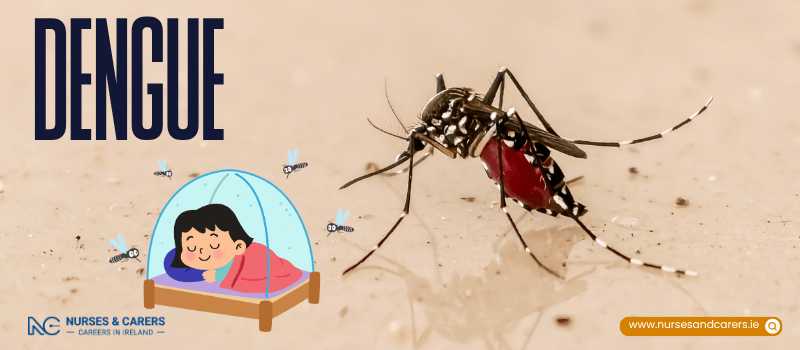
Sleeping Arrangements: Use a mosquito bed net, ideally one pre-treated with insecticide.
Environmental Awareness: Be mindful that dengue-carrying mosquitoes breed in stagnant, still water commonly found in urban environments.
The Dengue Vaccine
The Qdenga vaccine is available in Ireland to help protect against the disease. It contains weakened versions of all four dengue virus serotypes.
Eligibility: Approved for adults and children aged 4 and older.
Target Group: It is generally restricted to individuals who have previously had a confirmed case of dengue fever to prevent the development of severe dengue upon reinfection.
Contraindications: The vaccine cannot be administered to individuals with weakened immune systems, or those who are currently pregnant or breastfeeding.
Always consult a GP, practice nurse, or travel clinic well in advance of your trip to receive tailored health advice.
Disclaimer
The information provided here is for educational and informational purposes only. It does not constitute medical advice, diagnosis, or treatment. Always consult a qualified healthcare professional or your GP for specific medical concerns, diagnoses, or health advice. Never disregard professional medical advice or delay seeking it because of information you have read here.