
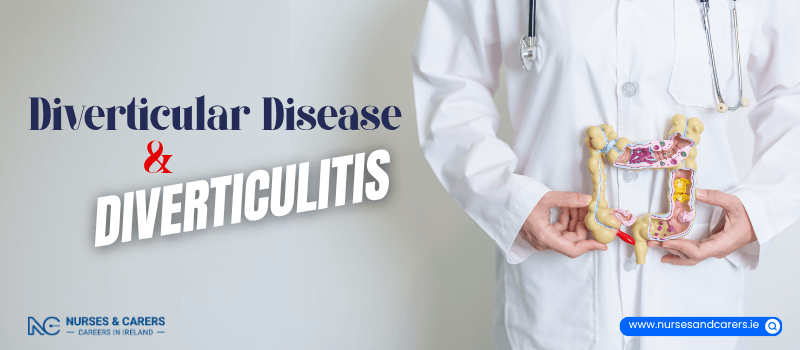
Diverticular Disease and Diverticulitis
9 Sept 2026 · 5 min read
On this page16 sections
Terminology and Classification
Diverticula are small pouches or bulges that form in the lining of the large intestine (colon) as a person ages. Depending on symptoms, this is classified into three stages:
Diverticulosis: Pouches are present but cause no symptoms. This is often discovered incidentally during scans for other medical reasons.
Diverticular Disease: Pouches are present and cause mild, intermittent symptoms.
Diverticulitis: Pouches become inflamed or infected, causing severe, sudden, and potentially serious illness.
Symptom Profile
Diverticular Disease (Mild to Moderate)
Intermittent tummy pain, usually in the lower-left side. Pain typically worsens during or shortly after eating, and eases after passing gas or moving your bowels.
Changes in bowel habits (constipation, diarrhoea, or alternating between both).
Blood in your stool.
Diverticulitis (Severe & Urgent)
Diverticulitis shares the symptoms listed above, but they develop rapidly alongside:
Constant, severe tummy pain that does not ease.
High temperature (fever).
Nausea and vomiting.
Feeling generally unwell or fatigued.
📌 Anatomical Note on Pain Location: Pain typically begins below the belly button and moves to the lower left-hand side. However, for people of East Asian descent, pain frequently manifests on the lower right-hand side due to a genetic predisposition to develop pouches in a different part of the colon.
When to Seek Medical Help
🚨 Urgent GP or Out-of-Hours Appointment Required If You Have:
Blood in your poo.
Severe, constant abdominal pain.
New symptoms of suspected diverticular disease or diverticulitis.
Note: If you have a prior diagnosis of diverticular disease and your symptoms are mild, you can generally manage the flare-up at home without contacting a doctor.
Primary Causes and Risk Factors
The exact cause is unknown, but a combination of weakening bowel walls and elevated pressure inside the colon allows these pouches to form.
Age: Colon walls weaken over time. The pressure required to push hard stools through the tract creates pouches. Most people develop some diverticula by age 80.
Diet & Lifestyle: A low-fibre diet leads to harder stools, increasing strain on the bowel. Other elevated risk factors include:
Smoking.
Obesity or carrying excess body weight.
A chronic history of constipation.
Long-term, regular use of NSAID painkillers (e.g., ibuprofen or aspirin).
Genetics: A family history of diverticular disease increases your risk, particularly if a close relative was diagnosed under the age of 50.
Diagnostic Procedures
Because symptoms overlap with conditions like Irritable Bowel Syndrome (IBS), coeliac disease, or bowel cancer, doctors use targeted diagnostic tests to confirm a diagnosis:
Blood Tests: Performed to check for elevated markers of infection or inflammation.
Colonoscopy: A thin, flexible tube with a camera (colonoscope) is inserted into the rectum to view the inner lining of the large bowel.
Preparation: Requires a laxative beforehand to clear the bowel.
Comfort: It may feel uncomfortable but should not be painful; sedatives are available to help you relax.
CT Scan (Computed Tomography): A specialized X-ray used to visualize the colon structure. It can be performed on its own or as a "virtual colonoscopy" following laxative preparation.
Treating Diverticular Disease (Mild/Chronic)
Treatment aims to ease daily symptoms, keep stools soft, and reduce pressure on the bowel walls.
Dietary Adjustment
High-Fibre Goal: Adults should gradually increase their intake to aim for 30g of fibre per day.
Key Sources: Whole fruits, vegetables, beans, pulses, nuts, cereals, and starchy foods (e.g., potatoes, wholemeal bread).
Supplements: Over-the-counter soluble fibre powders (mixed with water) can help reach daily targets.
Hydration Rule: Always drink plenty of fluids while increasing fibre to prevent bloating and gas.
Medication & Comfort
Pain Relief: Use paracetamol for discomfort. Avoid regular use of aspirin or ibuprofen (NSAIDs), as they aggravate the stomach and bowel lining.
Bowel Regulation: A GP may prescribe bulk-forming laxatives to regulate both constipation and chronic diarrhoea.
Treating Diverticulitis (Acute Infection/Inflammation)
Treatment focus shifts entirely toward resting the digestive system and wiping out active infection.
Dietary Adjustment
Phase 1 (Acute): A strict fluid-only diet may be recommended for a few days to minimize bowel activity.
Phase 2 (Recovery): A transition to a very low-fibre diet to rest the digestive system while healing.
Phase 3 (Post-Recovery): A gradual return to a high-fibre diet (30g/day) once all symptoms clear.
Medical Interventions
Home Care: Mild cases are treated at home with paracetamol and a course of prescription oral antibiotics.
Hospital Care: Severe cases require hospital admission for intravenous (IV) fluids and antibiotics, alongside stronger prescription painkillers.
Surgical Options
Surgery is reserved for severe complications and typically involves a colectomy (removing the damaged section of the large bowel). This is necessary if you experience:
Abscesses: Pus-filled cavities that must be surgically drained.
Bowel Obstruction: Physical blockages in the colon tract.
Note: Following a colectomy, a temporary or permanent colostomy may be required, where the bowel is routed to an external collection pouch (colostomy bag) on the abdomen.
Disclaimer
The information provided here is for educational and informational purposes only. It does not constitute medical advice, diagnosis, or treatment. Always consult a qualified healthcare professional or your GP for specific medical concerns, diagnoses, or health advice. Never disregard professional medical advice or delay seeking it because of information you have read here.