
Dizziness and Fainting in Pregnancy
9 Sept 2026 · 3 min read
On this page11 sections
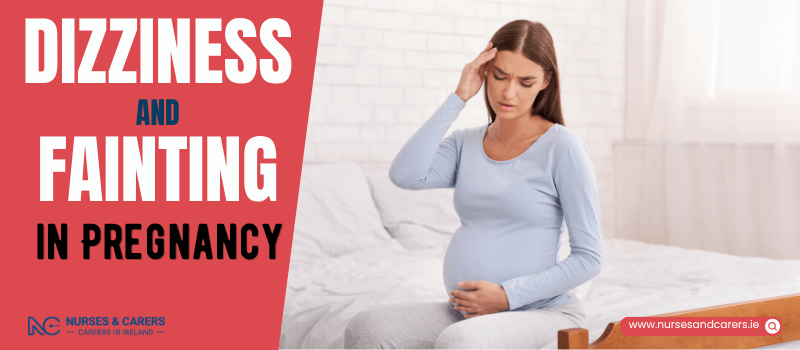
Dizziness is a common symptom in early pregnancy (weeks 0 to 13), often serving as an initial indicator of pregnancy.
Primary Causes
Hormonal Shifts: Hormones cause blood vessels to relax, dropping your blood pressure and reducing blood flow to the brain.
Maternal Health Factors: Overheating, low iron levels (anaemia), or low blood sugar from skipping meals.
Vascular Compression: Lying flat on your back during the second and third trimesters presses your growing uterus against the vena cava (a major blood vessel to the heart), rapidly reducing circulation.
Recognising the Signs of Fainting
Before fainting occurs, you may experience:
Lightheadedness or sudden confusion
Blurred vision, tunnel vision, or floating spots in your eyes
Ringing sounds in your ears (tinnitus)
Cold sweats, clammy skin, or sudden nausea
Unusually rapid or deep breathing
Action Steps: What to Do
If You Feel Faint Yourself
Do: Inform someone nearby immediately so they can assist you. Sit down and lower your head toward your knees, or lie down directly on your side. Take deep, slow breaths. Loosen tight clothing and ask someone to open a window for fresh air.
Don't: Do not attempt to walk or move locations while dizzy. Do not eat or drink immediately; wait until the sensation passes, then sip water and eat a small snack.
If You Witness a Pregnant Woman Faint
Immediate Aid: Gently guide her to the ground. Roll her onto her left side and pull her left knee upward toward her chest. Never leave a pregnant woman flat on her back. Stay with her until she recovers or help arrives.
🚨 Call 112 or 999 Immediately If She: Does not regain consciousness within 1 minute, experiences a fit or convulsion, or suffered a severe injury during the fall.
When to Seek Medical Advice
🚨 EMERGENCY ACTION: Go to the Emergency Department/Maternity Hospital Immediately If:
You feel dizzy or faint alongside any of these severe complications:
Vaginal bleeding or sharp abdominal pain
A severe, unyielding headache or severely blurred vision
Persistent, severe dizziness that will not go away
Shortness of breath, chest pain, or an irregular/very fast heartbeat
High blood pressure or a pre-eclampsia diagnosis
⚠️ Urgent Doctor Appointment (GP or Out-of-Hours GP):
If you hit your head when you fainted.
If this is the very first time you have ever fainted.
ℹ️ Non-Urgent Medical Advice (Contact GP or Midwife):
If your dizziness is accompanied by a mild headache or mild, intermittent blurry vision.
If you fainted and have high blood pressure, abdominal pain, or notice changes in your baby's movements.
If you fainted and fell directly onto your tummy.
Note: After a typical 20-second faint, it is normal to feel disoriented for a few seconds, and weak or tired for over 30 minutes. Rest immediately and do not drive; arrange for someone else to take you home.
Daily Prevention Checklist
Rise Slowly: Sit on the edge of the bed for a full minute before standing up.
Avoid Heat: Skip very hot baths or showers, and exit the bathroom slowly.
Eat Frequently: Do not skip meals; eat small, frequent portions even if dealing with morning sickness to keep blood sugar stable.
Hydrate: Maintain a high fluid intake throughout the day.
Stay Mobile: Avoid standing still for long periods; move frequently to stimulate circulation.
Position Correctly: Always sleep or rest on your side, completely avoiding your back from the second trimester onward.
Disclaimer
The information provided here is for educational and informational purposes only. It does not constitute medical advice, diagnosis, or treatment. Always consult a qualified healthcare professional or your GP for specific medical concerns, diagnoses, or health advice. Never disregard professional medical advice or delay seeking it because of information you have read here.