
Morning Sickness
14 Sept 2026 · 6 min read
On this page2 sections
Causes and Symptoms
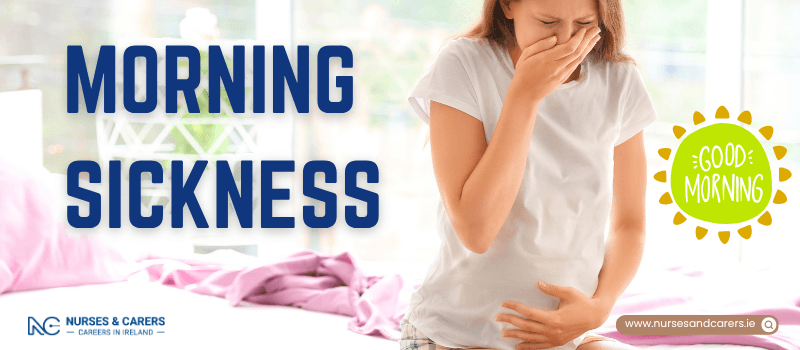
Nausea and vomiting are very common during pregnancy and are primarily triggered by rapid hormonal changes. While frequently referred to as "morning sickness," these symptoms can occur at any time of the day or night, and some individuals experience them continuously.
Although unpleasant and exhausting, standard morning sickness does not harm your pregnancy. The symptoms are most common during the first trimester (the first 3 months) and usually resolve completely by weeks 16 to 20.
Symptoms and Complications
Standard Symptoms
Consistent nausea (the sensation of needing to vomit).
Vomiting.
Mild fatigue.
Dehydration
Frequent vomiting causes your body to lose vital fluids, leading to dehydration. Watch closely for these warning signs:
Dark-colored urine or urinating significantly less often than normal.
A dry mouth and chapped lips.
Feeling faint, dizzy, lightheaded, or generally unwell.
A rapid or racing heartbeat.
🚨 Urgent Medical Action Required
Contact your GP, midwife, or obstetrician immediately, or go directly to your maternity hospital’s emergency department if:
You experience any signs of dehydration.
You have lost weight.
You are completely unable to keep fluids or food down.
ℹ️ Non-Urgent Medical Advice
Consult your GP or midwife if your morning sickness is interfering with your ability to manage day-to-day life. They can prescribe pregnancy-safe anti-sickness medications to ease your symptoms.
Severe Morning Sickness (Hyperemesis Gravidarum)
Hyperemesis gravidarum is a severe form of morning sickness that affects approximately 2 out of every 100 pregnant women. It requires close medical supervision and, in severe cases, hospital admission for intravenous (IV) fluids.
Symptoms include:
Constant, forceful, and severe vomiting.
Noticeable weight loss.
Extreme exhaustion.
Excess saliva production.
You have a higher statistical risk of developing severe morning sickness if you:
Have a family history of hyperemesis gravidarum.
Experienced severe morning sickness in a prior pregnancy.
Are expecting twins, triplets, or more.
Experience migraines or severe motion sickness.
Historically felt nauseous when taking contraception containing estrogen.
Are experiencing a molar pregnancy.
Support Resource: Additional information and community support can be found through Hyperemesis Ireland.
Practical Ways to Cope and Manage Symptoms
1. Prioritise Rest
Rest frequently: High fatigue directly worsens the sensation of nausea.
Wake up slowly: Avoid jumping out of bed rapidly, as sudden movements trigger dizziness and nausea.
Control your environment: Minimize exposure to loud noises and bright lights, which can act as triggers.
2. Adjust Your Eating Habits
Do not worry if you cannot maintain a perfectly balanced diet while feeling ill. The immediate goal is to preserve your energy levels and prevent weight loss.
Eat little and often: Keep your stomach from emptying completely. Aim to nibble on food every 2 hours, as long gaps between meals intensify nausea.
Choose dry, plain foods: Plain carbohydrates are generally tolerated best. Examples include dry toast, plain crackers, biscuits, pasta, white rice, dry cereal, and cereal bars.
Keep crackers by the bed: Eat a few dry crackers immediately upon waking, then wait 15 to 20 minutes before slowly getting out of bed.
Choose high-energy snacks: Consume calorie-dense foods that require minimal effort to eat, such as nuts, cheese, hummus, full-fat yogurt, and avocados.
Eat when inspired: Do not wait for traditional mealtimes; eat immediately whenever you feel a brief window of hunger.
3. Manage Food Odours
Avoid cooking: Upsetting cooking smells frequently trigger vomiting. Keep pre-prepared or ready-made meals in the house.
Isolate yourself from smells: If food is being cooked, sit in a different room with an open window or step outside for a brief walk.
Block intense scents: Apply a few drops of a soothing essential oil or fresh lemon juice to a handkerchief and hold it to your nose to mask environmental smells.
4. Dynamic Hydration Strategies
To prevent dehydration without triggering vomiting, aim to consume one 200ml glass of fluid every hour over a 10-hour period. Take continuous, tiny sips rather than gulping large amounts at once.
If drinking plain water is difficult, try these alternatives:
Sip liquids slowly through a straw.
Add ice cubes to your drinks, or suck on plain ice cubes and ice pops.
Choose flavored options like diluted fruit juice, fruit cordials, plain milk, or flavored milk.
Consume foods with a naturally high water content, such as fresh fruit, jelly, yogurt, custard, and clear soups.
5. Ginger, Supplements, and Dental Care
Try ginger: Consuming ginger-infused foods or drinks can successfully lower mild nausea. Always consult a pharmacist before taking concentrated ginger supplements to ensure they are safe for your pregnancy.
Time your folic acid: Take your daily folic acid at the specific time of day when you feel least nauseous. If large prenatal multivitamin tablets are too difficult to swallow, ask your pharmacist for a liquid alternative.
Protect your teeth: Stomach acid temporarily softens your tooth enamel right after you vomit. Do not brush your teeth immediately. Rinse your mouth thoroughly with plain water and wait at least 1 hour before brushing to safeguard your teeth and gums.
Morning Sickness: When to Get Medical Advice
While nausea and vomiting are common in early pregnancy, severe symptoms require clinical evaluation. You should consult your GP, obstetrician, or midwife if your morning sickness feels unmanageable, if you struggle to keep water down, or if you are unsure whether your symptoms have crossed into a severe category.
Emergency Action Required
Contact your GP, midwife, or obstetrician immediately if you develop any of the following symptoms. These warning signs indicate severe dehydration, malnutrition, or underlying complications that require prompt medical treatment or hospital admission:
Inability to hydrate: Being sick and unable to keep any fluids down for a full 24 hours.
Neurological signs: Feeling noticeably dizzy, lightheaded, or faint.
Hematemesis: Vomiting blood or material that looks like coffee grounds.
Weight loss: Noticing a drop in your body weight due to persistent sickness.
Severe dehydration: Having very dark-colored urine.
Reduced urination: Not urinating as frequently as normal, particularly if it has been more than 8 hours since you last urinated.
Urinary tract issues: Experiencing pain or a burning sensation when urinating, or seeing blood in your urine.
If these symptoms occur outside of normal clinic hours, do not wait until the next day—go directly to the emergency department of your maternity hospital.
Disclaimer
The information provided here is for educational and informational purposes only. It does not constitute medical advice, diagnosis, or treatment. Always consult a qualified healthcare professional or your GP for specific medical concerns, diagnoses, or health advice. Never disregard professional medical advice or delay seeking it because of information you have read here.