
Dry Eyes
9 Sept 2026 · 3 min read
On this page13 sections
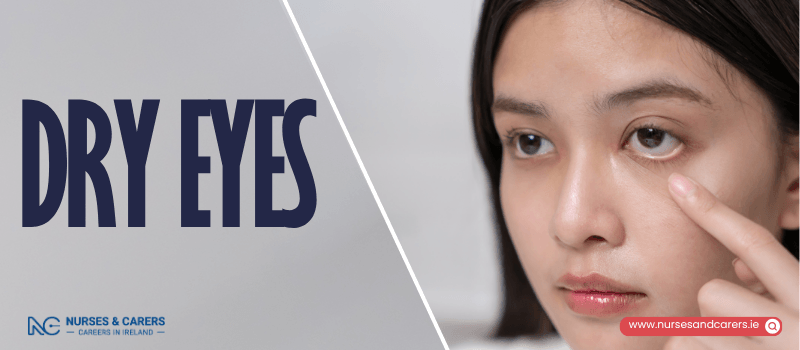
Dry eyes are a common and usually non-serious condition. You may be experiencing dry eyes if your eyes feel or appear:
Itchy, sore, gritty, or red
Unusually sensitive to light
Blurry or intermittently out of focus
More watery than normal (a reflex response to surface dryness)
Primary Causes and Risk Factors
Dry eyes occur when your eyes do not produce enough tears, or the tears evaporate too quickly.
Lifestyle & Environmental Triggers
Being over the age of 50
Wearing contact lenses regularly
Prolonged computer or screen use without regular breaks
Sitting in air-conditioned, heated, windy, or dusty environments
Smoking or consuming alcohol
Taking specific prescription medications (e.g., certain antidepressants or blood pressure medications)
Associated Health Conditions
Blepharitis: Swollen, itchy eyelids that disrupt tear production.
Lupus: A chronic autoimmune condition causing joint pain and fatigue.
Sjögren's Syndrome: An autoimmune disorder targeting fluid-producing glands (like tears and saliva).
Everyday Dos and Don'ts
Do
Clean daily: Keep your eyelid margins clean to support natural oil flow.
Screen breaks: Rest your eyes periodically when using computer screens.
Ergonomics: Position your computer screen exactly at eye level to avoid strain.
Humidify: Use a humidifier to add moisture back into dry indoor air.
Rest: Ensure you get plenty of sleep to give your eyes time to recover.
Lens vacation: Switch from contact lenses to glasses temporarily to reduce irritation.
Don't
Avoid smoke: Do not smoke or spend extended periods in smoky, dry, or dusty rooms.
Limit exposure: Minimize time spent directly under active air conditioning or heating vents.
Do not alter prescriptions: Never stop taking a prescribed medication without first seeking medical advice, even if you suspect it is causing your dry eyes.
How to Clean Your Eyelids Properly
Perform this routine daily to clear blocked oil glands and remove debris:
Wash hands: Thoroughly clean your hands with soap and water before touching your face.
Warm compress: Soak a clean flannel in warm (not hot) water and press it gently over closed eyes to loosen trapped gland oils.
Massage: Gently massage your eyelids with a clean finger or cotton bud to express the oils.
Wipe clean: Soak a piece of cotton wool in warm water and gently wipe across the eyelid margins to remove crusts, bacteria, and grime.
Pharmacy and Medical Support
At the Pharmacy
A pharmacist can recommend over-the-counter self-care treatments, including:
Artificial tear drops, lubricating gels, or nighttime ointments
Targeted allergy medications if an allergen is triggering your symptoms
Guidance on whether your symptoms require an advanced medical check
⚠️ When to See a Professional (Optician or GP)
Schedule a non-urgent appointment if:
Home treatments show no improvement after a few weeks.
You notice any structural changes to the shape of your eyelids.
You experience persistent changes to your baseline vision.
🚨 Emergency Care
Seek an urgent medical appointment or visit an eye emergency clinic immediately if you experience any sudden loss of vision.
What to Expect at an Appointment
Your optician or GP will evaluate your symptoms and check for the most common underlying causes. If they cannot diagnose the source of the dryness, they will refer you to an eye specialist (ophthalmologist) for advanced testing.
Disclaimer
The information provided here is for educational and informational purposes only. It does not constitute medical advice, diagnosis, or treatment. Always consult a qualified healthcare professional or your GP for specific medical concerns, diagnoses, or health advice. Never disregard professional medical advice or delay seeking it because of information you have read here.