
Earwax Build-up
9 Sept 2026 · 2 min read
On this page9 sections
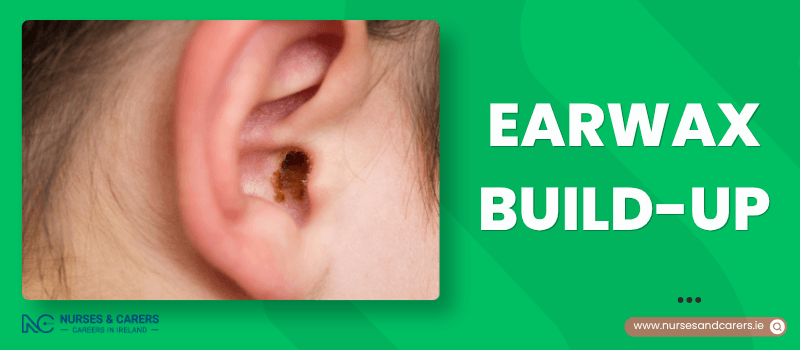
Earwax is a natural, protective substance made in the outer ear canal. It traps dirt, dust, and prevents infections. While it usually falls out on its own, it can sometimes build up and cause blockages.
Symptoms of Build-Up
If your ear canal is blocked, you may experience:
Earache or physical soreness
Hearing difficulties or muffled sounds
Itchiness inside the ear canal
Dizziness or balance issues
Tinnitus (hearing high-pitched ringing or tones)
Ear infections
Note: Symptoms usually disappear immediately once the wax is removed. See your GP if symptoms persist after removal.
Common Causes
Some people naturally produce more earwax. Other factors that increase build-up include:
Narrow ear canals
Abundant ear hair
Age (60 or older), as earwax naturally hardens over time
Regular use of hearing aids or earplugs, which can mechanically push wax deeper
Safe Home Treatment
If the wax does not clear on its own, follow this 3-to-5-day oil treatment:
Position: Lie on your side with the affected ear facing upward.
Application: Place 2 to 3 drops of olive oil or almond oil into the ear. (Avoid almond oil if you have a nut allergy).
Rest: Remain lying down for 5 to 10 minutes to let the oil penetrate.
Frequency: Repeat this process 3 to 4 times a day.
Lumps of softened wax should naturally fall out of your ear over the next 2 weeks.
Crucial Safety Warning
Do not use cotton buds, fingers, or any sharp objects. These push the wax further into the canal and worsen the blockage.
Do not use standard vegetable oils, as they can trigger allergic reactions.
Avoid ear candles or ear vacuums, as there is no scientific evidence proving they work.
When to Seek Professional Medical Care
Visit a Pharmacist
A pharmacist can recommend specialist drops to dissolve the wax within a week. Do not use these drops if you have a perforated (torn) eardrum.
Consult Your GP
Schedule an appointment with your GP if your ear remains blocked after 5 days of home treatment, or if the blockage severely impairs your hearing. A GP can clear the ear painlessly using:
Ear irrigation: Flushing the wax out safely with water.
Microsuction: Gently vacuuming the wax out under a microscope.
Prevention
You cannot stop your body from producing earwax, as it is a vital defense mechanism against germs. However, you can use occasional ear drops to keep the wax soft, helping it flow out naturally and preventing future blockages.
Disclaimer
The information provided here is for educational and informational purposes only. It does not constitute medical advice, diagnosis, or treatment. Always consult a qualified healthcare professional or your GP for specific medical concerns, diagnoses, or health advice. Never disregard professional medical advice or delay seeking it because of information you have read here.