
Eczema in Babies and Children
9 Sept 2026 · 4 min read
On this page12 sections
Eczema is a common skin condition that causes dry, itchy, and irritated skin in babies, newborns, and children. While it can be distressing for both the child and parents, establishing a consistent daily care routine and using prescribed treatments can effectively manage symptoms.
Recognizing Symptoms in Children
The primary and most disruptive symptom of pediatric eczema is intense itching, which frequently causes sleep disturbances and irritability.
Appearance varies based on skin tone:
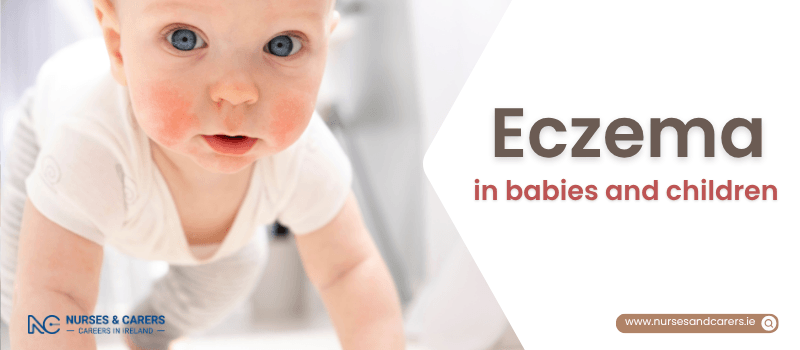
On Fair Skin: Eczema typically appears as bright red, dry, or cracked patches.
On Black or Brown Skin: Eczema can look dark brown, purple, or grey, making it more challenging to visually identify.
Common Locations: It is most frequently found on the face, neck creases, inside the elbows, backs of the knees, and hands, though it can spread anywhere.
Signs of Aggravation: Look out for physical scratch marks, bleeding, or skin that appears wet and oozing, which indicates severe inflammation or infection.
Diagnosis and Treatment
Medical Diagnosis
If your child shows signs of eczema, consult your GP. A doctor can diagnose the condition purely through a visual skin examination; blood or skin tests are rarely necessary. If an infection is suspected, the GP may gently swab the skin, which is completely painless.
Standard Treatments
Emollients: Intensely moisturizing lotions, creams, or ointments that must be applied at least 3 to 4 times every day to repair the skin barrier.
Topical Steroids: Mild prescription creams used to quickly calm redness and itching during a flare-up.
Antihistamines: Prescribed to ease severe itching and help your child sleep at night.
Cotton Bandages: Wrapped over treatments to lock in moisture and physically prevent scratching.
Antibiotics: Required if a secondary bacterial infection develops.
🚨 Safety Warning: Many emollients contain paraffin or oils. Keep your child strictly away from open flames, fires, and cigarettes, as these products can make clothing and bedding highly flammable.
Daily Care: Do's and Don'ts
Do:
Trim Nails: Keep your child's fingernails very short and clean to minimize skin damage from scratching.
Modify Baths: Give short, lukewarm baths using a soap substitute (like emulsifying ointment or Silcocks base) instead of regular soap.
Lock in Moisture: Gently pat the child's skin dry after bathing and immediately smooth on their emollient.
Optimize Laundry: Wash clothing and bedding with non-biological detergent and use a double rinse cycle to remove residue.
Dress for Comfort: Choose loose, breathable natural fabrics like 100% cotton.
Cool the Environment: Keep their bedroom temperature around 18°C to prevent overheating and sweat-induced itching.
Avoid Cold Sores: Keep your child completely away from anyone with an active cold sore, as the herpes simplex virus can cause a severe, dangerous infection on eczema-prone skin.
Don't:
Avoid Tubs Contamination: Do not scoop moisturizer out of a tub with your fingers, as this introduces harmful bacteria. Use a clean spoon instead.
Never Rub the Skin: Avoid rubbing your child briskly with a towel after washing, as friction aggressively worsens eczema.
Causes and Triggers
Genetic Links
The most common form is atopic eczema. While the exact cause is unknown, a child is significantly more likely to develop it if one or both parents have eczema, or if a close family member suffers from asthma or hay fever.
Identifying Flare-Up Triggers
Eczema can suddenly worsen due to external factors. Common triggers include:
Physical Factors: Heat, sudden temperature changes, teething, viral illnesses, and emotional stress.
Environmental Irritants: Soaps, standard detergents, pet dander, pollen, house dust mites, or rough clothing fabrics.
⚠️ Important Note on Diet: Food allergies rarely cause eczema directly, though certain foods may irritate the skin around a child's mouth. Never cut entire food groups from your child's diet without explicit medical guidance, as this can severely restrict their growth and development. If you suspect a link, keep a detailed food diary and ask your GP for a referral to a pediatric allergy specialist.
When to Contact the GP Immediately
Seek medical advice if your child’s eczema is not improving after 2 to 3 days of regular treatment, or if you spot any of the following signs of infection:
The skin is oozing fluid or bleeding.
Yellow crusts or broken areas form over the rash.
The skin feels unusually hot to the touch or looks swollen.
Your child develops a fever or seems generally unwell.
Disclaimer
The information provided here is for educational and informational purposes only. It does not constitute medical advice, diagnosis, or treatment. Always consult a qualified healthcare professional or your GP for specific medical concerns, diagnoses, or health advice. Never disregard professional medical advice or delay seeking it because of information you have read here.