
Flat Feet in Children
11 Sept 2026 · 2 min read
On this page10 sections
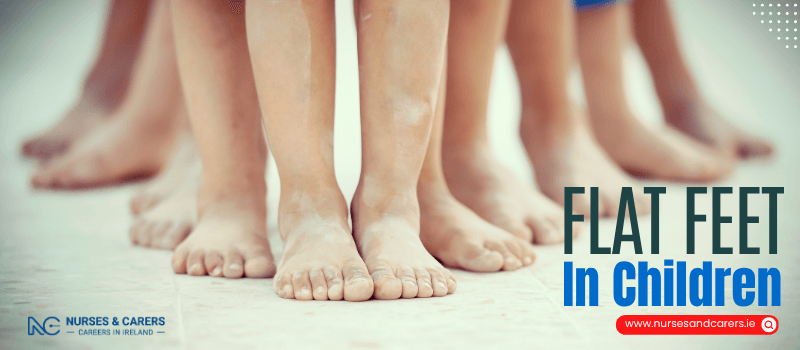
Flat feet (sometimes called fallen arches) occur when the inside arch of the foot is flatter than normal. Most children naturally have flat feet up until age 6 or 7. During early childhood, the arch is usually only visible when the child sits, bends their big toe backward, or stands up on their tiptoes.
As the child grows, the arch gradually develops. However, about 1 in 5 children never develop a distinct arch, though only a small minority will experience problems because of it.
Causes of Flat Feet
The bones in a child's foot are held together by bands of tissue called ligaments. In infants and toddlers, flat feet are typically caused by a combination of loose ligaments and natural baby fat situated between the foot bones. This causes the arch to flatten completely when the child stands up.
Types of Flat Feet
There are two primary categories of flat feet in children:
1. Flexible Flat Feet
This means the child’s feet look flat when standing normally, but a visible arch appears as soon as they stand up on their tiptoes. Flexible flat feet do not require any treatment if the child has no other symptoms.
2. Pathological Flat Feet
This means the feet are flat due to an underlying health condition or structural anomaly. It may be indicated if:
The foot remains completely flat even when the child stands on their tiptoes (rigid flat foot).
The foot has abnormally changed shape.
The flexible flat foot causes physical pain.
Only one foot is flat while the other has a normal arch.
It is linked to a neuromuscular disease such as cerebral palsy or spina bifida.
When to Seek Medical Advice
Contact Your GP
You should schedule a non-urgent appointment with your GP if you suspect your child has a pathological flat foot.
Contact a Physiotherapist or GP
Seek advice if your child has a flexible flat foot but is also experiencing:
Foot, leg, or ankle pain.
Difficulty running or participating in physical activities.
Issues with balance or frequent tripping.
Treatment and Physiotherapy
If a child experiences pain or functional difficulties, a physiotherapist can recommend specific strengthening exercises and advise you on the most supportive footwear.
Public Services: You can request a public physiotherapy assessment for your child through your local primary care centre.
Private Services: You can arrange a private assessment independently. Ensure the practitioner is registered by checking the Irish Society of Chartered Physiotherapists (ISCP) website at iscp.ie.
Disclaimer
The information provided here is for educational and informational purposes only. It does not constitute medical advice, diagnosis, or treatment. Always consult a qualified healthcare professional or your GP for specific medical concerns, diagnoses, or health advice. Never disregard professional medical advice or delay seeking it because of information you have read here.