
In-Toeing and Out-Toeing in Children
12 Sept 2026 · 3 min read
On this page9 sections
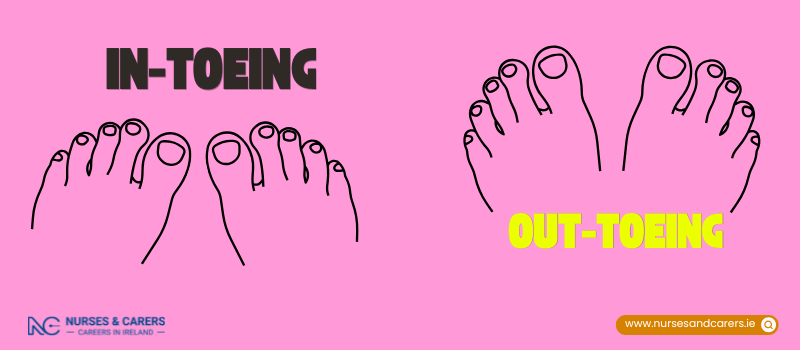
In-toeing (pigeon-toeing) and out-toeing are common conditions where a child’s feet point inward or outward instead of straight ahead when walking or running. In early childhood, this is typically a normal, healthy part of musculoskeletal development. As the bones, muscles, and joints mature, the alignment usually corrects itself naturally over time.
Children presenting with these walking patterns are almost always completely healthy. The variation does not cause long-term limitations to their ability to walk, run, jump, or play.
How it Affects Your Child
Balance: Children who in-toe or out-toeing may appear to trip or fall slightly more often. This is a standard part of learning gross motor coordination and will improve independently.
Fluctuation: The turning of the feet may appear more pronounced when the child is fatigued or running fast.
Sensation: The condition is entirely painless. It should never limit your child from participating in sports or daily physical activities.
Supportive Home Strategies
While most children require no formal treatment, you can support your child's natural musculoskeletal development with targeted daily adjustments:
Discourage "W-Sitting": Do not let your child sit on the floor with their knees pointing forward and their feet flared out to the sides next to their hips. This position places unnecessary stress on developing hip joints and thighs. Encourage cross-legged ("button") sitting or sitting with legs extended straight ahead instead.
Select Appropriate Footwear: Choose lightweight, flexible shoes that offer good arch support without restricting the natural movement of the foot.
Avoid Counterproductive Methods: Do not put your child's shoes on the opposite feet, as this does not correct alignment and can cause painful blisters. Avoid heavy or rigid boots, which increase the risk of tripping.
Targeted Physical Activities
For Children Who In-Toe:
Muscle strengthening: Practice "penguin walking" (walking with heels together and toes turned out) or practice walking perfectly straight along a taped line on the floor.
Beneficial sports: Activities that encourage external hip rotation are highly beneficial. These include ballet, horseback riding, martial arts, and swimming breaststroke.
Stretching: Incorporate gentle hamstring stretches if the back of the legs feel tight.
For Children Who Out-Toe:
Muscle strengthening: Engage in activities that build pelvic and hip stability, such as walking carefully along a straight line while keeping the feet strictly parallel.
Tip-Toe Walking
It is common and normal for children aged 3 or younger to occasionally walk on the tips of their toes. This habit generally resolves on its own, provided the child is physically capable of standing flat-footed when prompted. You can help your child by practicing flat-footed standing drills or playing games that involve heel-striking, like penguin walking.
When to Consult a Professional
While these variations are usually benign, some presentations require a medical evaluation to rule out structural issues. Contact your GP or a pediatric physiotherapist if:
Your child complains of persistent foot, ankle, knee, or hip pain or stiffness.
The in-toeing or out-toeing affects only one leg rather than both.
The turning of the feet is severe, worsens over time, or fails to improve by the time they reach late childhood.
Your child walks on their tiptoes constantly, has rigidly stiff ankles, rarely stands flat-footed, or continues tip-toe walking past the age of 3.
A GP can perform a comprehensive physical assessment and, if necessary, provide a referral to a pediatric physiotherapist for tailored alignment exercises.
Disclaimer
The information provided here is for educational and informational purposes only. It does not constitute medical advice, diagnosis, or treatment. Always consult a qualified healthcare professional or your GP for specific medical concerns, diagnoses, or health advice. Never disregard professional medical advice or delay seeking it because of information you have read here.