
Foot Drop (Dropped Foot)
11 Sept 2026 · 4 min read
On this page12 sections
Foot drop is a condition characterized by difficulty lifting or moving the front part of the foot and toes. It usually affects only one foot and alters the way you walk, often forcing you to drag your toes or lift your knee higher than normal. Depending on the underlying cause, foot drop can improve on its own, resolve with targeted treatment, or become permanent.
Causes of Foot Drop
The most frequent cause of foot drop is nerve compression or injury to the peroneal nerve, which runs down the leg and controls the muscles responsible for lifting the foot.
Common Causes
Physical Compression: Crossing your legs, kneeling, or squatting for extended periods.
Medical Procedures: Complications from hip or knee replacement surgeries.
Spinal Issues: A slipped (herniated) disc in the spine compressing the nerve root.
Trauma: Sports injuries directly impacting the lower leg or knee.
Prolonged Immobility: Extended bed rest during long hospital stays.
Systemic Nerve Damage: Peripheral neuropathy caused by diabetes.
Less Common Causes
Inherited Disorders: Genetic conditions such as Charcot-Marie-Tooth disease.
Muscle Diseases: Progressive muscle weakness caused by muscular dystrophy, spinal muscular atrophy, or motor neurone disease.
Central Nervous System Damage: Damage to the brain or spinal cord resulting from a stroke, cerebral palsy, Parkinson's disease, or multiple sclerosis (MS).
Diagnosing Foot Drop
When to See a GP
Schedule a non-urgent appointment with your GP if you experience regular difficulty lifting the front part of your foot and toes. Your doctor will perform a physical examination of your leg and foot and analyze your walking gait.
To determine the exact cause of the nerve damage, your GP may refer you to a specialist for diagnostic tests:
Imaging Scans: X-rays, ultrasound, CT scans, or MRI scans to check for structural compression.
Nerve Conduction Tests: Electrical tests to locate the exact site of nerve damage.
Electromyography (EMG): Inserting tiny needle electrodes into the muscle fibers to record and evaluate localized electrical activity.
Medical and Surgical Treatments
Treatment strategies depend entirely on the root cause and how long you have experienced the condition.
1. Orthotic Support: Ankle-Foot Brace or Splint
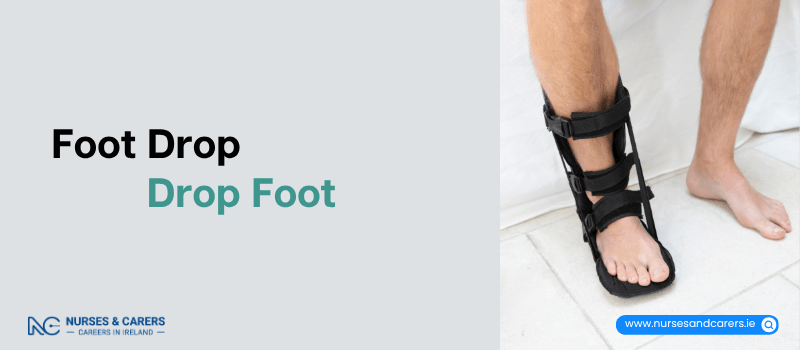
An orthotist (a specialist who designs and fits braces) can prescribe an Ankle-Foot Orthosis (AFO). This rigid or semi-rigid brace holds your foot and ankle in a straightened, normal position to keep you stable while walking.
Footwear Tips: Wear shoes with laces or adjustable straps to accommodate the brace. Shoes with removable insoles offer helpful extra depth.
Skin Protection: Wear a close-fitting sock under the brace to prevent skin chafing and blisters. Avoid high-heeled shoes entirely.
Usage: Break the brace in slowly. Once comfortable, wear it as much as possible when walking.
2. Electrical Nerve Stimulation
For foot drop caused by brain or spinal cord damage (e.g., after a stroke or due to MS), an electrical stimulation device can help you walk faster and with less effort.
How it Works: Electrode patches are placed on the skin over the affected nerve and muscle center. A card-sized, battery-operated control box delivers electrical impulses that cause the muscle to contract. A sensor placed inside your shoe triggers the pulse every time your heel leaves the ground.
Long-Term Option: If the device proves successful, a surgeon can permanently implant the electrodes directly under your skin during a routine procedure under general anaesthetic.
3. Surgical Options
If the foot drop causes permanent muscle paralysis or severe movement loss, surgical interventions can restore stability:
Tendon Transfer: Moving a healthy, functioning tendon from a stronger leg muscle to the weakened muscle responsible for pulling the ankle upward.
Joint Fusion: Fusing the foot and ankle bones together to permanently stabilize the joint.
Nerve Procedures: Repairing or grafting the damaged nerve.
Decompression Surgery: Spine surgery to relieve pressure if a compressed spinal nerve is the root cause.
Fall Prevention and Home Safety
Because foot drop makes you prone to catching your toes on the ground, you face a significantly higher risk of tripping and falling.
Recommended Home Adjustments (Do)
Clear Walkways: Keep all household floors entirely clear of clutter.
Remove Trip Hazards: Eliminate loose rugs, mats, and exposed electrical cables.
Maximize Lighting: Keep all rooms, hallways, and stairwells well-lit.
Install Supports: Fit sturdy handrails on both sides of all staircases.
Use Mobility Aids: Walk with a cane, walking stick, or other prescribed mobility device if you feel unstable.
Disclaimer
The information provided here is for educational and informational purposes only. It does not constitute medical advice, diagnosis, or treatment. Always consult a qualified healthcare professional or your GP for specific medical concerns, diagnoses, or health advice. Never disregard professional medical advice or delay seeking it because of information you have read here.