
Generalised Anxiety Disorder
11 Sept 2026 · 11 min read
On this page25 sections
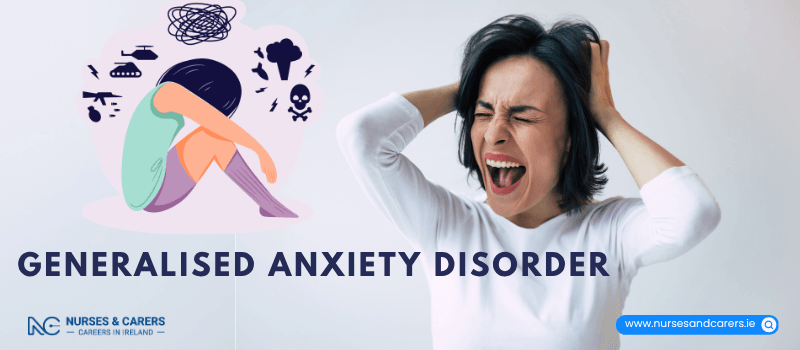
Generalised Anxiety Disorder (GAD) is characterized by persistent, pervasive anxiety regarding a broad range of everyday situations and issues, rather than a specific event or phobia. Individuals with GAD experience unrealistic or disproportionate worry about standard life domains, such as work, school, relationships, and personal health.
You may be diagnosed with GAD if:
Your worrying significantly impairs your occupational, academic, or social functioning.
Your worries cause profound distress, feel completely uncontrollable, and routinely lead to catastrophic thinking.
You have experienced this heightened anxiety almost every day for at least 6 months.
You frequently seek excessive reassurance or exhibit extreme perfectionism, such as taking a disproportionate amount of time to complete tasks to ensure absolute correctness.
For many individuals, GAD becomes a chronic baseline state, making it difficult to remember the last time they felt genuinely relaxed. The severity and combination of symptoms vary widely from person to person.
Psychological and Behavioural Symptoms
GAD alters cognitive processes, emotional regulation, and daily behaviour. These psychological symptoms include:
Constant restlessness, feeling "on edge," or a persistent sense of dread.
Chronic muscle tension and racing thoughts.
Impaired concentration and heightened irritability.
Disturbed sleep patterns and feeling constantly overwhelmed.
Depersonalisation or feeling detached from reality.
Behavioural Impacts
To cope with these feelings of dread, individuals often withdraw from social contact. Attending work or school can become highly stressful, frequently leading to increased absenteeism. Consequently, this disruption can exacerbate anxiety levels and negatively impact self-esteem.
Physical Symptoms
The systemic nature of chronic anxiety manifests in a wide variety of physical complaints, which can include:
Neurological & Musculoskeletal: Dizziness, persistent fatigue, tension headaches, muscle aches, trembling or shaking, and "pins and needles" sensations.
Cardiovascular & Respiratory: A rapid, strong, or irregular heartbeat (palpitations) and shortness of breath.
Gastrointestinal: Dry mouth, nausea, abdominal discomfort, and a loss of appetite.
Other Physical Signs: Excessive sweating, sleep disturbances (difficulty falling or staying asleep), and bruxism (teeth grinding).
Anxiety Triggers
Unlike specific phobias or panic disorder—where the source of fear is readily identifiable—the exact trigger for GAD is often unclear or non-specific. This inability to pinpoint a precise cause can intensify the anxiety, creating a frustrating cycle where the individual worries that their condition has no solution.
Causes and Etiology
GAD frequently develops without a single, obvious precipitating event. Instead, it typically arises from a complex combination of biological, psychological, and environmental factors:
Neurobiology: Overactivity in specific regions of the brain responsible for regulating emotions and behavioral responses.
Genetics: A hereditary predisposition inherited from biological parents.
Environmental Stressors: A personal history of chronic stress, adversity, or trauma (such as domestic abuse).
Medical Context: Living with a chronic, painful, or long-term health condition.
Substance Use: A history of drug or alcohol misuse, which can alter brain chemistry and worsen anxiety symptoms.
Social Factors: Loneliness, severe social isolation, or living entirely alone.
When to Seek Professional Guidance
Experiencing periodic anxiety during stressful life events is completely normal. However, you should consult your General Practitioner (GP) if your anxiety is persistent, causing you ongoing distress, or interfering with your daily life. Your doctor will evaluate your emotional, cognitive, and physical symptoms to establish an accurate diagnosis and create a tailored management plan.
When to Consult Your Doctor
While periodic worry is a normal aspect of life, you should schedule a consultation with your General Practitioner (GP) if your anxiety becomes persistent, causes you ongoing emotional distress, or actively interferes with your daily occupational and social functioning.
What to Expect During Your Appointment
To establish an accurate diagnosis, your GP will conduct a thorough clinical evaluation. They will ask detailed questions regarding your mental and physical health, which may include:
Symptom Profile: The exact nature of your psychological and physical symptoms.
Duration: How long you have been experiencing these symptoms (clinicians typically look for a pattern lasting at least 6 months).
Cognitive Patterns: The specific nature of your daily worries, fears, and emotional state.
Personal Context: Current circumstances in your personal, social, or professional life that may be contributing to your stress.
Discussing your deeply personal emotions and private life can feel uncomfortable or difficult. However, providing your GP with an open and honest account of your experiences is essential. This information ensures they can rule out alternative issues and arrive at the correct clinical diagnosis.
Ruling Out Physical Conditions
The physical manifestations of chronic anxiety often mimic other medical issues. To ensure your symptoms are not driven by an underlying physiological cause, your GP may perform a routine physical examination or request specific blood tests.
Key conditions they will look to rule out include:
Anemia: A deficiency in red blood cells or hemoglobin, often caused by low iron, vitamin B12, or folate levels, which can cause profound fatigue, dizziness, and palpitations.
Hyperthyroidism: An overactive thyroid gland that produces excessive thyroid hormone, directly causing symptoms like a rapid heart rate, tremors, excessive sweating, and heightened anxiety.
Once these physical conditions are ruled out, your GP can confidently confirm a diagnosis of GAD and work with you to develop an appropriate treatment or self-help plan.
Evidence-Based Self-Help Treatments
When you are diagnosed with Generalised Anxiety Disorder (GAD), your General Practitioner (GP) may recommend guided self-help interventions. These are often introduced as an initial treatment phase before starting formal one-on-one talk therapy or medication.
Guided Self-Help CBT: This strategy uses workbooks or online programs rooted in Cognitive Behavioural Therapy (CBT). It helps you recognize, understand, and modify unhelpful thinking patterns and behaviors.
Digital Resources: In partnership with the HSE, patients in Ireland can access SilverCloud by Amwell, a guided online CBT platform available via a GP or healthcare provider referral.
Physical Activity and Exercise
Engaging in regular physical activity is an effective way to relieve physical tension and combat chronic stress. Exercise stimulates the brain to release serotonin, a neurotransmitter that naturally regulates and elevates mood.
Target Goal: Aim for regular moderate-intensity exercise per week, aiming for consistency that elevates your heart rate and causes you to breathe faster.
Effective Activities: Brisk walking, jogging, cycling, swimming, hiking, tennis, aerobics, or amateur team sports like football or rugby.
Relaxation, Mindfulness, and Applied Relaxation
In addition to physical activity, incorporating structured relaxation practices can help lower autonomic nervous system arousal.
Mindfulness: A mental practice focused on anchoring your awareness to the present moment. By acknowledging and accepting physical sensations and emotions without judgment, it lowers the fear associated with future events.
Applied Relaxation: A specialized psychological treatment led by a trained therapist. This technique focuses on muscle groups:
Learning how to systematically relax specific muscles.
Training your body to relax rapidly in response to a known anxiety trigger.
Practicing these rapid muscle relaxation techniques in real-life, anxiety-provoking situations.
Mind-Body Disconnect: Yoga and Pilates are excellent physical choices for stabilizing your breathing patterns and unwinding.
Eliminating Substance Triggers
Nicotine and alcohol disrupt the brain chemistry that regulates stability, which directly aggravates and worsens anxiety symptoms.
Nicotine: Smoking cessation is highly recommended; seek professional resources or smoking cessation helplines for support.
Alcohol Intake: If you choose to drink, adhere to the low-risk guidelines set by the Health Service Executive (HSE) by keeping consumption within low-risk limits, spreading drinks evenly across the week, incorporating alcohol-free days, and avoiding heavy episodic or binge drinking.
Support Networks
Living with GAD can feel isolating, but joining a peer support group offers a constructive environment to manage the condition.
Shared Experience: Support groups let you connect with others facing similar emotional hurdles, reducing feelings of isolation.
Delivery Formats: Many organizations host local, in-person meetings, alongside helplines or written support forums. Ask your GP for recommendations regarding accredited anxiety support groups in your local community.
Clinical Management
Generalised Anxiety Disorder (GAD) is often a long-term condition. However, a structured range of evidence-based medical and psychological treatments can successfully manage it.
Your General Practitioner (GP) will guide you through your options, explaining the potential risks, side effects, and drug interactions. Together, you will select the most appropriate strategy for your specific situation.
Step 1: Initial Interventions
For mild to moderate GAD, clinical guidelines suggest starting with low-intensity treatments before progressing to formal individual therapy or medication.
Guided Self-Help: This involves working through an online program or clinical workbook. A healthcare professional, such as a psychologist or mental health nurse, will provide regular support checks.
Psychoeducational Group Courses: These consist of weekly, therapist-led group sessions with peers experiencing similar challenges. Participants learn practical cognitive and behavioral techniques to manage daily anxiety.
Step 2: Psychological and Talk Therapies
If initial interventions are insufficient, formal one-on-one psychological therapy is typically recommended.
Cognitive Behavioural Therapy (CBT)
CBT is one of the most effective treatments for GAD, often providing more durable, long-term benefits than medication alone.
Mechanism: It helps patients identify and change distorted or unhelpful thought patterns.
Behavioral Adjustments: It breaks negative behavioral cycles and systematically helps individuals confront activities or situations they would normally avoid due to fear.
Accessing a Therapist
Primary Care Referrals: Your GP can refer you directly to Primary Care Psychology services, though self-referral options are also available.
Private Practice: You can independently source a private counsellor, psychotherapist, or clinical psychologist without a GP referral.
Accreditation: Ensure your chosen practitioner is fully registered and accredited by a recognized professional body, such as the Irish Association for Counselling and Psychotherapy (IACP) or the Psychological Society of Ireland (PSI).
Step 3: Pharmacological Treatments
If psychological therapies prove ineffective or if the anxiety is severely debilitating, your GP may prescribe medication. Close medical supervision is required, and regular review appointments are necessary to monitor response, manage side effects, or adjust dosages.
The primary categories of medication prescribed for GAD include:
Selective Serotonin Reuptake Inhibitors (SSRIs): A class of antidepressants that increases serotonin levels in the brain; typically used as a first-line daily medication.
Serotonin and Noradrenaline Reuptake Inhibitors (SNRIs): A dual-action class of daily antidepressants that increases both serotonin and noradrenaline to regulate mood and anxiety.
Pregabalin: An anticonvulsant medication that modulates neurotransmitter release; it is sometimes prescribed if SSRIs or SNRIs are not tolerated or effective.
Benzodiazepines: Potent, fast-acting sedatives. Due to the high risk of dependence and tolerance, they are restricted to short-term, acute usage to manage severe crisis points.
Step 4: Specialist Mental Health Referrals
If your condition remains highly resistant to standard GP-led treatments, your doctor will refer you to a multidisciplinary Community Mental Health Team (CMHT).
The Multi-Disciplinary Team
A CMHT consists of various healthcare specialists, including:
Psychiatrists
Psychiatric nurses
Clinical psychologists
Occupational therapists
Medical social workers
Collaborative Care Planning
The team will perform a comprehensive evaluation of your medical history, assessing previous treatments, lifestyle stressors, underlying chronic health conditions, and personal support systems. Together with you, the CMHT will develop a highly individualized care plan. This advanced plan may integrate intensive psychological therapies, trial new advanced medications, or combine two distinct classes of medication.
Disclaimer
The information provided here is for educational and informational purposes only. It does not constitute medical advice, diagnosis, or treatment. Always consult a qualified healthcare professional or your GP for specific medical concerns, diagnoses, or health advice. Never disregard professional medical advice or delay seeking it because of information you have read here.