
Genital Herpes
11 Sept 2026 · 4 min read
On this page10 sections
Genital herpes is a highly common sexually transmitted infection (STI) caused by the herpes simplex virus (HSV).
There are two primary viral strains:
HSV-2 (Herpes Simplex Virus Type 2): The strain most frequently associated with genital infections.
HSV-1 (Herpes Simplex Virus Type 1): The strain primarily linked to oral herpes ("cold sores"), though it increasingly causes genital infections due to oral-genital contact.
Both strains are structurally similar and produce identical lesions. When the virus manifests on the face, it is clinically termed oral herpes; when it appears in the anogenital region, it is classified as genital or anogenital herpes. In Ireland, the condition is highly prevalent and most frequently diagnosed in young women.
Transmission
HSV is primarily transmitted through direct, skin-to-skin contact. This includes kissing, vaginal sex, anal sex, oral sex, and sharing sex toys. It can also be passed from a mother to her infant during childbirth.
Asymptomatic Shedding: Many individuals carry and transmit HSV without knowing it. The virus can become active on the skin surface and shed infectious particles even when no visible blisters, sores, or symptoms are present.
Environmental Safety: HSV is fragile and cannot survive long outside the body. You cannot contract genital herpes from toilet seats, towels, swimming pools, or saunas.
Symptoms and Presentation
Many individuals experience no noticeable symptoms during their initial infection. When clinical symptoms do occur, they typically emerge 2 to 12 days following viral exposure.
The primary or initial outbreak is generally the most severe and presents with:
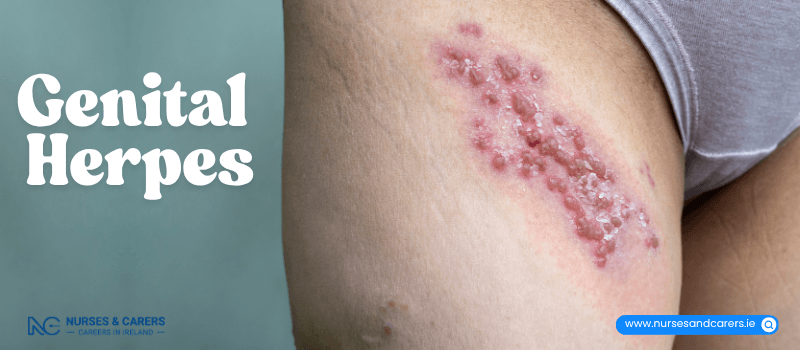
Multiple painful, red bumps or fluid-filled blisters around the genital or anal area.
Lesions that eventually rupture to form open sores or ulcers, which gradually crust over and heal into new skin.
Systemic, flu-like symptoms, including fever, general malaise, and swollen lymph nodes in the groin.
Severe discomfort or a burning sensation during urination (dysuria).
Diagnostic Testing
If you present with active, visible blisters, a healthcare provider will take a fluid swab directly from the sore to detect viral DNA.
Blood Tests: Blood panels screen for specific antibodies to determine if your immune system has been exposed to HSV in the past.
Clinical Protocol: Routine antibody testing is not recommended for individuals without symptoms, but it may be highly beneficial in specific clinical scenarios. You can discuss the utility of a blood test with your doctor or nurse.
Treatment and Recurrence Management
While there is no cure to permanently eliminate the virus from the body, genital herpes is highly manageable. After an outbreak heals, the virus retreats into the nerve cells near the site of infection, where it remains dormant.
Managing a First Outbreak
Initial episodes are typically treated with a 3- to 5-day course of oral antiviral tablets to accelerate epithelial healing and suppress viral replication. Localized pain can be managed effectively with standard over-the-counter analgesics and topical anesthetic (numbing) creams. Untreated outbreaks will eventually heal on their own, though the recovery process takes significantly longer.
Handling Recurrences
The dormant virus can reactivate periodically, causing recurrent outbreaks. Recurrences are generally much milder and heal faster than the initial episode, even without medical intervention. Recurrences are statistically more frequent with HSV-2 infections than with HSV-1.
Intermittent Episodic Therapy: For occasional flare-ups, patients can take a short course of antiviral medication immediately upon noticing early prodromal symptoms (like tingling or itching) to shorten the outbreak.
Suppressive Therapy: Individuals who experience frequent or highly disruptive outbreaks may be prescribed daily antiviral medication for 6 to 12 months to drastically reduce the frequency of recurrences and lower transmission risks.
Partner Protection and Harm Reduction
You can safely resume sexual activity after an outbreak has fully resolved. To minimize the risk of transmitting the virus to a sexual partner:
Consistently use external or internal condoms.
Consider daily suppressive antiviral therapy to lower viral shedding.
Strictly avoid all sexual contact (oral, vaginal, or anal) from the very first sign of prodromal symptoms until the sores have completely healed and new skin has formed.
If your partner has a known history of herpes, or if you want to determine your own exposure status, consult a clinician. A partner blood test can clarify if they have already been exposed to the same viral strain.
Gestational Health and Pregnancy
In the vast majority of cases, a history of genital herpes does not negatively impact a pregnancy or alter the delivery method.
However, if you are pregnant or planning to conceive, you must inform your obstetric care team of your HSV history. To ensure fetal safety, doctors frequently recommend preventative antiviral medication during the final weeks of pregnancy to completely suppress viral shedding and guarantee a safe vaginal delivery.
Disclaimer
The information provided here is for educational and informational purposes only. It does not constitute medical advice, diagnosis, or treatment. Always consult a qualified healthcare professional or your GP for specific medical concerns, diagnoses, or health advice. Never disregard professional medical advice or delay seeking it because of information you have read here.