
Hair Loss
11 Sept 2026 · 5 min read
On this page11 sections
It is entirely normal to shed between 50 and 100 hairs a day, a process that usually occurs unnoticed. However, shedding hair at a higher rate or experiencing an interruption in the hair growth cycle can result in alopecia, the medical term for hair loss.
While hair loss is rarely a sign of an underlying systemic illness, its psychological impact can be significant. It can affect adults, children, and infants alike.
Presentation: Hair loss may present as excessive shedding during brushing or washing, or as stagnant growth leading to distinct bald patches.
Location: While the scalp is the most common site, alopecia can affect any hair-bearing area of the body, including the eyebrows, eyelashes, and limbs. Note: Gradual hair thinning on the legs is a common, benign aspect of the natural ageing process.
Common Types of Alopecia
Hair loss is categorized into distinct clinical types based on its underlying causes:
Alopecia Areata: An autoimmune condition where the immune system mistakenly attacks hair follicles, causing patchy hair loss on the scalp or body. In most cases, the hair eventually grows back.
Telogen Effluvium: Transient, widespread thinning and shedding. It is typically triggered by physiological stressors such as systemic illness, psychological stress, rapid weight loss, iron deficiency (anaemia), or postpartum hormonal shifts. Hair density usually returns to normal within a few months once the underlying trigger resolves.
Androgenetic Alopecia (Pattern Baldness): Widespread thinning that is often hereditary.
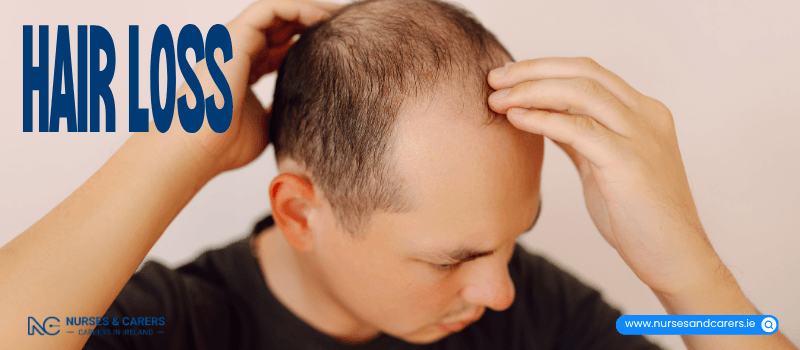
Male Pattern Hair Loss: Typically presents as a receding hairline and thinning at the crown. It can begin at a young age.
Female Pattern Hair Loss: Characterized by diffuse thinning across the crown of the head. It is genetically driven and is not inherently linked to age or menopause.
Frontal Fibrosing Alopecia: A progressive, scarring type of hair loss where the hairline recedes and the eyebrows are lost. It is most commonly diagnosed in women.
Anagen Effluvium (Cancer Treatment Induced): Rapid hair loss triggered by medical therapies like chemotherapy or radiotherapy. Depending on the treatment, it can cause mild thinning or complete hair loss across the entire body.
Treatment Options
Many forms of hair loss are short-lived or represent a normal part of ageing, requiring no medical treatment. When intervention is sought, it is important to note that no clinical treatment is entirely guaranteed to reverse hair loss.
Clinical and Surgical Interventions
Topical and Injectable Steroids: Corticosteroid creams applied to the skin or direct steroid injections into bald patches can help suppress localized inflammation in conditions like alopecia areata.
Cosmetic Pigmentation: Medical tattooing (scalp micropigmentation) can visually replicate the appearance of short hair or restructure thin eyebrows.
Surgical Hair Restoration: Procedures include hair transplants (transferring active hair follicles to thinning areas), scalp reduction surgery (stretching and stitching hair-bearing sections of skin), or artificial hair implants.
Clinical Note: Consult your GP before engaging with commercial hair clinics, as these services can be highly expensive. Your GP can also verify if any prescribed hair loss treatments are covered under public healthcare schemes.
Shampoos and Dietary Supplements
Shampoos: There is no clinical evidence that any commercial shampoo can stimulate hair regrowth. If you are experiencing alopecia, use a mild, non-irritating shampoo. Your pharmacist can recommend gentle options.
Supplements: There is insufficient medical evidence to prove that vitamins or dietary supplements reverse standard hair loss, unless a specific nutrient deficiency (such as iron deficiency) has been diagnosed by a doctor.
Wigs and Hair Replacement Support
Many individuals manage hair loss effectively using high-quality synthetic or real-hair wigs, hairpieces, and hair replacement products. Your GP or specialist care team can provide prescriptions for these products and direct you to accredited suppliers.
Financial Assistance in Ireland
In Ireland, financial support to offset the cost of a hairpiece or wig is available through several avenues:
The Health Service Executive (HSE): Provides direct financial assistance if your hair loss is a direct side effect of oncology treatments.
Treatment Benefit Scheme: Eligible individuals can claim a grant toward a medical wig or hairpiece based on their own or their partner's PRSI contributions.
Medical Card: If you do not qualify via PRSI contributions, your Medical Card may cover the cost.
Private Health Insurance: Many private policies cover hair replacement products for medical alopecia; contact your provider directly to confirm your benefits.
Living with Hair Loss
Because hair is deeply tied to personal identity and self-esteem, experiencing alopecia can cause low mood, anxiety, or distress. Joining peer support groups or participating in online discussion boards run by fellow patients can provide valuable coping strategies, practical advice on hair replacement, and emotional solidarity.
When to Consult a Professional
Schedule a Routine GP Appointment If You:
Notice your hair falling out suddenly or in large, sudden clumps.
Experience significant worry or distress regarding your changing hair density.
⚠️ MEDICAL ADVICE
Consult your GP promptly if your areas of hair loss become intensely itchy, painful, red, or sore to the touch. This can indicate an active scalp infection or an inflammatory skin condition that requires targeted medical treatment.
Disclaimer
The information provided here is for educational and informational purposes only. It does not constitute medical advice, diagnosis, or treatment. Always consult a qualified healthcare professional or your GP for specific medical concerns, diagnoses, or health advice. Never disregard professional medical advice or delay seeking it because of information you have read here.