
Hay Fever
11 Sept 2026 · 4 min read
On this page11 sections
Overview and Pathophysiology
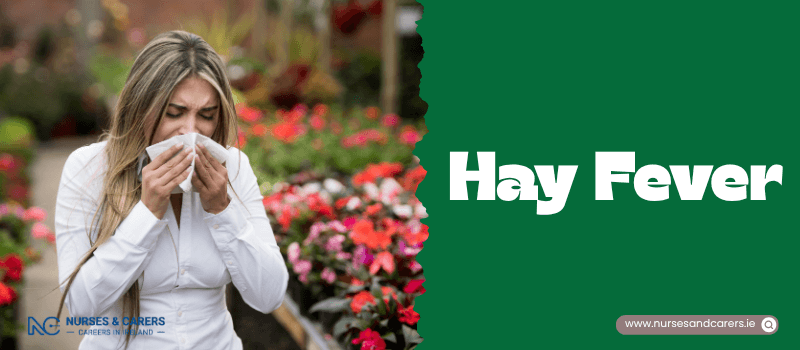
Hay fever, clinically termed seasonal allergic rhinitis, is an IgE-mediated allergic reaction triggered by exposure to pollen—a fine, microscopic powder released by trees, grasses, and weeds. Symptoms manifest rapidly once pollen grains come into direct contact with the mucous membranes of the mouth, nose, eyes, and upper respiratory tract.
In Ireland, hay fever symptoms typically peak between late March and September, aligning with specific botanical pollination cycles. Atmospheric pollen concentrations are highest during warm, humid, and windy weather conditions. While many individuals experience seasonal flare-ups lasting weeks or months, some suffer from perennial symptoms that persist year-round.
Clinical Symptoms
The systemic immune response to pollen inhalation produces a distinct cluster of clinical signs:
Respiratory: Frequent sneezing, coughing, a rhinorrhea (runny nose), or nasal congestion (blocked nose).
Ocular & Sensory: Bilateral pruritus (itching), redness, and epiphora (watery eyes); itching of the throat, palate, nose, and ears; and a temporary loss of smell (anosmia).
Systemic: Persistent frontal or temporal headaches, facial pressure around the forehead and sinuses, earaches, and chronic fatigue due to disrupted sleep.
Pediatric Presentation and Differential Diagnosis
Pediatric symptoms mirror those seen in adults. Hay fever typically emerges in children between the ages of 2 and 5; similar symptoms appearing in a child under 2 are usually driven by alternative viral or environmental etiologies.
Because it can be challenging to differentiate between an upper respiratory tract infection (the common cold) and an allergic reaction, clinicians utilize the following criteria:
Temperature & Throat: Hay fever does not present with a high fever or a painful sore throat, which are classic signs of a viral cold.
Duration: Allergic rhinitis symptoms persist for at least 6 to 8 weeks, whereas a viral cold typically self-limits within 1 to 3 weeks.
Seasonality & Itching: Hay fever triggers intense ocular and nasal itching and returns consistently at the same time each year. Note: Allergic symptoms naturally decrease or completely disappear for some individuals as they transition into adulthood.
Concomitant Asthma Management
If you have a dual diagnosis of hay fever and asthma, pollen exposure can severely exacerbate your lower airway disease. Symptoms to monitor include chest tightness, dyspnea (shortness of breath), audible wheezing, and a dry cough. Because uncontrolled allergic rhinitis significantly impairs asthma control, you should consult your General Practitioner (GP) promptly to optimize your asthma action plan during high pollen seasons.
Prevention and Environmental Control Strategies
While there is no permanent cure to prevent the underlying allergic predisposition, you can significantly mitigate your symptom burden by minimizing pollen exposure.
Recommended Interventions (Dos):
Monitor Forecasts: Check daily regional pollen counts provided by meteorological services like Met Éireann.
Create a Barrier: Apply a thin layer of petroleum jelly (Vaseline) around the outer margins of your nostrils to physically trap airborne pollen before inhalation.
Protect the Eyes: Wear wraparound sunglasses when outdoors to prevent ambient pollen grains from settling on the conjunctiva.
Decontaminate: Shower, wash your hair, and change your clothing immediately after spending time outdoors to remove accumulated allergens.
Manage Indoor Air: Keep home and vehicle windows firmly closed during high pollen count days, and plan indoor activities for children.
Eradicate Dust: Vacuum carpets regularly using a high-efficiency particulate air (HEPA) filter, and dust surfaces using a damp cloth to prevent pollen from becoming airborne.
Manage Pets: Be vigilant, as outdoor pets can transport significant quantities of pollen into living spaces on their fur.
Environmental Triggers to Avoid (Don'ts):
Do not mow lawns or walk through fields of tall grass during peak pollination periods.
Do not bring fresh flowers into the household.
Do not smoke or expose yourself to secondhand smoke, as tobacco smoke severely irritates the respiratory mucosa, exacerbating allergic inflammation.
Do not line-dry laundry outdoors during high-count days, as damp fabrics easily trap passing pollen grains.
Pharmacological Treatments
1. First-Line Pharmacy Interventions
Your local pharmacist can provide initial triage and recommend appropriate over-the-counter (OTC) medications to manage mild to moderate symptoms:
Antihistamines: Available as oral tablets, liquids, or targeted ophthalmic (eye) drops to relieve itching, sneezing, and watery eyes.
Pediatric Considerations: Always consult your pharmacist before administering antihistamines to children; select non-drowsy formulations to prevent daytime sedation, and inquire about age-appropriate saline or low-dose nasal sprays.
2. Advanced Prescriptions and Staging from Your GP
If OTC therapies fail to provide adequate relief or if symptoms progressively worsen, your GP can expand your treatment regimen:
Prescription Nasal Sprays: This includes high-potency corticosteroid nasal sprays (which suppress localized tissue inflammation) or combination antihistamine-steroid sprays.
Allergy Testing: If pediatric or adult allergies are severe and unmanaged, your GP can refer you for clinical allergy testing (such as skin-prick testing or specific IgE blood panels) to definitively isolate your triggers.
Specialist Immunotherapy: For severe, refractory cases that fail to respond to standard medical therapies, your GP may refer you to a clinical immunologist for allergen immunotherapy (desensitization treatments).
Disclaimer
The information provided here is for educational and informational purposes only. It does not constitute medical advice, diagnosis, or treatment. Always consult a qualified healthcare professional or your GP for specific medical concerns, diagnoses, or health advice. Never disregard professional medical advice or delay seeking it because of information you have read here.