
Herpes Infection in Newborn Babies (Neonatal Herpes)
11 Sept 2026 · 3 min read
On this page9 sections
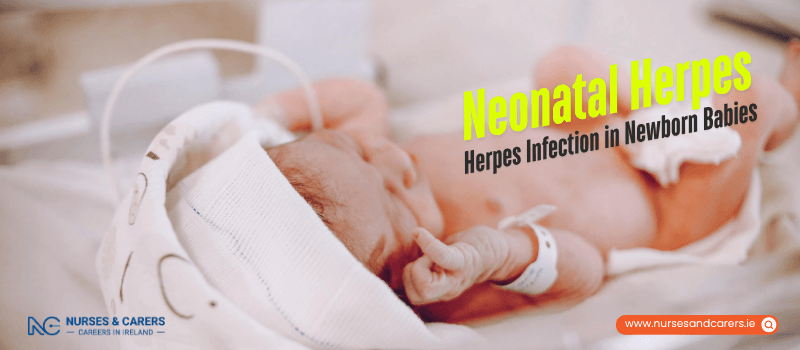
Neonatal Herpes is a viral infection in newborn babies caused by the herpes simplex virus (the cold sore virus). While it is highly uncommon, it is a critical medical emergency. Because a newborn's immune system is not yet fully developed, the virus can rapidly attack internal organs, including the brain and lungs. The risk of severe, life-threatening complications is highest during the first 4 to 6 weeks after birth.
How the Infection Spreads
Before or During Birth: Infants face the absolute highest risk if the mother contracts a primary genital herpes infection during the last 6 weeks of pregnancy.
After Birth: A newborn can contract the virus through direct contact with an individual who has an active cold sore.
Clinical Signs and Emergency Pathways
Infants with neonatal herpes can deteriorate rapidly. Monitor your baby closely for physical changes or extreme shifts in behavior.
1. Urgent Medical Assessment Required
Contact your GP immediately or go straight to the nearest Emergency Department if your baby exhibits any of the following symptoms:
Blisters, a distinct rash, or open sores on the skin, particularly clustered around the eyes or mouth.
Poor feeding or a sudden refusal to feed.
Extreme irritability or uncharacteristic fussiness.
A high temperature or fever over 38°C (100.4°F).
🚨 2. Immediate Life-Saving Emergency Action
Call 999 or 112 instantly if your newborn exhibits any of these critical red-flag signs:
The baby will not wake up, is completely unresponsive, or is exceptionally difficult to rouse from sleep.
They show clear signs of respiratory distress, including breathing abnormally fast, struggling for breath, or making noticeable grunting sounds.
The tongue, lips, or skin develops a blue or purple tint (cyanosis).
The baby experiences a seizure, fit, or involuntary convulsion.
Treatment Framework
If neonatal herpes is suspected, the infant will be admitted to the hospital immediately for diagnostic panels and fast-tracked therapy.
Antiviral Infusions: The standard treatment is intravenous (IV) antiviral medication delivered directly through a drip into a vein.
Prognosis by Location: If the infection remains localized strictly to the baby’s skin, eyes, or mouth, most infants make a full, complete recovery following the antiviral course. However, if the virus disseminates to the internal organs, the condition becomes highly dangerous and carries a risk of mortality.
Prevention Protocols
1. Maternal Safeguards During Pregnancy
Disclose History: Inform your GP, midwife, or obstetrician immediately if you have a history of genital herpes.
Suppressive Therapy: Your medical team may prescribe a safe antiviral medication to take during the final month of gestation to suppress the virus and prevent a physical outbreak of vaginal sores during labor.
Delivery Plan: If a primary outbreak of genital herpes occurs within the final 6 weeks of pregnancy, your doctor will discuss scheduling a Caesarean section to prevent the baby from contacting the virus in the birth canal.
2. Postnatal Safety Measures
If you or a caregiver develops a cold sore, or feels the tingling sensation that precedes one, enforce strict hygiene barriers:
Never kiss the baby.
Wash your hands thoroughly with soap and water before touching or holding the infant.
Completely cover any facial cold sores with a patch or dressing during close contact.
Breastfeeding Restrictions: If you develop herpes blisters directly on your breast or around the nipple area, do not breastfeed from that breast. Consult your GP or public health nurse immediately for safe feeding alternatives and expression techniques.
Disclaimer
The information provided here is for educational and informational purposes only. It does not constitute medical advice, diagnosis, or treatment. Always consult a qualified healthcare professional or your GP for specific medical concerns, diagnoses, or health advice. Never disregard professional medical advice or delay seeking it because of information you have read here.