
Hidradenitis Suppurativa (HS)
11 Sept 2026 · 5 min read
On this page14 sections
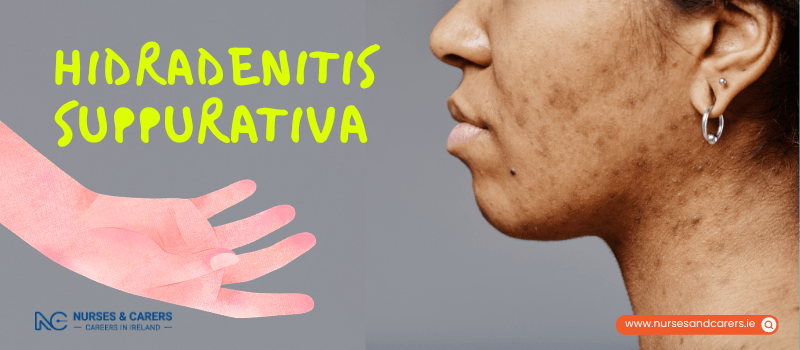
Hidradenitis Suppurativa (HS) is a chronic, painful skin condition characterized by recurrent abscesses, inflammatory nodules, and deep scarring . It primarily develops around hair follicles in areas populated by specialized sweat glands, most commonly the groin, buttocks, breasts, and armpits.
HS affects approximately 1 in 100 individuals and is significantly more prevalent in women than in men . Early clinical recognition is essential to prevent tissue destruction and disease progression.
Symptoms and Disease Progression
The presentation of HS ranges from mild, isolated nodules to severe, systemic skin involvement . The condition manifests as a combination of:
Open and closed comedones (blackheads) .
Tender, firm nodules, boils, and fluid-filled cysts .
Fleshy, elevated lumps on the skin surface .
Subcutaneous tunnels (sinus tracts) that connect beneath the skin, breach the surface, and chronically leak foul-smelling pus .
Fibrotic, restricted scarring from repeated inflammatory cycles .
Common Anatomical Zones
Lesions typically appear in the armpits, beneath the breasts, around the groin and genitals, and across the buttocks and perianal region . In advanced or progressive cases, the disease can spread to the neck, face, back, waistband line, inner thighs, and legs .
Note: While the primary nodules are inflammatory rather than infectious, they can become breached by environmental bacteria, leading to painful secondary bacterial infections that require acute antibiotic care.
Pathophysiology and Risk Factors
The precise cause of HS is unknown, but the lesions originate from the structural blockage and subsequent rupture of hair follicles.
Genetics: Approximately 1 in 3 individuals with HS have a known family history of the disorder, proving a genetic link.
Lifestyle Factors: Tobacco use and obesity are highly correlated with HS . Both factors trigger systemic inflammation and significantly worsen symptom severity.
Hormonal Influences: The disease typically emerges around puberty and declines sharply after menopause, indicating that sex hormones drive flares. It frequently co-occurs with severe acne and excessive hair growth (hirsutism .
Systemic Links: In rare instances, HS is linked to Crohn's disease, particularly when lesions present persistently around the groin and perianal skin.
Misconception Alert: Hidradenitis suppurativa is entirely non-infectious, cannot be transmitted to others, and is absolutely not caused by poor personal hygiene.
Diagnostic Process
There is no single diagnostic blood test or laboratory panel for HS. A GP establishes a diagnosis through a physical examination of the distributed lesions and a review of their recurrence patterns .
If a lesion is actively oozing, the doctor may take a surface swab to identify any secondary bacterial infections. Because early-stage nodules closely resemble standard acne vulgaris, furuncles, or ingrown hairs, misdiagnosis is common.
Medical and Surgical Treatment Framework
This information is for general knowledge and should not be taken as medical advice. Consult with a healthcare provider before starting any new treatment or managing medical conditions.
Management plans are designed based on disease staging, balancing anti-inflammatory medications with surgical options for structural tissue damage.
1. Targeted Antibiotic Therapies
Acute Pulses: For highly painful, inflamed, and actively draining flares, a short 1- to 2-week course of targeted oral antibiotics is used to address suspected secondary infections.
Long-Term Suppressive Therapy: If a bacterial infection is absent, low-dose oral or topical antibiotics are prescribed for a minimum of 3 months . This regimen acts purely as a systemic anti-inflammatory to reduce the frequency and volume of new nodules.
Dermatology Compounds: For severe, refractory cases, a specialized combination of clindamycin and rifampicinis highly effective, though this is restricted to prescription by a dermatologist.
2. Antiseptic Cleansers
Daily cleansing of the vulnerable anatomical zones with medical-grade antiseptic washes, such as 4% chlorhexidine, is standard practice alongside oral therapies to reduce localized bacterial loads.
3. Hormonal Control
If tracking reveals that your HS exhibits distinct pre-menstrual flare-ups, your doctor may discuss managing symptoms using the combined oral contraceptive pill to stabilize hormonal fluctuations.
4. Advanced Specialist Treatments
When baseline therapies fail, a GP will refer the patient to a dermatologist for advanced therapies:
Systemic Retinoids: Vitamin A derivatives (like isotretinoin or acitretin) are occasionally explored, though they are less effective for HS than for classic acne .
⚠️ Critical Safety Warning: Retinoids carry a severe risk of causing birth defects. They must never be taken if you are pregnant or planning a pregnancy .
Immunosuppressive Biologics: For severe, tracking disease, advanced biologic therapies like adalimumab or infliximab are prescribed . These target specific inflammatory pathways via regular injections (administered at home or in a hospital clinic), but require strict monitoring due to systemic immunosuppression risks .
Corticosteroids: Brief courses of oral prednisolone or direct intralesional steroid injections may be used to rapidly calm severely inflamed, agonizing nodules . Side effects include weight gain, insomnia, and mood swings.
5. Surgical Intervention
If extensive sinus tracts have formed under the skin or chronic abscesses refuse to resolve with medication, surgical correction is required . Performed under local or general anesthesia, operations involve unroofing the tracts or completely excising the chronically damaged skin tissue areas .
Recovery: Post-operative hospital stays typically last 2 to 3 days, with a return to work expected in 3 to 6 weeks depending on wound size .
Lifestyle and Daily Management Guidelines
Implementing protective daily habits can minimize friction and localized skin irritation:
Wear loose-fitting, breathable garments to prevent rubbing against active lesions .
Apply a clean washcloth soaked in warm water directly to painful lumps to encourage safe, natural fluid drainage .
Avoid shaving over vulnerable or affected skin zones .
Avoid applying alcohol-based perfumes, fragranced lotions, or heavy perfumed deodorants to high-risk areas .
Enlist in a cessation program to completely stop smoking .
Mental Health Support
Living with chronic pain, drainage, and the continuous need to manage dressings can significantly diminish your day-to-day quality of life and trigger clinical depression or anxiety . If you are finding it difficult to cope with the physical or emotional burden of HS, speak openly with your GP to access psychological support and pain management resources .
Disclaimer
The information provided here is for educational and informational purposes only. It does not constitute medical advice, diagnosis, or treatment. Always consult a qualified healthcare professional or your GP for specific medical concerns, diagnoses, or health advice. Never disregard professional medical advice or delay seeking it because of information you have read here.