
Hip Replacement
11 Sept 2026 · 13 min read
On this page28 sections
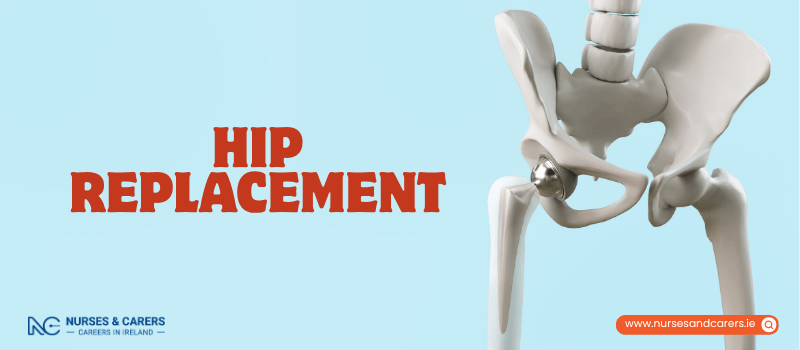
A hip replacement is a common major surgery that replaces a damaged, worn-out hip joint with an artificial one (a prosthesis). While adults of any age can undergo this procedure, most patients are between 60 and 80 years old. These artificial joints are highly durable, lasting for at least 15 years, and significantly reduce pain while restoring mobility.
When a Hip Replacement Is Needed
The most common medical driver for hip replacement surgery is osteoarthritis, which causes joints to become painful and stiff. Other conditions that cause severe hip joint damage include:
Rheumatoid Arthritis: A chronic, systemic inflammatory condition affecting the joints.
Ankylosing Spondylitis: A type of arthritis causing chronic stiffness and inflammation in the spine and large joints.
Septic Arthritis: A severe, acute joint infection.
Hip Fractures: Traumatic structural breaks in the bone.
Bone Growth Disorders: Conditions that trigger unusual or abnormal bone development.
Who Is Eligible for Surgery?
Because a hip replacement is a major surgical procedure, your GP will typically consider it only when conservative treatments (such as medication or physical therapy) fail. You may be offered surgery if:
Severe pain, swelling, and stiffness significantly reduce your daily mobility.
Persistent hip pain diminishes your quality of life, disrupts your sleep, or negatively impacts your mental health (e.g., causing depression).
Everyday tasks like shopping, working, socializing, or getting out of a bath become difficult or impossible.
Your overall health profile confirms you are physically well enough to withstand major surgery and commit to the intensive recovery process.
Preparing for the Surgery
Proper preoperative preparation helps ensure a smoother postoperative recovery.
Gather Information: Learn what to expect during and after the procedure, and clarify any questions with your surgical team.
Stay Physically Active: Engage in gentle, low-impact exercises like walking or swimming in the weeks leading up to surgery.
Build Muscle Strength: Strengthening the supportive muscles surrounding your hip joint accelerates recovery.
See a Physiotherapist: Your doctor may refer you to a physiotherapist to learn targeted, safe preoperative exercises.
Hip replacement surgery
is an advanced, highly structured procedure that takes 60 to 90 minutes to complete. It involves removing the damaged components of the joint and replacing them with highly durable prosthetic materials.
1. Anaesthetic Options
Before surgery, you will discuss anaesthetic options with your care team to determine the safest method for your profile:
General Anaesthetic: You are completely asleep throughout the procedure.
Spinal or Epidural Anaesthesia: An injection into your spine numbs your lower body. This is frequently combined with sedation to keep you relaxed and drowsy, meaning you likely will not remember the operation.
Note: Surgeons often recommend an epidural for patients with existing health conditions, as it carries a lower risk of clinical complications.
2. The Surgical Procedure
Once the anaesthetic takes effect, the surgeon performs the following steps:
An incision is made in the skin over the hip joint.
The damaged ball at the top of the thigh bone (femur) is surgically removed.
The natural hip socket is deepened and prepared.
An artificial socket (cup) is fitted firmly into the pelvic bone.
A metal stem topped with a smooth, artificial ball is inserted into your thigh bone and fitted into the new socket.
3. Implant Materials and Fixation Techniques
Prosthetic implants are constructed from premium plastic, metal, ceramic, or a hybrid combination. Your surgeon will select the optimal material for your anatomy. These components are secured to your skeleton using one of two methods:
Cemented Fixation: The prosthetic parts are bonded tightly to healthy bone using a specialized acrylic bone cement.
Uncemented Fixation: The parts feature a rough, porous surface. This design stimulates your natural bone to grow directly onto the implant over time, locking it permanently in place.
Note: Metal-on-metal implants are less common today due to potential soft-tissue complications, which your surgeon can discuss with you.
4. Alternative Surgical Approaches
Minimally Invasive Hip Replacement
Traditional vs. Minimally Invasive: Traditional surgery requires a 20cm to 30cm incision. The minimally invasive approach uses a much smaller cut of roughly 10cm alongside specialized surgical tools.
Benefits: It is clinically proven to be just as safe and effective as traditional surgery while causing less postoperative pain.
Availability: Because this technique requires highly specialized training, it is not widely available, and waiting times may be significantly longer.
Hip Resurfacing
How it differs: Instead of removing the entire ball of the thigh bone, the surgeon removes only the damaged surface tissue and caps it with a metal covering, preserving more of your natural bone.
Exclusions: This technique is generally unsuitable for adults aged 65 and older, or post-menopausal women, due to the natural age-related weakening of bones (osteoporosis). It is less commonly performed today because the metal surfaces can sometimes irritate surrounding soft tissues.
Metal-on-metal (MoM) hip implants consist of a joint where both the replacement ball (at the top of the thigh bone) and the replacement cup (the pelvic socket) are constructed from metal surfaces. While they were utilized in a small number of procedures, they are no longer performed routinely. Most individuals with these implants maintain well-functioning hips, but because some MoM implants wear down prematurely, lifelong medical monitoring is essential.
1. Key Risks: Wear, Tear, and Material Shedding
Localized Tissue Damage: As the metal ball and cup glide against one another during movement, friction can cause microscopic metal particles to shed into the surrounding joint space. This can trigger localized inflammation, discomfort, or progressive damage to the nearby bone and soft tissue. If undetected, this wear can loosen the implant, causing pain and requiring corrective revision surgery.
Systemic Metal Ions: The friction can also release electrically charged molecules (metal ions) into your bloodstream, which are measured at follow-up clinics to gauge implant wear. This presence does not cause blood poisoning or sepsis, and there is no definitive link to general illness. However, in rare instances, exceptionally high ion levels may affect the heart, thyroid gland, or nervous system.
2. Lifelong Monitoring Protocol
Because complications can develop without obvious early symptoms, you must be checked regularly for as long as you have a metal-on-metal implant. Routine check-ups serve as a proactive safety measure and include:
Periodic blood tests to closely measure the concentration of metal ions.
Diagnostic imaging, such as an MRI or ultrasound scan, if you display physical symptoms of a problem or if your blood tests show rising metal ion levels.
3. Symptoms Requiring Clinical Evaluation
Contact your GP or orthopedic surgeon if you notice any localized changes in your hip area. These signs do not automatically mean your implant is failing, but they require a formal medical investigation:
New or worsening pain in your groin, hip, or leg.
Visible swelling at or near the hip joint.
Developing a limp or encountering new difficulties while walking.
Audible or physical grinding, clicking, or clunking sensations originating from the joint.
4. General Health Changes to Report
You must also inform your doctor if you experience any subtle shifts in your systemic health, as high metal ion levels can rarely impact other organs. Report any instances of:
Chest pain or unexplained shortness of breath.
Unusual numbness, tingling, or localized weakness.
Sudden changes in your vision or hearing.
Chronic fatigue, feeling unusually cold, or unexpected weight gain.
The timeline and success of your recovery depend on your personal health profile and the surgical approach used. Adhering closely to the clinical guidance provided by your hospital team ensures the long-term durability of your new joint.
Immediate Postoperative Care
When you wake up in the ward, you will be positioned flat on your back.
Initial Setup: You may have a specialized alignment pillow secured between your legs to keep the joint stable, along with a large sterile dressing covering your incision.
Nutrition: Depending on your alertness and nausea levels, you can usually sip water or consume a light meal roughly one hour after returning to your room.
Medication: Nurses will continuously monitor your vital signs and administer localized abdomen injections to prevent deep vein thrombosis (blood clots), along with intravenous antibiotics to stop infections.
Mobility and Physiotherapy
Early movement is clinically proven to accelerate recovery and prevent blood clots.
Walking Timeline: If you underwent a minimally invasive procedure or are enrolled in an enhanced recovery pathway, you may be assisted to stand and walk on the very same day as your surgery.
Expected Discomfort: Swelling in the feet and legs, alongside localized surgical soreness, is normal during early exercises.
Physiotherapy Guidance: A physiotherapist will teach you targeted strengthening exercises, demonstrate how to sit and bend without dislocating the joint, and train you on how to safely navigate using crutches, canes, or a walker.
Transitioning to Home Care
Most patients are safely discharged roughly 3 days after surgery, depending on their progress.
Home Support: Arrange for a family member, friend, or home care assistant to help you with meal preparation and daily tasks for the first week.
Fall Prevention: A fall in the early weeks can severely damage the implant and necessitate corrective surgery. Take exceptional care on stairs, slick bathroom tiles, and in the kitchen.
Wound Monitoring: Localized surgical pain is expected but will subside.
⚠️ Clinical Warning: Contact your GP immediately if you notice redness spreading around the incision, fluid oozing from the wound, or a sudden, severe increase in joint pain.
Daily Movement Guidelines (Dos and Don'ts)
To protect your hip from dislocation or structural damage, strictly follow these biomechanical rules:
Do:
Perform your prescribed physiotherapy exercises diligently every day.
Take small, deliberate steps when turning your body around.
Use raised toilet seats and high, firm chairs to avoid over-bending the joint.
Don't:
Do not bend your hip past a 90-degree angle during any daily activity.
Do not cross your legs or ankles at any time.
Do not twist or pivot your hip, and never swivel on the ball of your foot.
Avoid any movement or position that triggers acute joint discomfort.
Timeline for Returning to Activities
4 to 6 Weeks: Most patients can safely transition off crutches or walking aids.
6 Weeks: You can typically resume sleeping on your side, driving a car (once you possess the leg strength to execute an emergency stop), and taking short flights (flying earlier drastically raises blood clot risks).
6 to 8 Weeks: You may resume sexual activity, avoiding extreme angles or vigorous positioning.
6 to 12 Weeks: You will attend your first formal orthopaedic follow-up appointment. Most individuals return to light desk work during this window, depending on their physical demands.
3 Months: You can typically return to most normal daily activities. However, continue to avoid extreme impact sports or activities with high fall risks (like skiing or outdoor cycling).
1 Year: It can take up to a full year of tissue healing to experience the comprehensive benefits and maximum strength of your new hip.
Future Revision Surgery
Most primary hip implants function optimally for 15 years or more. If an implant eventually fails or wears down, a second operation (revision surgery) may be performed. Revision surgeries are technically more complex, take longer to execute, and carry a higher risk profile than initial replacements. However, a successful revision implant typically remains functional for 10 years or more.
While hip replacement surgery is a highly common and generally successful procedure, it carries specific risks and potential complications. Understanding these variables allows you to monitor your recovery effectively and seek timely medical intervention.
Most Common Complications
Loosening of the Joint: This is the most frequent long-term issue, affecting roughly 1 in 10 patients. It occurs when the implant stem loosens inside the thigh bone or the surrounding bone thins out, leading to pain and instability. While it can happen at any time, it typically surfaces 10 to 15 years post-surgery and may require complex revision surgery.
Wear and Tear: Natural friction between the artificial ball and cup sheds microscopic particles over time. These particles can be absorbed by surrounding tissue, accelerating joint loosening. If your surgeon identifies wear on an X-ray, you will need regular radiographic monitoring and potentially corrective surgery.
Hip Dislocation: The replacement ball can physically pop out of its socket, a complication affecting about 3 in 100 cases. This is most common during the first few months while your supporting tissues are still healing. A dislocation requires an immediate medical procedure or surgery to reset the joint.
Joint Stiffening: Soft tissues around the implant can occasionally harden, reducing your overall mobility. While this is usually painless, surgeons proactively prevent it using targeted medications or a quick, controlled dose of radiation therapy.
Leg Length Discrepancy: The operated leg may naturally finish slightly shorter or longer than your other leg. While many patients adapt to this change over time, some may require a specialized raised shoe insert to balance their gait.
Structural Injuries: There is a minor risk of sustaining localized fractures or direct injuries to the nerves or blood vessels during the operation.
Serious but Rare Complications
Serious complications occur in fewer than 1 in 100 hip replacements. Recognizing the early warning signs of these issues is critical.
1. Blood Clots (Deep Vein Thrombosis & Pulmonary Embolism)
A small risk of clotting exists during the initial weeks of recovery. Prevention methods include blood-thinning medications, compression stockings, and early mobility exercises.
Urgent Advice: Seek immediate emergency medical care if you suspect a blood clot. Watch for these key symptoms:
Deep Vein Thrombosis (DVT - Leg Clot): Sudden swelling, pain, warmth, or spreading redness in one calf or leg.
Pulmonary Embolism (PE - Lung Clot): Sudden shortness of breath, rapid breathing, dizziness, coughing up blood, or sharp chest pain that worsens when inhaling.
2. Joint Infection
Bacteria can occasionally infiltrate the deep tissues surrounding the new artificial joint.
🚨 Urgent Advice: Seek medical help immediately if you suspect an infection. Symptoms include:
A high temperature (fever) of 38°C or above accompanied by chills or shaking.
Spreading redness, swelling, or heat at the surgical site.
Pus or abnormal fluid discharge draining from the wound.
Severe hip pain that persists even while you are completely resting.
Disclaimer
The information provided here is for educational and informational purposes only. It does not constitute medical advice, diagnosis, or treatment. Always consult a qualified healthcare professional or your GP for specific medical concerns, diagnoses, or health advice. Never disregard professional medical advice or delay seeking it because of information you have read here.