
Home Oxygen Therapy
11 Sept 2026 · 6 min read
On this page14 sections
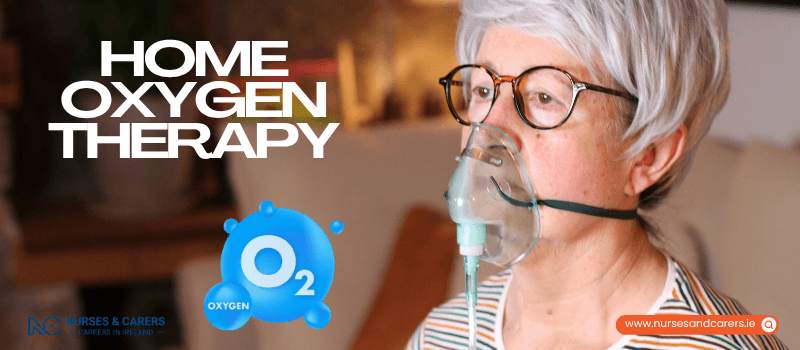
Home oxygen therapy involves breathing in air that contains a significantly higher concentration of oxygen than normal air. This supplemental oxygen is delivered through a specialized device in your home and inhaled using a mask or tubing.
This therapy is highly effective at reducing chronic fatigue and breathlessness caused by pathologically low blood oxygen levels. It is commonly prescribed to manage advanced cardiopulmonary conditions, including Chronic Obstructive Pulmonary Disease (COPD), Interstitial Lung Diseases (ILDs), and specific heart disorders.
⚠️ Critical Medical Warning: Only utilize home oxygen therapy if it is explicitly prescribed by your medical specialist. Sourcing or purchasing oxygen online without a prescription is extremely dangerous and can cause severe organ damage, brain injury, or death.
1. Clinical Assessment and Free Care
If your physician suspects you require oxygen therapy, they will refer you to a specialist clinic for a comprehensive diagnostic evaluation.
The Assessment: Clinical staff will measure your blood oxygen levels using a non-invasive finger/earlobe pulse oximeter, alongside an Arterial Blood Gas (ABG) blood test. Because an ABG requires specialized laboratory handling, it cannot be performed at your local GP surgery.
Cost Subsidies: If you hold a valid Irish Medical Card, your home oxygen equipment, regular servicing, and supplies are completely free of charge.
2. Delivery Methods and Equipment Types
Oxygen is delivered directly to your airways using either nasal prongs (cannulae) or a face mask covering your nose and mouth. Depending on your prescription, your device will deliver either a continuous flow or a pulsed flow (which releases oxygen only when you actively inhale).
Your specialist team will match you with one of five primary equipment configurations:
Oxygen Concentrator: A stationary machine that plugs into the wall and constantly filters oxygen out of the surrounding room air.
Portable Cylinders: Compact gas cylinders available in multiple sizes to facilitate mobility outside the home.
Portable Concentrators: Battery-powered devices designed to give you freedom of movement.
Liquid Oxygen: Highly concentrated oxygen stored at freezing temperatures in specialized cooling vats.
Home Fill Systems: A combined setup that allows you to safely refill your own small, portable cylinders directly from your home concentrator.
Note: Technicians always provide large, non-electric backup oxygen cylinders during installation to protect you in the event of an electrical power cut.
3. Home Safety Protocols
Because oxygen supports combustion, it creates a severe fire hazard if managed incorrectly. A technician will perform a strict home safety risk assessment before setting up your machine.
Essential Dos:
Alarms: Install functional, regularly tested smoke detectors and fire alarms throughout your house.
Emergency Services: Immediately notify your local fire brigade that you are storing medical oxygen on the premises.
Appliance Clearances: Keep your oxygen device at least 3 metres away from any appliances with an open flame (such as gas cookers or fireplaces) and at least 1.5 metres away from electrical appliances (such as TVs, hairdryers, or space heaters).
Ventilation: Operate your device only in well-ventilated rooms, keeping windows slightly cracked open when possible.
Skincare: Use exclusively water-based lubricants to treat dry lips or nasal passages. If you use alcohol-based hand sanitiser, ensure your hands are completely dry before touching your equipment.
Shutdown: Power off your device immediately whenever it is not actively in use.
Critical Don'ts:
No Smoking or Vaping: Never smoke or vape, and never allow anyone else to smoke near you while your device is active.
No Fire Rooms: Do not use or store oxygen equipment in a room containing an active open fire.
No Volatile Chemicals: Avoid using flammable household products, such as paint thinners, cleaning fluids, or aerosol sprays, near the machine.
No Oil-Based Products: Never apply oil-based emollients like Vaseline to your face or nose, as petroleum products act as immediate fuel for fires in oxygen-rich environments.
No Setting Changes: Do not alter the flow rate or settings on your device without explicit instructions from your specialist medical team.
4. Component Maintenance and Handling
Mask and Cannula Care
Clean your nasal prongs regularly using a clean, damp cloth. Avoid using commercial wet wipes. Contact your supplier for a full replacement if the prongs become deeply soiled.
Never leave an active cannula or mask resting directly on furniture, mattresses, or bedding. Do not drape clothing or fabrics over operating machinery.
Extension Tubing Safety
Ensure your supplier provides enough extension tubing to let you navigate your home freely. Inspect the lines regularly for kinks or punctures, and keep them coiled away from walking paths to prevent dangerous trips and falls.
Verify that your lines are fitted with plastic firebreak connectors to stop a line fire from travelling up the tube toward the machine.
Always plug concentrators directly into a main wall socket. Avoid extension cords. If an extension lead is mandatory, it must be CE-marked and possess built-in power-surge protection.
Portable and Liquid Systems
Never conceal a portable oxygen unit under heavy coats, shawls, or blankets. Use only backpacks specifically designed with ventilation pathways for carrying oxygen.
Liquid Oxygen Burn Risks: Liquid oxygen is intensely cold and can cause severe frostbite burns upon contact. Contact your supplier immediately if you sustain skin burns or encounter difficulties refilling your portable canisters. Always request a replenishment before your current supply runs empty.
5. Authorized Suppliers in Ireland
Two contracted companies manage home oxygen delivery, installations, and device troubleshooting in Ireland:
Air Liquide Healthcare: Phone 1800 240 202 | Email HealthIE@airliquide.ie
Vivisol: Phone 1800 350 300 | Email patientsupport@vivisol.ie
6. Travel and Holiday Planning
Traveling Within Ireland
You can safely holiday within the Republic of Ireland. If you hold a Medical Card, you are entitled to free holiday oxygen delivery at your destination. You must notify your contracted supplier as far in advance as possible to arrange localized logistics.
Traveling Abroad
Public health infrastructure cannot supply or fund oxygen equipment outside the Republic of Ireland, and your standard home equipment cannot be removed from the country.
Clinic Approval: Consult your specialist respiratory clinic before booking international travel.
Airlines: Most airlines require an official consultant's letter or a copy of your current prescription. You must independently book, arrange, and fund your flight-approved oxygen directly through the airline company.
Destination Planning: You are responsible for sourcing and paying for your external oxygen supply for the entire duration of your stay abroad. Comprehensive travel insurance covering your respiratory condition is mandatory.
Disclaimer
The information provided here is for educational and informational purposes only. It does not constitute medical advice, diagnosis, or treatment. Always consult a qualified healthcare professional or your GP for specific medical concerns, diagnoses, or health advice. Never disregard professional medical advice or delay seeking it because of information you have read here.