
How to Clean Your Hands
11 Sept 2026 · 4 min read
On this page7 sections
Regularly cleaning your hands with soap and water or alcohol-based hand sanitiser is one of the most effective ways to disrupt the transmission of pathogenic bacteria and viruses. Proper hand hygiene prevents the spread of highly contagious illnesses, including the common cold, influenza, norovirus (tummy bugs), conjunctivitis, COVID-19, and hospital superbugs like MRSA and VRE.
⚠️ Fire Safety Warning: Most effective hand sanitisers are alcohol-based and highly flammable. Never apply alcohol-based hand sanitiser near heat sources, open appliances, or a naked flame.
1. Step-by-Step Handwashing Technique
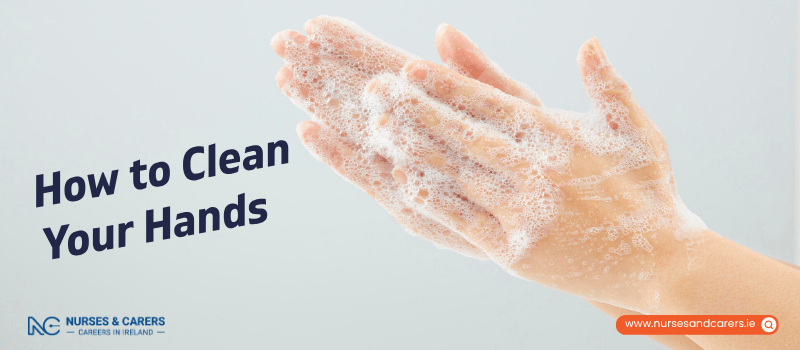
To thoroughly remove pathogens, a proper handwash must take at least 20 seconds. Follow this systematic clinical sequence:
Wet and Lather: Wet your hands under warm running water and apply a sufficient amount of soap. Rub your hands together palm-to-palm until a thick lather forms.
Dorsal and Interdigital Cleaning: Place the palm of your right hand over the back of your left hand, linking your fingers together to clean thoroughly between the webbed spaces. Repeat this process with your left palm over the back of your right hand.
Fingertips and Knuckles: Interlock the fingers of both hands together, rubbing the backs of your fingers against your opposite palms to scrub your fingertips and knuckles.
Thumb Sanitation: Clasp your left thumb tightly inside your right palm and rotate in a twisting motion to clean it. Repeat the process by clasping your right thumb inside your left palm.
Rinse and Dry: Rinse all soap and residue completely away under clean running water. Dry your hands thoroughly using a fresh, clean fabric towel or a single-use paper towel.
Skin Care Tip: If you suffer from dry skin or a dermatological condition, apply a nourishing moisturiser immediately after drying your hands and right before bed.
2. High-Risk Moments for Hand Hygiene at Home
Many infectious illnesses are highly prevalent in children. Parents, guardians, and childcare workers must ensure children clean their hands regularly. Always wash your hands at these critical touchpoints:
Before preparing, handling, or eating any food.
Immediately after touching raw meat or poultry.
Directly after using the toilet.
As soon as you finish cleaning up after a pet or handling animal waste.
Immediately after using public transport.
Upon arriving home after visiting crowded spaces or interacting with groups of people.
3. Hand Hygiene in Healthcare Settings
Healthcare-associated infections affect hundreds of people daily, occasionally leading to severe illness or death. Crucially, 30% to 50% of hospital-acquired infections are entirely preventable through strict hygiene adherence.
Guidelines for Patients:
If you are admitted to a healthcare facility with an active infection, clinical staff will provide targeted barrier protocols. To prevent cross-contamination within a ward:
Wash your hands frequently, especially before meals and immediately after using the toilet.
Use strictly your own personal hygiene items, including your soap, flannel, sponge, and razor.
Never share food, snacks, newspapers, or personal belongings with other patients.
Stay within your designated bed space and strictly limit physical contact with other patients.
Promptly alert ward staff if any handwashing stations, toilets, or clinical facilities appear unclean.
Guidelines for Visitors:
Sanitise your hands using an alcohol hand rub or soap and water immediately upon entering a hospital ward, and repeat the process when leaving.
If your visit is prolonged or you are actively assisting a patient with physical tasks, clean your hands at regular intervals.
If you have visible dirt on your hands or beneath your fingernails, you must wash thoroughly with soap and water first, followed by an alcohol hand rub application to ensure clinical decontamination.
4. Supporting Infection Prevention via Vaccines
While hand hygiene physically removes germs, vaccinations train your immune system to fight infections directly, protecting your family from severe complications.
Routine Checks: Consult your GP or pharmacist to confirm your children are fully up to date with their routine childhood immunisations.
Annual and Targeted Vaccines: Ask your healthcare provider about your eligibility for the annual seasonal influenza vaccine, updated COVID-19 boosters, or the pneumococcal vaccine. Staying current with these immunisations is vital for older adults and individuals managing long-term health conditions.
Disclaimer
The information provided here is for educational and informational purposes only. It does not constitute medical advice, diagnosis, or treatment. Always consult a qualified healthcare professional or your GP for specific medical concerns, diagnoses, or health advice. Never disregard professional medical advice or delay seeking it because of information you have read here.