
Hyperemesis Gravidarum (HG)
11 Sept 2026 · 6 min read
On this page11 sections
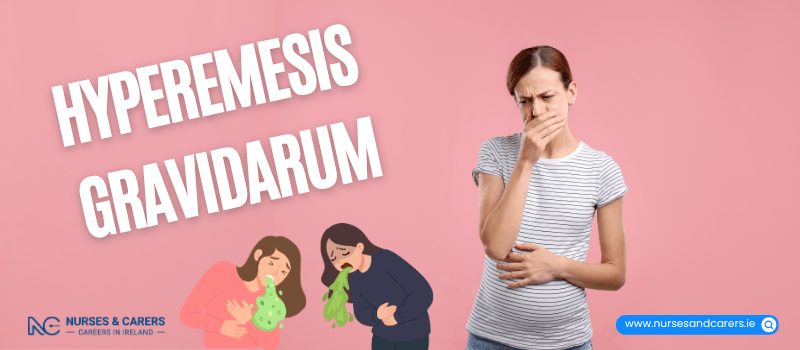
Hyperemesis gravidarum (HG) is the clinical term for severe, protracted nausea and vomiting during pregnancy. While standard "morning sickness" affects roughly 80% of pregnant individuals, HG is a far more intense and debilitating condition that impacts 1 to 3 out of every 100 pregnancies.
Unlike typical pregnancy sickness, the symptoms of HG do not usually subside past the first trimester and can severely disrupt daily functioning. If managed properly, HG will not harm your baby. However, severe, unmanaged maternal weight loss can increase the statistical risk of the infant being born small for gestational age.
1. Recognizing the Symptoms of HG
HG is characterized by persistent, violent physical symptoms that extend far beyond normal pregnancy nausea. Major signs include:
Incessant, severe nausea.
Frequent and forceful (projectile) vomiting.
Rapid, unintentional weight loss.
Ptyalism (the production of excessive volumes of saliva).
Profound, chronic exhaustion and tiredness.
2. Suspected Causes and Recurrence
The exact underlying pathology of HG is not fully understood, but it is highly linked to a combination of biological variables:
Hormonal Surges: Rapidly escalating levels of pregnancy hormones (such as hCG and progesterone).
Nutritional Deficiencies: A severe lack of Vitamin B6 (pyridoxine) is clinically proven to worsen the severity of the vomiting.
Genetics: A family history of the condition increases your risk.
Recurrence: If you suffered from HG in a previous pregnancy, you face a very high probability of developing it again in subsequent pregnancies, which may necessitate early hospitalization or strict bed rest.
3. Guidelines for Seeking Medical Help
Non-Urgent Medical Advice
Arrange a consultation with your GP or midwife if you are beginning to lose weight, experience mild but frequent dizziness, or notice early signs of dehydration. Early clinical intervention can prevent severe weight drops and fluid depletion.
🚨 Urgent Medical Action Required
Go directly to your GP surgery or contact your maternity hospital's emergency unit immediately if you display any of the following severe markers of dehydration or complications:
You cannot keep any fluids down for 24 consecutive hours.
You are vomiting multiple times a day or are vomiting blood.
You experience severe dizziness, lightheadedness, or fainting episodes.
Your urine turns a dark, concentrated colour.
You are peeing far less frequently than normal, or have not passed urine for 8 hours.
You experience acute pain or notice visible blood when peeing.
Hyperemesis gravidarum (HG) is clinically managed using targeted pharmaceutical interventions, supportive hospital care, and specific dietary adjustments. Because every pregnancy is unique, you may need to work closely with your GP or obstetrician to try different medication classes until you identify the most effective treatment for your symptoms.
1. Medical and Pharmaceutical Treatments
Prescription and over-the-counter supplements are vital to control vomiting, protect your metabolic health, and prevent dehydration:
Anti-Sickness Drugs (Antiemetics): Prescribed by your doctor to physically block the brain signals that trigger severe nausea and vomiting.
Vitamin Supplementation: High doses of Vitamins B6 (pyridoxine) and B12 are used to naturally reduce the severity of pregnancy sickness.
Corticosteroids (Steroids): Reserved for severe, persistent cases of HG that fail to respond to standard anti-sickness medications.
Folic Acid and Prenatal Vitamins: Critical for your baby's development. Take these daily during at least the first 12 weeks of pregnancy. Tip: Time your doses for moments in the day when your nausea is at its lowest to ensure you do not vomit the vitamins.
2. Inpatient Hospital Care
If your symptoms are severe, or if you present with underlying complications, your medical team will admit you to the maternity ward for continuous monitoring and stabilization.
Clinical Checks Performed in Hospital:
Vitals and Physical Exams: Routine monitoring of your blood pressure and pulse, paired with physical examinations of your abdomen.
Urinalysis: Testing your urine to rule out hidden urinary tract infections and to screen for ketones. High ketone levels are a critical biomarker indicating that your body is breaking down its own fat stores for energy because you cannot retain food.
Laboratory Blood Draws: Performed to track pregnancy hormone levels and precisely evaluate your level of dehydration or electrolyte imbalance.
Ultrasound Scans: Used to confirm healthy fetal growth and rule out other underlying causes of extreme vomiting, such as a multiple pregnancy (twins) or a molar pregnancy.
Clot Prevention: Extended bed rest and severe dehydration drastically elevate your risk of blood clots. While hospitalized, you may be fitted with elastic compression stockings or given small daily injections into your abdomen to prevent deep vein thrombosis (DVT).
Intravenous (IV) Therapy:
You will be placed on strict bed rest and given an IV drip (a small plastic cannula inserted into a vein in your hand or arm). The IV line will continuously rehydrate your body with fluids and electrolytes until your vomiting improves. Anti-sickness medications and high-dose B vitamins can also be administered directly through the IV line for immediate absorption.
Note: Your symptoms will generally decrease as your pregnancy progresses, but you may still need to continue taking oral anti-sickness tablets for several weeks after being discharged from the hospital.
3. Home Management Strategies
If your doctor confirms that your condition is stable enough to be managed at home, you can mitigate your symptoms using these lifestyle adjustments:
Maximize Rest: Get as much sleep and physical rest as possible. Plan your daily schedule or work hours to avoid activities during the times of day when your nausea peaks.
Avoid Triggers: Actively identify and bypass environmental triggers, especially strong cooking smells, perfumes, or synthetic odors.
Alternative Hydration: Drink plenty of fluids in tiny, frequent sips. If you cannot keep water down, try eating high-water-content foods like watermelon or frozen ice lollies.
Herbal Infusions: Sip teas made with ginger, fennel, or peppermint, which are naturally proven to calm stomach lining irritation.
Nutritional Pacing: Eat small snacks every 2 to 3 hours rather than large meals. Bland, carbohydrate-rich options like dry crackers or plain biscuits are best tolerated.
Separate Eating and Drinking: Avoid consuming liquids and solid foods at the exact same time during a meal, as this reduces the volume in your stomach and helps curb the urge to vomit.
Acupressure: Utilize acupressure bands or perform targeted self-massage by applying firm finger pressure to specific pressure points on your wrists to reduce nausea.
Dietary Reassurance: Do not worry if your current diet lacks nutritional variety or feels unhealthy. The immediate, primary goal is to maintain your caloric intake and prevent weight loss. You can return to a healthy, balanced diet once your sickness is under clinical control.
Disclaimer
The information provided here is for educational and informational purposes only. It does not constitute medical advice, diagnosis, or treatment. Always consult a qualified healthcare professional or your GP for specific medical concerns, diagnoses, or health advice. Never disregard professional medical advice or delay seeking it because of information you have read here.