
Hyperhidrosis
10 Sept 2026 · 4 min read
On this page8 sections
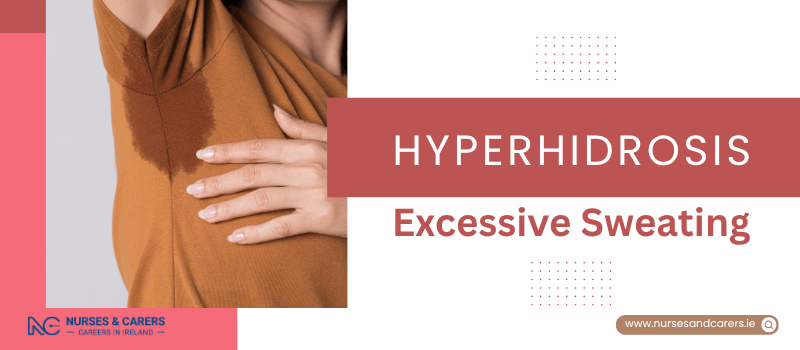
Hyperhidrosis is a medical condition characterized by chronic, excessive sweating that exceeds the body's normal thermoregulatory requirements for cooling down. While sweating is a healthy physiological response to physical exertion, high environmental temperatures, or emotional stress, individuals with hyperhidrosis experience unpredictable, heavy perspiration under normal conditions.
Hyperhidrosis can present as localized (affecting specific areas like the palms, soles, or axillae) or generalized (affecting the entire body). In some cases, the condition improves spontaneously with age.
Classifications and Primary Causes
Clinicians classify excessive sweating into two primary categories based on the underlying etiology:
Primary Idiopathic Hyperhidrosis: The sweating occurs without any identifiable medical cause. It is frequently linked to overactive neural signals stimulating eccrine sweat glands and often runs in families.
Secondary Hyperhidrosis: The sweating is a symptom of another underlying clinical condition or a side effect of a pharmaceutical medication. Common drivers include:
Hormonal Fluctuations: Estrogen drops during the menopause transition, which manifest as classic vasomotor symptoms (hot flushes).
Systemic Illnesses: Endocrine disorders (such as hyperthyroidism), chronic infections, or metabolic imbalances.
Pharmacological Triggers: Certain prescription medications can alter the body's central thermostat or sweat responses.
Lifestyle Modifications and Home Management
Adopting targeted daily habits can mitigate the visible signs of hyperhidrosis and improve everyday physical comfort.
Optimal Practices (Do's)
Select Appropriate Apparel: Wear loose-fitting clothing to allow optimal airflow and minimize visible sweat patches.
Prioritize Moisture-Wicking Fabrics: Choose socks made from highly absorbent, natural materials like cotton or merino wool.
Maintain Foot Hygiene: Change your socks at least twice daily to maintain dry skin environment.
Choose Breathable Footwear: Wear genuine leather shoes, and rotate your footwear daily to allow each pair to fully dry out between uses.
Practices to Avoid (Don'ts)
Avoid Occlusive Garments: Refrain from wearing tight clothing or synthetic textiles (such as nylon or polyester) that trap heat and moisture.
Limit Closed Footwear: Avoid prolonged use of enclosed boots or heavily cushioned sports shoes that exacerbate plantar sweating.
Identify Dietary Triggers: Limit or avoid systemic stimulants that induce sweating, such as alcohol, caffeine, and highly spicy foods.
Over-the-Counter Pharmacy Interventions
A pharmacist can guide you toward non-prescription topical products to manage localized sweat production and protect your clothing:
Clinical Antiperspirants: Formulated with aluminum chloride, these work by temporarily blocking the sweat ducts. They are applied at night to dry skin and offer greater efficacy than standard deodorants.
Absorbent Sweat Shields: Disposables or washable armpit pads designed to shield clothing from stains and wetness.
Medicated Foot Powders: Formulated to absorb ambient moisture and prevent secondary fungal infections (like athlete's foot) on sweaty feet.
Gentle Soap Substitutes: Mild, non-soap cleansers that protect the skin barrier from chronic irritation caused by frequent washing and heavy sweat residue.
Clinical Evaluation: When to Consult a GP
Schedule a non-urgent consultation with a general practitioner if excessive sweating persists despite lifestyle modifications and meets any of the following parameters:
The symptoms have persisted continuously for at least 6 months.
Breakthrough sweating episodes occur at least once per week.
The condition significantly disrupts or prevents you from conducting normal daily activities.
Perspiration occurs heavily at night, soaking through bedding (nocturnal hyperhidrosis/night sweats).
You have a documented family history of hyperhidrosis.
You suspect the sweating is an adverse reaction to a current prescription medication.
Note: Your GP may order clinical blood panels or diagnostic tests to evaluate and rule out secondary medical conditions that could be driving the issue.
Advanced Medical and Surgical Treatments
If a primary cause cannot be identified and conservative treatments fail, your GP may refer you to a specialist dermatologist. Advanced therapeutic options include:
Iontophoresis: A clinical technique where the affected areas (typically hands or feet) are immersed in shallow water while a weak electrical current is passed through it. This blocks the sweat glands temporarily and requires initial loading sessions followed by regular maintenance.
Botulinum Toxin (Botox) Injections: A localized procedure where botulinum toxin is micro-injected into the axillae (armpits). The toxin blocks the chemical signals that stimulate sweat production, providing relief that typically lasts between 4 to 8 months.
Surgical Interventions: In severe, refractory cases, surgical removal or endoscopic ablation of the local sweat glands may be evaluated.
Targeted Systemic Management: If the hyperhidrosis is diagnosed as secondary to another medical issue, long-term resolution will depend entirely on treating that root condition.
Disclaimer
The information provided here is for educational and informational purposes only. It does not constitute medical advice, diagnosis, or treatment. Always consult a qualified healthcare professional or your GP for specific medical concerns, diagnoses, or health advice. Never disregard professional medical advice or delay seeking it because of information you have read here.