
Idiopathic Pulmonary Fibrosis (IPF)
12 Sept 2026 · 7 min read
On this page18 sections
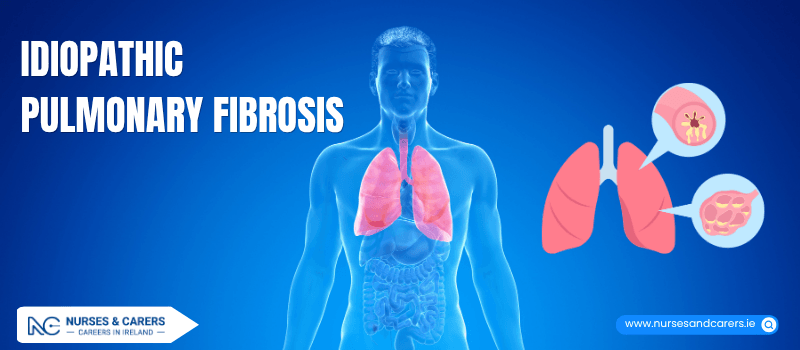
Idiopathic Pulmonary Fibrosis (IPF) is a severe, irreversible lung disease where the alveoli (air sacs) develop thick, rigid scar tissue. This permanent scarring stiffens the lungs, making it increasingly difficult for oxygen to enter the bloodstream. While the condition primarily impacts adults over the age of 50, its exact underlying cause remains unknown ("idiopathic").
🫁 Symptoms of IPF
Symptoms generally manifest gradually and worsen as the disease progresses:
Persistent dry cough lasting longer than 8 weeks
Progressive shortness of breath, especially during physical activity
Unexplained weight loss
Chronic fatigue and exhaustion
🧬 Known Risk Factors and Triggers
Although the root cause is unidentified, several genetic, environmental, and lifestyle factors increase the risk of development:
Environmental pollutants: Long-term exposure to wood dust or metal dust
Lifestyle choices: Current or past history of smoking
Genetics: A family history of the disease (linked to roughly 10% of cases)
Medical conditions: Chronic acid reflux (GERD) or past viral infections
🩺 Next Steps and Care
Consult a GP: Seek non-urgent medical advice if you experience a persistent cough or unexplained breathlessness.
Specialist referral: If IPF is suspected, your GP will fast-track you to a pulmonologist for advanced diagnostic testing.
Treatment options: No current medical therapy can reverse or halt lung scarring. However, targeted treatments can successfully slow down disease progression and manage symptoms.
Diagnosing Idiopathic Pulmonary Fibrosis (IPF)
Diagnosing IPF is complex because its symptoms mirror other types of interstitial lung disease (conditions causing lung inflammation and scarring). If your GP suspects IPF, they will refer you to a respiratory doctor (pulmonologist) or a specialist interstitial lung disease clinic for comprehensive evaluation.
Initial Clinical Evaluation
Your respiratory doctor will begin with a thorough physical assessment and medical history review:
Risk factor screening: Questions regarding your smoking history, family genetics, and occupational exposure to hazardous materials like asbestos or wood dust.
Stethoscope examination: Listening for distinct crackling sounds in the lungs, which strongly indicate fibrosis.
Physical signs: Inspecting fingertips for swelling or rounding, a condition known as finger clubbing.
Exercise tolerance tests: Conducting a 6-minute walk test or a shuttle test to evaluate how your oxygen levels respond to physical exertion.
Pulmonary Function Tests (PFTs)
Breathing tests are utilized to measure overall lung capacity and efficiency. These tests specifically evaluate:
Airflow speed: How quickly you can inhale and exhale.
Lung volume: The total volume of air your lungs can hold.
Gas exchange: How effectively your lungs transfer oxygen into the bloodstream and eliminate carbon dioxide.
Spirometry: A standard, non-invasive test where you breathe into a handheld device called a spirometer.
Imaging and Scans
Chest X-ray: The preliminary imaging test ordered for respiratory symptoms. If abnormalities are detected, advanced imaging is required.
CT Scan: High-resolution computerised tomography utilizes X-rays to create detailed, cross-sectional images of the lungs, allowing doctors to identify specific patterns of scar tissue.
Advanced Diagnostic Procedures
If non-invasive tests do not provide a clear diagnosis, your specialist may recommend exploratory procedures:
Bronchoscopy: An endoscopic procedure where a thin, flexible tube is passed into your airways to examine the lung structure and collect fluid or small tissue samples.
Surgical Lung Biopsy: A minimally invasive keyhole surgery performed to extract a small sample of lung tissue. This tissue is analyzed in a laboratory to definitively confirm the presence and pattern of scarring.
Managing Idiopathic Pulmonary Fibrosis (IPF)
While there is no cure for IPF, treatment strategies focus on relieving symptoms, maintaining physical fitness, managing breathing difficulties, and slowing down the progression of the disease.
Self-Care and Lifestyle Modifications
Taking proactive steps can help manage symptoms and protect your remaining lung function:
Quit smoking and avoid second-hand smoke.
Maintain regular physical activity and a balanced diet.
Stay updated on vaccinations, including the annual flu vaccine and the pneumococcal vaccine.
Avoid close contact with individuals who have colds or chest infections.
Connect with support networks, such as the Irish Lung Fibrosis Association (ilfa.ie).
Pulmonary Rehabilitation
Pulmonary rehabilitation is a structured exercise and education program designed to improve quality of life. These courses are typically held in hospitals or community health centres and include:
Supervised physical activity to build muscle strength.
Tailored breathing exercises and nutrition advice.
Education on managing fibrosis symptoms and reducing anxiety.
Emotional support and peer interaction.
Breathing Management and Oxygen Therapy
Shortness of breath during daily tasks can cause panic, which worsens breathing difficulties. If you experience sudden breathlessness, pause all movement, give yourself time to recover, and use relaxation or distraction techniques.
If blood oxygen levels drop, your specialist may prescribe oxygen therapy to ease breathlessness:
Long-term oxygen therapy: Used for at least 16 hours a day.
Ambulatory oxygen therapy: Used specifically during walking or physical activity.
Safety mandate: Never smoke, vape, or go near open flames while using oxygen equipment due to severe fire risks.
Mental Health Support
Living with a chronic lung condition impacts emotional well-being. To support your mental health:
Maintain a structured daily routine.
Speak openly with trusted friends, family, or professionals.
Practice breathing exercises to lower stress levels.
Ask your care team about psychological services, talk therapy, or mindfulness techniques.
Antifibrotic Medications
Two specific prescription medications can help slow down the rate of lung scarring in some patients. They do not reverse existing damage or instantly relieve current symptoms.
Pirfenidone: A tablet taken three times daily with food and water. The dosage is gradually increased over the first three weeks.
Nintedanib: A capsule taken twice daily, exactly 12 hours apart. It must be swallowed whole with food and water.
Critical Medication Guidelines:
Do not consume grapefruit juice with either medication.
Routine blood tests are mandatory before and during treatment to monitor your liver function, kidney function, and full blood count.
Urgent Warning: Contact your doctor immediately if you notice signs of liver damage, including yellowing of the skin or eyes (jaundice), dark urine, upper-right abdominal pain, severe fatigue, or loss of appetite. Other common side effects include nausea, vomiting, diarrhoea, weight loss, and skin rashes.
Advanced Surgical Options
If the lungs continue to deteriorate despite medication, a lung transplant may be considered. Eligibility depends on disease severity, progression speed, age, overall physical health, and organ availability. While a transplant can extend survival, it is a high-risk major surgery, and donor organs are strictly limited.
Palliative Care and Advance Planning
Palliative care provides holistic support at any stage of a serious illness and can be used alongside active medical treatments to improve daily comfort. You can request a referral if you experience worsening breathlessness, frequent hospital admissions, unmanaged fatigue, or severe anxiety.
Palliative care teams can also guide you through advance healthcare planning. This allows you to document your future care wishes and treatment preferences well ahead of time so your family and medical team understand your choices.
Long-Term Outlook
IPF is a progressive condition that naturally worsens over time, though the speed of decline varies significantly for each person. Regular monitoring allows your care team to track these changes and manage secondary complications that may arise, such as chest infections, pulmonary hypertension (high blood pressure in the lung arteries), or heart failure.
Disclaimer
The information provided here is for educational and informational purposes only. It does not constitute medical advice, diagnosis, or treatment. Always consult a qualified healthcare professional or your GP for specific medical concerns, diagnoses, or health advice. Never disregard professional medical advice or delay seeking it because of information you have read here.