
Ingrown Hairs
12 Sept 2026 · 3 min read
On this page6 sections
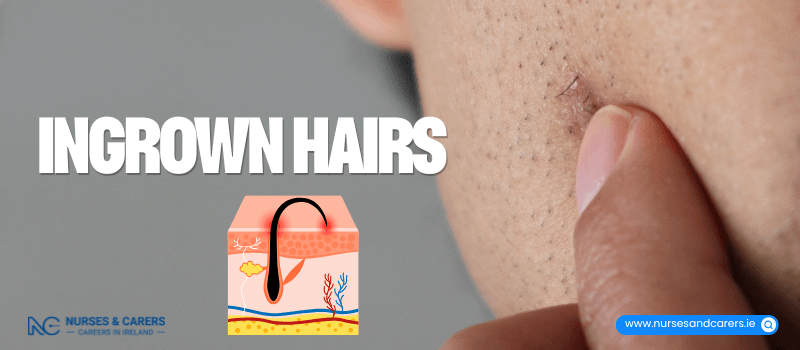
An ingrown hair occurs when a shaved, waxed, or plucked hair curls back or grows sideways directly into the skin. This triggers a localized inflammatory reaction. While the condition is usually harmless and resolves without medical intervention, it can cause discomfort and skin irritation.
Identifying the Symptoms
Ingrown hairs present as raised, red, and itchy bumps on the skin. In individuals with coarse, thick, or tightly coiled and curly hair types, the condition occurs more frequently.
Visual signs: You can often see the dark strand of hair trapped just beneath the surface of the skin.
Signs of infection: If the bump becomes infected, it can turn into a painful, pus-filled pimple.
Common areas: They typically develop in frequently groomed regions, including the face, neck, legs, armpits, chest, back, and pubic area. Any hair removal method—including shaving, waxing, plucking, and threading—can cause them.
Shaving and Grooming Best Practices
The most definitive way to prevent ingrown hairs is to stop removing the hair entirely. However, if you choose to continue hair removal, optimizing your technique will protect your skin and accelerate healing.
Do: Wet your skin thoroughly with warm water and apply a thick shaving gel or cream before starting.
Do: Shave strictly in the natural direction of your hair growth (with the grain).
Do: Keep razor strokes to an absolute minimum and rinse the blade in water after every single stroke.
Do: Apply a clean, cool, damp cloth to your skin immediately after shaving to soothe irritation.
Do: Regularly use a gentle exfoliating scrub between hair removal sessions to lift away dead skin cells and release trapped hairs.
Do: Consider alternative hair removal methods, such as depilatory creams or long-term options like laser hair removal.
Don't: Avoid shaving too close to the skin surface; leaving a tiny amount of stubble keeps the hair tip from retreating under the skin layer.
Don't: Never use a dull or blunt razor. Instead, opt for a sharp, clean, single-blade razor.
Don't: Do not scratch, pick, or squeeze the bumps. This damages the skin barrier, introduces foreign bacteria, and causes permanent scarring.
Pharmacy and Over-the-Counter Options
A local pharmacist can recommend self-care products to manage discomfort and prevent future occurrences:
Exfoliating washes to prevent dead skin buildup
Soothing creams or lotions to reduce itching and surface inflammation
Protective shaving oils and hypoallergenic hair removal products
Mild antiseptic solutions to protect irritated skin from bacterial invasion
When to Seek Medical Care
Most ingrown hairs clear up on their own. However, you should monitor the area for signs of worsening infection. Contact your GP if:
The bump or surrounding skin becomes intensely painful, hot to the touch, severely red, or swollen.
You develop a high fever, chills, or generally feel very unwell, which may indicate a spreading infection.
Medical Treatments from a GP
If professional treatment is required, a doctor can safely manage the issue by:
Freeing the trapped hair shaft using a sterile medical needle or a micro-scalpel.
Prescribing a topical steroid cream to quickly bring down swelling and soothe severe skin irritation.
Prescribing targeted antibiotic creams or oral antibiotic tablets if a significant bacterial infection has developed.
Disclaimer
The information provided here is for educational and informational purposes only. It does not constitute medical advice, diagnosis, or treatment. Always consult a qualified healthcare professional or your GP for specific medical concerns, diagnoses, or health advice. Never disregard professional medical advice or delay seeking it because of information you have read here.