
Ingrown Toenails
12 Sept 2026 · 3 min read
On this page7 sections
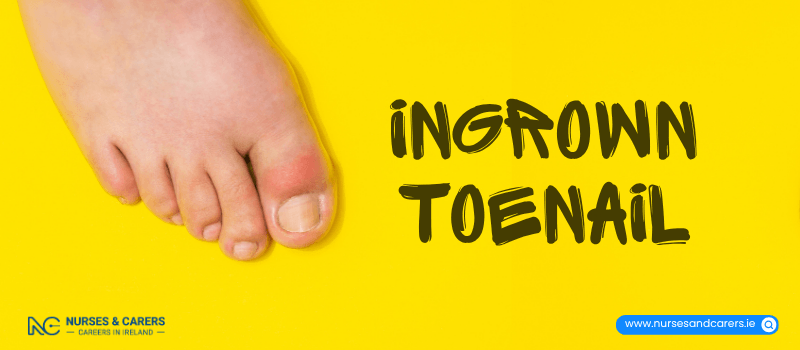
An ingrown toenail occurs when the side or corner of a toenail grows directly into the surrounding skin. While this condition most frequently develops on the big toe, it can affect any toe. If left unmanaged, the pierced skin can easily become a gateway for bacterial infections.
Identifying the Symptoms
An ingrown toenail typically causes localized discomfort and tenderness where the nail edge meets the skin. The area may become red, firm, and sensitive to pressure, especially when wearing shoes. If an infection develops, the toe may swell significantly and become increasingly painful.
Safe Home Management
If the condition is caught early and there are no signs of infection, you can manage the discomfort and encourage proper growth at home:
Do: Soak your foot in warm, salty water. This relaxes the tissues and softens the skin around the nail.
Do: Keep your foot completely clean and dry between soaks.
Do: Wear wide-fitting, comfortable shoes or open sandals to eliminate pressure on the affected toe.
Do: Take over-the-counter pain relievers like paracetamol or ibuprofen to manage soreness.
Don't: Do not attempt to cut or trim the ingrown edge yourself, as this often worsens the growth pattern; let the nail grow out naturally.
Don't: Do not pick, dig, or scratch at the toe or the nail border.
Don't: Do not wear tight, narrow, or pointy-toed footwear.
Prevention Strategies
To minimize the risk of developing ingrown toenails in the future:
Cut your toenails straight across rather than rounding the corners.
Avoid trimming your toenails too short.
Ensure your footwear fits properly, leaving adequate room for your toes to move.
Maintain good foot hygiene by keeping your feet clean and completely dry.
Professional and Surgical Medical Treatments
If home care fails to resolve the issue, or if the nail is severely embedded, see a GP or a foot specialist (podiatrist or chiropodist).
Antibiotics: A GP can prescribe targeted antibiotics if your toe has developed an infection.
Partial Nail Avulsion: A podiatrist can safely remove the specific narrow strip of nail that is piercing the flesh.
Total Nail Avulsion: In severe or recurring cases, the specialist may remove the entire toenail.
Note: Surgical nail procedures are performed under a local anesthetic injection to completely numb the toe. Following the procedure, you will need to rest and elevate your foot for 1 to 2 days. For private specialist care, practitioners can be located through podiatryireland.ie.
Accessing Community Chiropody Services
State-funded, free chiropody and podiatry services may be accessible in your local area if you meet specific criteria, such as:
Being 65 years of age or older with a valid medical card.
Living with a long-term condition like diabetes or arthritis.
Holding a Health Amendment Act card or having a registered disability.
Speak to your GP, public health nurse, or local health office to check your eligibility and request a referral.
When to Seek Urgent Medical Care
Certain symptoms indicate a worsening infection or a high risk of complications. Request an urgent GP appointment if you experience:
Underlying conditions: You have diabetes, as minor foot issues can quickly escalate into severe, slow-healing ulcers.
Signs of advanced infection: Severe pain, worsening swelling, or pus leaking from the toe.
Systemic symptoms: A high temperature, chills, or feeling generally unwell.
Disclaimer
The information provided here is for educational and informational purposes only. It does not constitute medical advice, diagnosis, or treatment. Always consult a qualified healthcare professional or your GP for specific medical concerns, diagnoses, or health advice. Never disregard professional medical advice or delay seeking it because of information you have read here.