
IV Line Infections
12 Sept 2026 · 2 min read
On this page6 sections
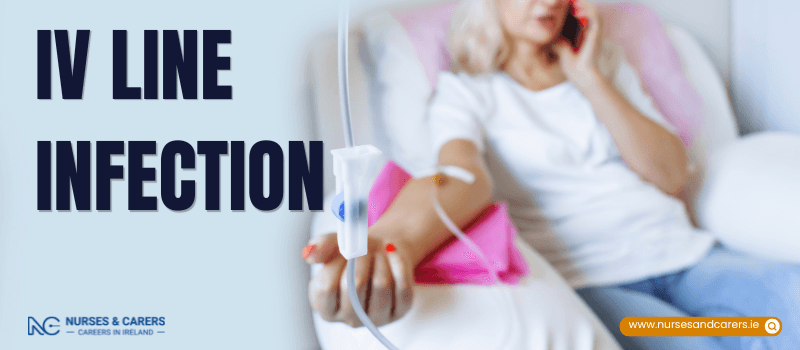
An intravenous (IV) line—also called a cannula or a drip—is a small plastic tube inserted through the skin into a vein using a needle. It allows healthcare providers to administer fluids, blood products, or medications directly into your bloodstream. While highly useful, an IV line creates a temporary opening in your skin, which introduces a risk of bacteria traveling along the tube and causing an infection.
Recognizing the Symptoms
You should routinely check the insertion site. Speak to your doctor or nurse immediately if you notice any of the following localized symptoms:
Pain, tenderness, or aching where the IV line enters your skin
Redness, warmth, or swelling around the insertion site
Crusting or scabbing on the skin near the tube
Oozing of fluid, blood, or pus from the puncture site
Severe Complication: Bloodstream Infections (Sepsis)
If bacteria entry is left unmanaged, the infection can spread from the skin directly into your blood. This is a severe, life-threatening condition known as sepsis. Tell a healthcare professional straight away if you experience any of these systemic symptoms:
A sudden high temperature (fever)
Shivering or severe chills
Sudden nausea or vomiting
Extreme weakness, dizziness, or confusion
Causes and Risk Factors
Hospitals naturally contain a higher concentration of illnesses and antibiotic-resistant bacteria (superbugs). An IV line infection is more likely to occur if:
The patient is already severely ill with a compromised immune system.
The IV line is left in place for an extended period.
Proper hygiene protocols are missed during insertion or maintenance.
Prevention Strategies
Patients have the right to be active participants in their infection prevention. It is completely acceptable and encouraged to ask your healthcare team the following questions:
"Do I still need this IV line?" If you can transition to oral medications or fluids, removing the line lowers your infection risk. The longer a line stays in, the higher the risk.
"Could you please sanitize your hands before touching my IV?" Ensure staff wash their hands or use alcohol gel before adjusting your line.
"Was the skin thoroughly cleaned?" Confirm that skin antiseptic is applied before insertion.
Medical Treatment
If an IV line infection is suspected, your nurse or doctor will promptly remove the cannula to stop further bacterial entry. They will assess the site and determine if you require localized care or a course of targeted antibiotics to clear the infection completely.
Disclaimer
The information provided here is for educational and informational purposes only. It does not constitute medical advice, diagnosis, or treatment. Always consult a qualified healthcare professional or your GP for specific medical concerns, diagnoses, or health advice. Never disregard professional medical advice or delay seeking it because of information you have read here.