
Leg Cramps
12 Sept 2026 · 3 min read
On this page9 sections
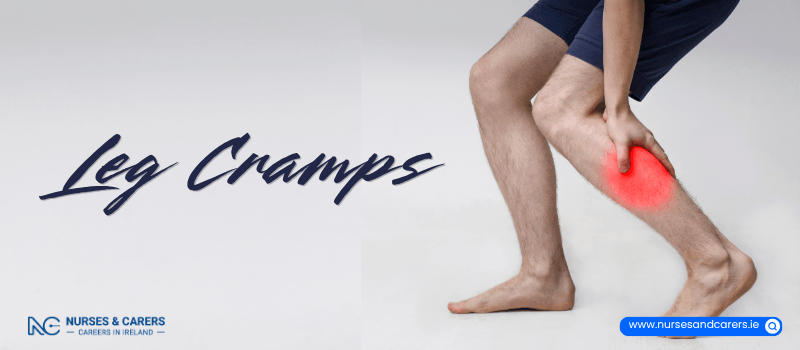
Leg cramps are sudden, involuntary contractions of the leg muscles that cause sharp, temporary pain. While they can be intensely painful and make it difficult to move the affected limb, they are generally harmless and typically resolve within a few seconds to 10 minutes.
Cramps can occur at any time but manifest most frequently at night or during periods of rest. The muscle may remain tender or sore for up to 24 hours after the contraction stops.
Commonly Affected Muscle Groups
Calf muscles: Located at the back of the lower leg, below the knee (most common site).
Foot muscles: Spasms in the arches or toes.
Thigh muscles: Contractions in the quadriceps or hamstrings (less frequent).
Identified Causes and Triggers
While the exact cause of an isolated cramp is often unknown, several lifestyle factors and medical conditions can trigger them:
Physical exertion: Overstraining muscles during intense exercise, which is often exacerbated by hot or humid weather conditions.
Dehydration: Chronically failing to drink enough hydrating fluids throughout the day.
Pregnancy: Hormonal and circulatory changes, particularly during the third trimester.
The natural aging process: Gradual muscle loss and changes in nerve function over time.
Prescription medications: Certain drugs, such as lipid-lowering statins or blood pressure diuretics, can cause cramps as a secondary side effect.
Alcohol-related illness: Advanced liver disease secondary to chronic, high-volume alcohol consumption.
Immediate Action and Prevention Strategies
What to Do During an Active Cramp
Stretch and massage: Forcefully stretch the muscle to break the spasm. For a calf cramp, straighten your leg and pull your toes firmly upward toward your shin. Gently massage the contracted tissue.
Post-cramp soreness: Over-the-counter pain relievers like paracetamol or ibuprofen can ease lingering muscle soreness later. Note: Do not take these during an active spasm, as they take too long to work to provide immediate relief.
How to Prevent Future Cramps
Daily stretching: Integrate regular, targeted calf and hamstring stretches into your daily routine, especially right before bed, to reduce the frequency of nocturnal spasms.
Stay hydrated: Maintain optimal fluid intake throughout the day so that your urine remains pale and clear.
When to Seek Medical Evaluation
Schedule a non-urgent consultation with your GP if you experience any of the following:
Your leg cramps frequently disrupt your sleep and lower your quality of life.
An active muscle cramp lasts longer than 10 consecutive minutes.
The cramping is accompanied by localized swelling, redness, or a feeling of numbness in your legs.
You have concerns that your symptoms may be linked to a new prescription medication.
Medical Treatments from a GP
Your GP will evaluate your symptoms, review your medication profile, and check for any underlying health issues. Depending on the root cause, they may suggest:
A supervised program of specialized physical therapy and stretching exercises.
A trial course of prescription quinine tablets if your sleep is severely impacted and physical therapy fails to offer relief.
Safety Note: Quinine is not suitable for everyone and carries specific clinical risks. Your doctor will discuss the potential side effects and safety considerations with you before prescribing it.
Disclaimer
The information provided here is for educational and informational purposes only. It does not constitute medical advice, diagnosis, or treatment. Always consult a qualified healthcare professional or your GP for specific medical concerns, diagnoses, or health advice. Never disregard professional medical advice or delay seeking it because of information you have read here.