
Lyme Disease
12 Sept 2026 · 4 min read
On this page13 sections
Lyme disease is a bacterial infection transmitted to humans through the bite of an infected tick. The condition is highly treatable with antibiotics, especially when diagnosed and managed in its early stages.
Recognizing the Symptoms
Symptoms can manifest up to three months after a tick bite, though most early indicators surface within the first four weeks.
1. The Erythema Migrans Rash
The most definitive early sign of Lyme disease is a circular skin rash. Key characteristics include:
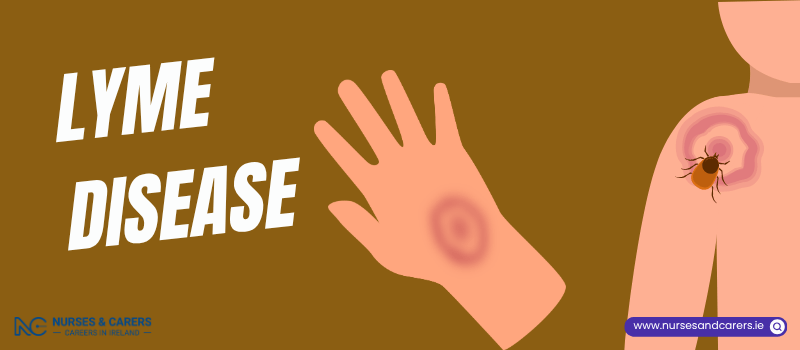
The Bull's-Eye Pattern: The rash often resembles a dartboard bull's-eye, featuring a prominent red central spot surrounded by a clear ring and an outer red circle.
Texture and Discoloration: The affected skin is typically red, and the expanding outer edges may feel slightly raised to the touch.
Duration: The rash is non-contagious and generally persists for several weeks.
Important: Not everyone infected with Lyme disease will develop this distinctive rash.
2. Early Systemic Symptoms
In the initial stages, you may experience flu-like symptoms alongside or in the absence of a rash:
High temperature, feeling hot, or experiencing sudden shivers
Persistent headaches
Generalized muscle and joint pain
Chronic fatigue and a pronounced loss of energy
Tick Risk and Safe Removal
Most tick bites are entirely harmless. A tick can only transmit Lyme disease if it has previously fed on an infected animal. In Ireland, roughly 5% of the tick population is estimated to carry the bacteria.
High-risk habitats include woodlands, grassy meadows, sand dunes, and heaths. Because tick bites are painless, routinely audit your skin, your children’s hairlines, and your pets' fur after spending time outdoors.
36-Hour Prevention Window
Promptly removing a tick can actively prevent Lyme disease from developing. The risk of transmission drops significantly if the tick is extracted within 36 hours of attachment.
3-Step Safe Extraction Protocol
Do not use home remedies like petroleum jelly, oil, or a lit match to detach a tick. Instead, use fine-tipped tweezers or a specialized tick-removal tool purchased from a pharmacy:
Grasp: Position the tweezers as close to your skin's surface as possible, gripping the tick firmly by its mouthparts.
Pull: Slowly and steadily pull straight upward. Avoid twisting, jerking, squeezing, or crushing the tick's body, as this can force infected fluids into your skin or leave the mouthparts embedded.
Sanitize: Wash the bite site thoroughly with mild soap and water or rub it with an antiseptic solution.
Disposing of a Live Tick
To ensure the tick cannot reattach to a person or animal, safely dispose of it by dropping it into rubbing alcohol, wrapping it tightly in adhesive tape, placing it in a sealed container, or flushing it down the toilet.
Clinical Diagnosis and Treatment
Lyme disease can be challenging to diagnose because its flu-like symptoms mimic numerous other illnesses.
Diagnostic Testing: Your GP may order specific blood tests to detect Lyme antibodies. However, these tests are frequently inaccurate during the first few weeks of infection because your immune system requires time to generate a measurable antibody response. If you test negative early on but symptoms persist, your GP will arrange a repeat blood test.
Standard Therapy: If Lyme disease is suspected based on your exposure history and symptoms, your GP will immediately prescribe a course of oral antibiotics.
Advanced Therapy: If your symptoms are severe—particularly if the bacteria have begun impacting your nervous system or joints—you will be referred to a hospital for intravenous (IV) antibiotics delivered through a drip.
Warning: Avoid purchasing unverified Lyme disease diagnostic kits or treatments from unauthorized online websites. Always consult a registered medical professional.
Evidence-Based Prevention Strategies
When walking in high-risk areas, use these defensive habits to stop ticks from reaching your skin:
Create a barrier: Wear long-sleeved shirts and long trousers, tucking your trouser cuffs directly into your socks.
Apply repellent: Use a high-quality insect repellent on your skin and clothing; formulas containing DEET are the most effective.
Stay on trails: Walk along the center of cleared footpaths and avoid brushing against long grass or ferns.
Wear light colors: Dress in light-colored clothing to make crawling, dark-colored ticks easy to spot and brush off before they bite.
Ongoing Post-Treatment Symptoms
In a small number of cases, individuals may experience lingering symptoms like chronic tiredness, joint aches, and low energy that persist for months after completing their antibiotic course. While the exact scientific reason for this residual inflammation is still being researched, the symptoms do generally improve over time. Consult your GP if your symptoms fail to improve or resurface down the line.
When to Consult a GP
Schedule a non-urgent appointment with your GP if you develop a circular rash, a high fever, or flu-like body aches and you:
Know you were recently bitten by a tick.
Spent time outdoors in wooded or tall grass environments, even if you did not notice a tick on your skin.
Disclaimer
The information provided here is for educational and informational purposes only. It does not constitute medical advice, diagnosis, or treatment. Always consult a qualified healthcare professional or your GP for specific medical concerns, diagnoses, or health advice. Never disregard professional medical advice or delay seeking it because of information you have read here.