
Lymphoedema
12 Sept 2026 · 22 min read
On this page48 sections
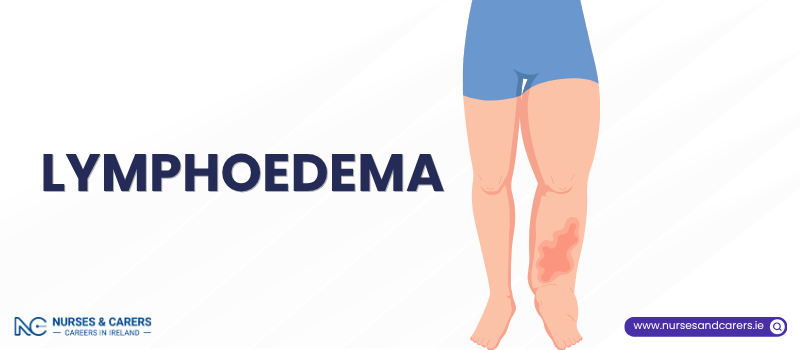
Lymphoedema is a chronic, long-term medical condition characterized by persistent swelling within the body's tissues. While it can develop in any anatomical region, it most frequently manifests in the arms or legs.
This condition occurs when the lymphatic system fails to function correctly. The lymphatic system is an extensive network of vessels, channels, and bean-shaped glands (lymph nodes) distributed throughout the body. Its primary biological functions are to filter out waste, combat localized infections, and drain excess fluid from tissues back into the bloodstream. When this drainage pathway is obstructed or damaged, protein-rich lymph fluid accumulates, leading to localized swelling.
Early clinical diagnosis and intervention are essential. If left unmanaged, lymphoedema can cause permanent tissue changes or escalate into severe complications such as cellulitis. Around 20,000 individuals in Ireland are currently living with this condition.
Classification and Causes
Lymphoedema is divided into two primary classifications based on its underlying cause:
1. Primary Lymphoedema
This is a rare form of the condition, estimated to impact roughly 1 in 6,000 individuals. It is driven by genetic mutations that cause the lymphatic system to develop abnormally from birth. Symptoms may present immediately at birth, during adolescence, or later in adulthood, and predominantly target the lower limbs.
2. Secondary Lymphoedema
This is the more prevalent form, affecting approximately 4 in 1,000 people. It develops when a previously healthy lymphatic system suffers physical damage or obstruction due to an external factor. Key causes include:
Vascular Insufficiency: Chronic problems with blood vessels and compromised blood flow account for over 50% of all secondary cases.
Oncology Interventions: Surgical removal of lymph nodes or localized radiation therapy used during cancer treatments.
Severe Immobility: A chronic lack of physical activity or movement, preventing muscles from naturally pumping lymph fluid upward.
Obesity: Excess body mass places structural pressure on lymph channels, impairing fluid transit.
Note for Cancer Patients: The statistical risk of developing lymphoedema varies depending on your specific cancer type and surgical scope. Your oncology team will evaluate your risk and, where clinically viable, design a surgical path that minimizes damage to your regional lymph nodes.
Symptoms of Lymphoedema
The hallmark symptom of lymphoedema is swelling in all or part of a limb, or another region of the body. The progression of symptoms typically follows a distinct pattern:
Early Phase: The swelling is fluctuating and temporary. It routinely intensifies during daytime physical activity and improves or subsides overnight when the limb is elevated.
Late Phase: Without appropriate treatment, the fluid accumulation becomes permanent, dense, and increasingly severe.
Secondary Clinical Indicators:
As fluid retention persists, it alters the surrounding skin and tissue structure, causing:
A continuous dull ache, tightness, or heavy sensation in the impacted area.
Noticeable restriction in the flexibility and movement of the affected joint.
A feeling of tightness, indentation, or discomfort when wearing normal clothing, footwear, watches, or jewelry.
Physical changes to the skin texture, including severe hardening, thickening, or hyper-keratosis.
The formation of deep creases or folds within the skin layers.
The development of small, textured, wart-like growths on the skin surface.
Lymphorrhea, a complication where clear lymph fluid actively leaks through the skin barrier.
An increased susceptibility to recurrent, painful skin infections.
Clinical Complications
1. Cellulitis (Bacterial Skin Infection)
The stagnant, protein-rich fluid trapped in lymphoedema tissues acts as an ideal breeding ground for bacteria. This creates a high risk of developing cellulitis, a serious bacterial infection of the deep layers of the skin (dermis). Cellulitis can be both a direct cause of lymphoedema and a severe complication of it.
Symptoms of Cellulitis Include:
Sudden, spreading skin redness and intense localized heat.
Acute pain paired with a rapid increase in localized swelling.
Systemic symptoms, including a high fever, shivering, and severe chills.
Treatment Protocol: Cellulitis requires immediate treatment with prescription antibiotics. Severe or spreading infections necessitate hospital admission for intravenous (IV) antibiotics and supportive care.
2. Psychological and Mental Health Impact
Living with a chronic, visible condition can cause emotional distress, anger, frustration, or anxiety regarding body image. While these emotions often ease as you adapt to a structured management plan, persistent low mood can transition into clinical depression. If negative emotions interfere with your daily routine, contact your GP or care team. They can provide support, prescribe targeted treatments, or refer you for professional counseling. Joining peer support groups can also reduce feelings of isolation.
Diagnosis and Treatment Overview
A GP can typically establish a baseline diagnosis of lymphoedema by evaluating your medical history, reviewing your symptoms, physically examining the skin texture, and taking precise circumferential measurements of the limb to track enlargement. For advanced mapping, you may be referred to a specialist lymphoedema practitioner.
While there is no permanent cure for lymphoedema, structured therapies can significantly reduce fluid retention and optimize lymphatic flow to manage symptoms. Standard therapeutic interventions include:
Compression Therapy: Wearing specialized multi-layer lymphedema bandages or custom-fitted compression garments to physically support tissue drainage.
Skincare Maintenance: Practicing strict daily hygiene and moisturizing to keep the skin barrier intact and prevent bacterial entry.
Decongestive Exercise: Performing targeted, low-impact movements to encourage the muscles to act as a natural fluid pump.
Manual Lymphatic Drainage (MLD): Utilizing specialized, light massage techniques delivered by a trained therapist to redirect trapped fluid into functioning lymph pathways.
Lifestyle Optimization: Maintaining a balanced, healthy diet and managing body weight to reduce structural pressure on the lymphatic system.
Support Resource: Patients living with this condition in Ireland can access the Health Service Executive (HSE) Living Well Programme, a free, multi-week self-management course that provides peer workshops and practical tools to help navigate long-term health challenges.
When to Seek Medical Attention
Schedule a Non-Urgent GP Consultation if:
You notice persistent, unexplained swelling in your arms, legs, or any other part of your body.
Your skin feels uncomfortably tight, heavy, or difficult to move.
Note: If you have a history of cancer treatments, you can alternatively contact your oncology consultant or specialist nurse directly for evaluation.
Causes of Lymphoedema
The underlying cause of lymphoedema determines its medical classification. The condition is divided into two distinct categories: primary lymphoedema, which stems from genetic structural variations, and secondary lymphoedema, which is caused by external physical damage to an otherwise healthy lymphatic network.
Primary Lymphoedema
The root cause of primary lymphoedema is congenital and genetic. Specific genetic mutations disrupt the normal embryonic development of the lymphatic architecture. This structural compromise leaves the system permanently unable to drain fluid efficiently from the body's tissues.
Key characteristics include:
Hereditary links: The condition frequently runs in families, though inheriting the mutated gene does not guarantee a child will actively develop the disorder.
Rarity: It is an uncommon form of the disease, affecting approximately 1 in 6,000 individuals.
Secondary Lymphoedema
Secondary lymphoedema develops when a structurally normal lymphatic system experiences trauma, obstruction, or destruction from an outside source. Common causes and triggers include:
1. Oncological Interventions
Cancer therapies are a primary driver of localized lymphatic damage:
Surgical Node Removal: Cancer surgeries often require the extraction of regional lymph nodes—small glands that store infection-fighting white blood cells—to check for or stop the spread of disease. Removing these nodes permanently disrupts the local fluid drainage pathway. This risk is highest during treatments for breast, skin (melanoma), gynecological (cervical, vulval), and genitourinary (prostate, penile) cancers.
Radiation Damage: Radiotherapy uses high-energy beams to destroy cancer cells. If radiation is directed at lymph node networks to clear malignant cells, the intense exposure can unintentionally scar and damage adjacent healthy lymphatic vessels.
2. Circulatory and Venous Diseases
Vascular conditions that alter blood flow can place an overwhelming burden on the lymphatic system:
Fluid Overflow: Diseases that impair venous return cause blood to pool, forcing excess fluid out of the capillaries and into the surrounding tissue spaces. This excessive volume eventually overwhelms the capacity of the lymphatic system, leading to structural backup and swelling.
Key Venous Triggers: This fluid overload is commonly caused by Deep Vein Thrombosis (DVT)—a blood clot lodged in a deep vein—and advanced varicose veins.
Management Note: If prescribed by your physician, wearing medical-grade compression stockings is essential to regulate tissue fluid pressure and significantly lower the risk of developing secondary venous ulcers.
3. Metabolic Factors and Obesity
Carrying excessive body mass places direct, mechanical pressure on the delicate, thin-walled lymphatic channels. This compression restricts the natural upward flow of lymph fluid. For individuals where obesity triggers or worsens tissue swelling, gradual, structured weight loss is a foundational component of long-term therapy to reduce this internal pressure.
4. Chronic Inflammation
Inflammatory conditions cause localized tissues to become chronically engorged, hot, and swollen. This persistent cellular swelling can degrade and compress the fine lymphatic capillaries over time. Common inflammatory triggers include:
Rheumatoid Arthritis: An autoimmune condition causing joint lining inflammation.
Severe Eczema: Chronic, widespread skin inflammation.
5. Localized Infections
Infections can directly compromise tissue health and block drainage pathways:
Cellulitis: A deep bacterial skin infection. Severe or recurring episodes of cellulitis cause significant local tissue damage, scarring the underlying lymphatic structures.
Lymphatic Filariasis: A parasitic infection where microscopic worms lodge directly inside the lymph vessels, physically blocking fluid transit. While this infection is a leading cause of lymphoedema globally, it does not pose a risk within Ireland.
6. Prolonged Immobility
The lymphatic system lacks a central pump like the heart. Instead, it relies entirely on the natural contraction of surrounding muscles during daily movement and exercise to massage and push fluid forward through the vessels. Chronic immobility due to long-term illness, advanced arthritis, or nerve damage causes lymph fluid to stagnate, increasing the risk of chronic swelling.
7. Direct Physical Trauma
In rare instances, severe accidental injuries can physically tear or sever the lymphatic pathways. This typically occurs as a result of major road traffic accidents that cause extensive soft tissue loss, deep bruising, or structural skeletal damage.
Diagnosing Lymphoedema
If you are undergoing cancer treatments that place you at risk, your oncology team will routinely monitor you for signs of tissue swelling. In all other scenarios, you should contact your GP if you develop symptoms. A professional evaluation confirms the diagnosis and differentiates lymphoedema from other causes of fluid retention.
Initial Clinical Assessment
Your GP will establish a baseline evaluation through two main steps:
Medical History Review: Examining your risk factors, including recent surgeries, cancer treatments, travel history, or a family history of swelling.
Physical Examination: Inspecting the affected area's skin texture and taking precise measurements with a tape measure to track tissue enlargement.
If lymphoedema is suspected, your GP will refer you to a specialized lymphoedema service for advanced staging and a customized management plan.
Specialized Diagnostic Tests
While extensive testing is not always required to confirm a diagnosis, specialists utilize specific diagnostic tools to calculate exact fluid volumes, identify structural blockages, and monitor your response to treatment over time.
1. Advanced Methods for Measuring Limb Volume
Calculating the precise volume of an enlarged arm or leg helps therapists track the progression of the condition:
Circumferential Tape Tracking: Measuring the limb at specific, standardized anatomical points along its length.
Water Displacement: Submerging the affected limb into a specialized tank of water and measuring the exact volume of water displaced to calculate total limb mass.
Perometry: Utilizing digital infrared light beams to scan and map the precise physical outline and volume of the limb.
2. Bioimpedance Testing
This non-invasive test detects subtle fluid changes in the tissues before visible swelling even emerges. You stand flat-footed on a specialized diagnostic device that resembles a digital weighing scale. The machine passes a minute, completely painless electrical current through your body. By measuring how much the tissue resists this current, the device calculates the exact volume of fluid trapped outside your cells.
3. Diagnostic Imaging Scans
When specialists need to view the internal structure of your tissues or check for physical blockages in your fluid pathways, they will order target imaging:
Lymphoscintigraphy: The gold-standard imaging test for mapping lymphatic flow. A specialist injects a microscopic amount of a radioactive tracer dye into the skin. A specialized gamma camera scanner then tracks the dye in real-time as it moves through your vessels, highlighting blockages or structural defects.
Ultrasound Scans: Used to evaluate fluid distribution in the skin layers and rule out alternative circulatory issues like a deep vein blood clot.
MRI and CT Scans: High-resolution magnetic resonance imaging and computerized tomography scans provide detailed, cross-sectional views of the deep tissues to identify internal masses or structural obstructions compressing the lymph channels.
Genetic Testing Note: If your specialist suspects that you or your child has primary lymphoedema, they may recommend targeted genetic blood tests to screen for the specific inherited mutations that disrupt lymphatic development.
Medical and Therapeutic Management of Lymphoedema
While there is no permanent cure for lymphoedema, structured therapies can significantly lower fluid retention, ease physical discomfort, and improve mobility. The gold-standard treatment framework is Decongestive Lymphatic Therapy (DLT), also known as Complex Decongestive Therapy (CDT).
Phase 1: Intensive Decongestive Lymphatic Therapy (DLT)
If you have significant or dense tissue swelling, your specialist will initiate an intensive DLT protocol. This typically requires daily clinical sessions for 2 to 3 weeks to rapidly reduce the size and volume of the affected limb. DLT relies on four interconnected therapeutic pillars:
Compression Bandaging: Applying multi-layer, short-stretch bandages to provide firm, protective resistance. This pushes trapped fluid out of the limb and blocks new fluid from pooling.
Manual Lymphatic Drainage (MLD): A specialized, highly gentle massage technique performed by a certified therapist. MLD maps out and redirects trapped fluid away from blocked areas into functioning lymphatic pathways.
Decongestive Exercise: Performing targeted movements while bandaged to force your muscles to act as a natural fluid pump.
Meticulous Skincare: Implementing a strict daily hygiene routine to prevent skin cracking and block bacterial infections.
Phase 2: The Long-Term Maintenance Phase
Once the intensive phase successfully minimizes the size of the limb, your therapist will transition you to a long-term self-management plan. Because lymphoedema is a lifelong condition, this maintenance phase must be followed diligently for years to lock in your results.
Your custom care plan will be reviewed by professionals every few months and features:
Transitioning from heavy bandages to custom-fitted compression garments (sleeves, gloves, stockings, or tights).
Switching from therapist-led massage to taught self-massage techniques (Simple Lymphatic Drainage).
Continuing daily skincare and tailored exercises at home.
Compression Garments and Wraps
The lymphatic system lacks an internal pump like the heart. Instead, it relies entirely on the mechanical compression of surrounding muscles to push fluid upward.
Mechanism: Wearing compression garments provides a firm wall of external resistance for your muscles to press against during movement, maximizing fluid clearance.
Post-Massage Protocol: You must apply your compression garment immediately following a massage session to prevent fluid from rapidly re-entering the cleared tissues.
Adjustable Velcro Wraps: If standard compression stockings or sleeves are too physically difficult for you to pull on independently, your therapist can prescribe adjustable wraps. These use Velcro tabs and are much easier to manage.
Meticulous Daily Skincare
Protein-rich lymph fluid trapped in the skin acts as an ideal breeding ground for bacteria, placing you at a high risk for cellulitis (a severe, deep skin infection). Daily skincare is a medical necessity to keep your skin barrier intact:
Do: Wash the affected area daily with warm water and a mild soap, ensuring you dry the skin folds completely.
Do: Apply a rich, unperfumed moisturizer or emollient every day to prevent cracking and flaking.
Do: Wear protective thick utility gloves when performing chores like gardening or washing dishes to avoid skin punctures.
Do: Clean even minor scratches, cuts, or insect bites immediately with fresh water and apply an antiseptic cream. Monitor the site closely for spreading redness.
Movement and Physical Activity Guidance
Your care team will design a customized exercise plan tailored to your baseline physical fitness and joint mobility. Regular movement stimulates lymphatic flow and supports weight management, which directly reduces internal pressure on your lymph channels.
Do: Always wear your prescribed compression garments or bandages while exercising to protect the tissues.
Do: Initiate any new fitness routine slowly and build up your stamina incrementally over several weeks.
Do: Incorporate deep diaphragmatic breathing exercises at the absolute start and finish of every session; deep breathing creates a natural vacuum effect in the chest that pulls lymph fluid upward.
Do: Alternate sides frequently or rely on your unaffected arm to complete heavy everyday household tasks.
Don't: Never start a new fitness program involving weights or heavy resistance without securing explicit clearance from your lymphoedema therapist first.
Don't: Do not push through pain. Immediately reduce or stop an activity if the affected limb begins to feel uncomfortably heavy, tight, or fatigued.
Advanced Surgical Options
In highly specific, severe, or treatment-resistant cases, a consultant surgeon may consider specialized surgical interventions to help reduce limb size:
1. Advanced Liposuction for Lymphoedema
Over time, chronic fluid stagnation can cause localized stem cells to produce excess fat tissue in the limb. If a physical assessment confirms that fat accumulation is a primary feature of your swelling, liposuction can be performed.
The Procedure: The surgeon makes microscopic incisions in the skin, inserts a thin cannula tube, and utilizes specialized suction to physically remove the excess fatty layers.
The Strict Catch: Following surgery, you are medically required to wear a high-grade compression garment day and night, permanently, to prevent the swelling from returning.
2. Microsurgical Reconstruction (Lymphaticovenular Anastomosis)
This is a specialized form of super-microsurgery aimed at structurally repairing the drainage network. The surgeon uses high-powered microscopes to connect damaged, blocked lymphatic vessels directly to adjacent microscopic veins. This bypass surgery allows trapped lymph fluid to empty directly into your circulatory system, bypassing the structural blockages.
Evidence-Based Lymphoedema Prevention
While it is not always possible to completely prevent lymphoedema, implementing clinical risk-reduction strategies can significantly lower your chances of developing it. If you have already been diagnosed with the condition, these exact same daily habits are essential to stop the tissue swelling from progressing or becoming dense.
Individuals face an increased statistical risk of developing lymphoedema if they:
Have undergone cancer surgeries (especially lymph node removal) or localized radiation.
Live with obesity or carry excess body mass.
Suffer from chronic venous insufficiency or peripheral circulation problems.
Maintain a highly sedentary lifestyle with limited physical movement.
Proactive Skincare and Infection Prevention
Protein-rich lymph fluid trapped in the tissues acts as an ideal environment for bacteria, making skin hygiene a top medical priority. Even a minor skin break can lead to cellulitis, a severe deep skin infection that can permanently damage the remaining lymphatic pathways.
Guidelines to Protect Your Skin Barrier:
Do: Treat even microscopic cuts, scratches, or grazes immediately by washing with fresh water and applying an antiseptic cream.
Do: Apply high-SPF sunscreen and prescription insect repellents to prevent sunburns and insect bites.
Do: Apply a rich, unperfumed moisturizer or emollient daily to stop the skin from cracking or flaking.
Do: Use a clean electric razor rather than a manual blade if you choose to shave.
Do: Wear thick protective utility gloves when performing household chores, cleaning, or gardening.
Do: Use nail clippers to trim nails straight across; never rip, tear, or bite your fingernails or cuticles.
Do: Wear well-fitted, supportive footwear that protects the top of your feet; avoid open-toed sandals or walking barefoot.
Do: Apply anti-fungal powder to your feet daily to prevent athlete's foot.
Do: Alert medical staff that you are at risk of lymphoedema before any procedure so they can avoid taking blood pressure readings, inserting IV lines, or giving injections in the affected limb.
Don't: Avoid wearing tight-fitting jewelry, watches, or restrictive clothing that can create a physical tourniquet effect.
Don't: Avoid very hot baths, showers, saunas, steam rooms, and sunbeds, as intense heat dilates blood vessels and rapidly escalates tissue swelling.
Urgent Warning: Contact your GP immediately if you develop early signs of cellulitis. These include spreading skin redness (which may appear dark brown, purple, or grey on black or brown skin tones), localized skin heat, throbbing pain, or a sudden fever of 38°C or above.
Clinical Post-Operative Scar Care
Following cancer surgery, healing scar tissue can become tight, fibrous, and unyielding, which restricts local fluid drainage.
Movement: Practice gentle, targeted stretching and range-of-motion exercises daily to keep the tissue pliable.
Massage: Once the surgical wound is fully healed (typically 4 to 6 weeks post-surgery), perform a gentle scar tissue massage to break up internal adhesions.
Moisturization: Apply an unperfumed moisturizer immediately after your massage session to soften the skin. Do not use lotions during the massage, as you need a firm grip to manipulate the tissue layers.
Referral: Request a referral to a specialized oncology physiotherapist if your scar causes persistent pain or limits joint mobility.
Lifestyle and Nutritional Optimization
Making healthy, sustained adjustments to your daily routine supports overall lymphatic function and reduces structural pressure on your vessels.
1. Maintaining a Healthy Weight
Excess body fat physically compresses the thin-walled lymphatic channels, blocking fluid return. Utilize validated tools like the Body Mass Index (BMI) calculator on safefood.net to check your healthy range. If you are overweight, even gradual, modest weight loss can significantly improve tissue drainage.
2. Targeted Dietary Habits
While there is no specialized "lymphoedema diet," nutritional choices directly alter fluid retention:
Target a balanced diet dense in fresh fruits, vegetables, and lean proteins.
The Sodium Rule: Strictly limit your daily salt and sodium intake. Excess salt forces your body to hold onto extra fluid, which rapidly inflates tissue swelling.
3. Prioritizing Daily Physical Activity
The lymphatic system does not have a central pump like the heart; it relies entirely on the movement and contraction of surrounding muscles to squeeze fluid forward through the vessels.
Aim for at least 30 minutes of moderate physical activity 5 to 7 days a week.
Integrate deep diaphragmatic breathing into your daily routine. Deep abdominal breathing creates a natural change in chest pressure that pulls lymph fluid upward toward the central veins.
Oncology Safety: If you are recovering from cancer treatments, secure explicit medical clearance from your GP or consultant before starting a new exercise regimen, and scale up your activity levels gradually.
Travel Safety Protocols
Long journeys via air, rail, car, or bus present a high risk for a lymphoedema flare-up due to prolonged immobility. During air travel, low cabin pressure combined with inactivity can cause fluid to accumulate rapidly in the limbs. Altering your routine before a trip can also trigger swelling.
Safe Travel Strategies:
Pace the Preparation: Spread out heavy household chores like vacuuming, ironing, and deep cleaning over several days before your trip, or ask for assistance.
Manage Luggage Safely: Use lightweight luggage equipped with multi-directional wheels. Never use the side of your body that underwent surgery to carry heavy shoulder bags or backpacks.
In-Transit Movement: Exercise your limbs continuously during long trips. Frequently flex and extend your ankles, perform seated knee lifts, or squeeze a soft foam ball with your hand.
Take Regular Breaks: Stand up and walk up and down the aisle or stop the car every two hours to stimulate circulation and fluid flow.
Drive Mindfully: If you are driving, change your arm positions frequently and avoid gripping the steering wheel too tightly for long periods.
Travel Hydration: Drink plenty of plain water throughout your journey. Strictly avoid alcohol and heavily caffeinated beverages, which contribute to vascular dehydration and fluid shifting.
Clinical Garment Mandate: If you are categorized as high-risk or already show signs of swelling, consult your lymphoedema specialist before any flight lasting longer than 4 hours. They will prescribe a custom-fitted medical compression garment to be worn throughout the trip.
Disclaimer
The information provided here is for educational and informational purposes only. It does not constitute medical advice, diagnosis, or treatment. Always consult a qualified healthcare professional or your GP for specific medical concerns, diagnoses, or health advice. Never disregard professional medical advice or delay seeking it because of information you have read here.